
Alaska Native Heritage Center Visitor Guide 2026: What to See, Do & Know
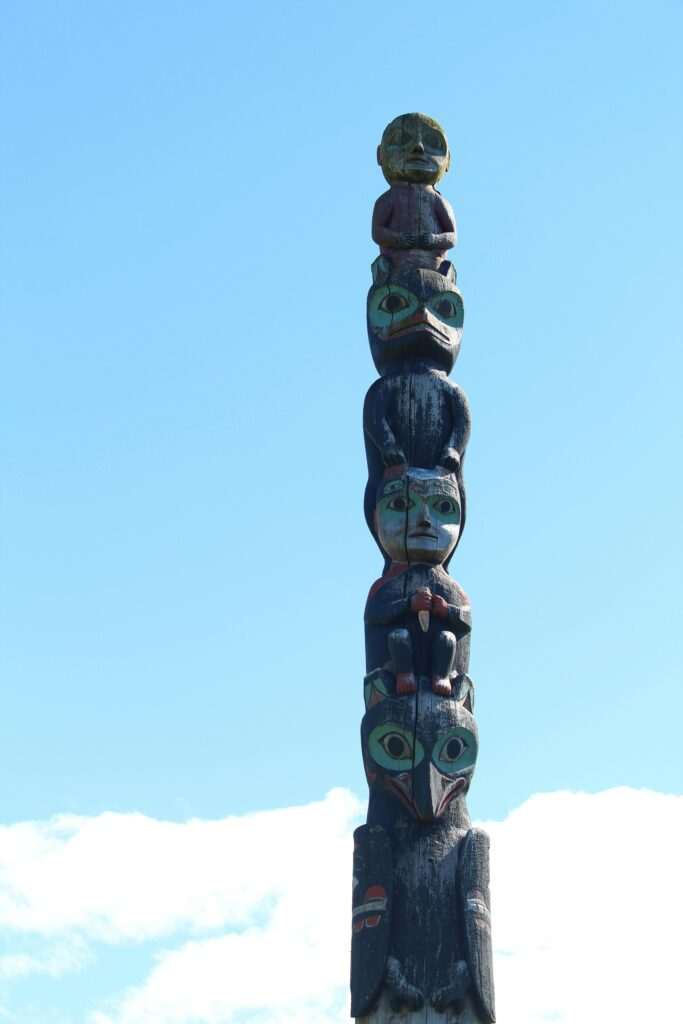
The Alaska Native Heritage Center sits about 7 miles northeast of downtown Anchorage, on a 26-acre site that most visitors to the city never see. That’s a significant miss. This is the premier institution in Alaska for Alaska Native cultures — a living cultural center, not a static museum — and a visit here provides context for everything else you’ll encounter in Alaska: the art in galleries, the place names, the land management history, and the communities that have inhabited this landscape for thousands of years.
Here’s what to expect and how to plan your 2026 visit.
What the Heritage Center Is
The Alaska Native Heritage Center opened in 1999 and was conceived and built by Alaska Native people, in partnership with the state and major donors, specifically to share Native cultures on their own terms. This isn’t a colonial-era collection curated by outside observers — it’s a place where Alaska Native cultural practitioners teach, demonstrate, and interpret their own traditions for visitors.
The center represents eleven distinct Alaska Native cultures across six regional groupings: Athabascan, Yup’ik and Cup’ik, Alutiiq (Sugpiaq), Unangan/Aleut, Inupiaq and St. Lawrence Island Yupik, and the Northwest Coast and Southeast Alaskan peoples (including Tlingit, Haida, and Tsimshian). Alaska is enormously culturally diverse — these groups have different languages, different material cultures, different subsistence traditions, and different relationships with the land — and the Heritage Center is one of the few places where you can gain a meaningful introduction to that diversity in a single visit.
The Village Settings: Outdoor Cultural Sites
The outdoor portion of the Heritage Center is built around a reflecting lake, with six traditional dwelling sites representing the major cultural regions. Each site features authentic traditional structures — built using traditional materials and techniques, some with ongoing reconstruction work you can observe — and is staffed by cultural demonstrators who can speak to the traditions of their specific community.
Walking the loop around the lake takes roughly 45 minutes at a minimum, though you’ll want more time if you stop at each site and engage with the demonstrators. The lake itself is a beautiful setting, with birch trees around the perimeter and views to the Chugach Mountains.
The six village sites include:
- Athabascan: A traditional interior Alaska dwelling representing the Dena’ina and other Athabascan-speaking peoples of the interior and southcentral regions — the original inhabitants of the Anchorage area itself. The Dena’ina are the Native people whose ancestral lands include the Cook Inlet basin where Anchorage now sits.
- Yup’ik and Cup’ik: Traditional structures from the peoples of the Yukon-Kuskokwim Delta and St. Lawrence Island — the most populous Alaska Native culture, centered in Western Alaska.
- Alutiiq (Sugpiaq): Representing the coastal peoples of Prince William Sound, the Kodiak Archipelago, and the Alaska Peninsula — expert sea hunters with a rich maritime tradition.
- Unangan/Aleut: The peoples of the Aleutian Islands and Alaska Peninsula, whose ancestors have lived in one of the most remote and challenging environments on earth for over 9,000 years.
- Inupiaq and St. Lawrence Island Yupik: Arctic peoples of northern and northwestern Alaska, whose survival technologies — from skin-boat construction to ice hunting — represent extraordinary engineering adapted to extreme conditions.
- Northwest Coast and Southeast: The Tlingit, Haida, and Tsimshian peoples of Southeast Alaska, known for the most elaborately developed artistic traditions in the region — totem poles, formline design, cedar carving, and ceremonial regalia.
Traditional Demonstrations
Throughout the day, cultural demonstrators offer hands-on and observational demonstrations at both the outdoor village sites and inside the Welcome House. These vary by season and staffing but typically include:
- Tool-making and traditional crafts: Stone knapping, bone carving, sinew braiding, birchbark basketry, and similar skill demonstrations that convey how complex and precise traditional technologies actually were.
- Skin-boat building and maintenance: The construction and care of baidarkas (Alutiiq kayaks) and umiaks (open skin boats) — watercraft designs that enabled open-ocean travel and hunting for thousands of years.
- Drumming and dance: Drum-circle performances and dance demonstrations, particularly Yup’ik and Inupiaq traditional forms. These aren’t staged performances for tourists — they’re active cultural transmission, and demonstrators often explain the specific meanings and contexts of songs.
- Storytelling: Oral narrative has been the primary vehicle for cultural knowledge across Alaska Native traditions. Storytelling sessions, when scheduled, are among the most memorable experiences the center offers.
Check the Heritage Center’s website or call ahead to confirm what demonstrations are scheduled on the day of your visit — programming varies seasonally, and some demonstrations require advance booking for groups.
The Welcome House: Indoor Exhibits and Film
The Welcome House is the main indoor facility, with a theater, gallery spaces, and a gift shop. Start your visit here before heading outside — the introductory film gives essential context on the eleven cultures represented at the center and helps you understand what you’ll see at the outdoor sites.
The gallery exhibits rotate and include both historical and contemporary Alaska Native art and material culture. The center’s collection includes objects from across the state, presented with cultural context and attribution — a meaningful contrast to how Alaska Native objects were often displayed in 20th-century museum contexts.
The theater film runs approximately 20 minutes and is included with admission. It’s worth watching even if you have limited time — it will significantly enrich your understanding of the outdoor experience.
The Gift Shop: Authentic Alaska Native Art
The Heritage Center’s gift shop is one of the best sources of authentic Alaska Native art in Anchorage. All items are vetted for authenticity, and many carry the Silver Hand certification or equivalent documentation of origin. You’ll find ivory and soapstone carvings, beadwork, baskets, prints, jewelry, and books on Alaska Native cultures and history.
Prices reflect genuine craftsmanship — expect to pay more than you would at a tourist souvenir shop, because you’re buying actual art made by Alaska Native artists. The staff can speak to the specific origins of items and answer questions about individual artists.
If you’re serious about purchasing Alaska Native art during your trip, the Heritage Center shop is the most reliable starting point in the city.
Seasonal Programs and Events
The Heritage Center hosts a range of seasonal programs throughout the year:
- Summer (May–September): Peak season, with full outdoor programming, all six village sites staffed, and the most robust demonstration schedule. Most visitors come during this window.
- Alaska Federation of Natives Convention: Held annually in October in Anchorage, the AFN Convention brings together Alaska Native leaders and communities from across the state. The Heritage Center is often involved in related cultural programming during this period.
- Winter programs: The center operates year-round but with reduced outdoor programming. Winter can offer a more intimate experience, with smaller crowds and more direct access to demonstrators.
- Special events: The Heritage Center periodically hosts cultural events, performances, and educational programs tied to specific traditions or seasonal practices. Check their current calendar before your visit.
Practical Visitor Information
Location: 8800 Heritage Center Drive, Anchorage, AK 99504 — approximately 7 miles northeast of downtown, just off the Glenn Highway near the intersection with Muldoon Road.
Getting there: By car, take the Glenn Highway east from downtown and exit at Muldoon/Heritage Center Drive. Transit options exist but are limited — check current Anchorage People Mover routes if you’re traveling without a car. The drive from downtown takes about 15 minutes in normal traffic. Some tour operators in Anchorage include the Heritage Center as part of city cultural tours — if you’re already booked with a guided tour company like Get Up and Go Tours or Adventures by True North, ask whether their Anchorage orientation tours include the Heritage Center or can be combined with a visit.
Hours: Typically open daily 9am–5pm during summer season (May through September). Reduced hours in winter — check the Heritage Center’s website for current operating hours before your visit.
Admission: Adult admission is typically in the $20–$25 range; discounts for Alaska residents, seniors, children, and Alaska Native people. Free admission for Alaska Native people is Heritage Center policy — a meaningful statement of purpose.
How long to spend: Budget a minimum of 2 hours for a meaningful visit — the film, a walk around the lake, and time at several village sites. A half-day (3–4 hours) allows you to engage more deeply with demonstrations and browse the gift shop without rushing. The center is not a place to rush through.
Accessibility: The Welcome House is fully accessible. The outdoor lake loop path is paved and largely accessible, though some terrain around individual village sites may be uneven. Contact the center directly for specific accessibility needs.
Combining with Other Visits
The Heritage Center pairs naturally with other Anchorage cultural and outdoor experiences. It’s not far from the eastern trailheads that access Chugach State Park — a half-day at the center in the morning and an afternoon hike is a natural combination. The Anchorage Museum downtown has complementary Alaska history and art collections that provide additional context, though it represents a different institutional perspective.
For visitors who want to go deeper into Alaska Native cultural traditions, the Heritage Center staff can point you toward additional resources, communities, and cultural events happening during your stay.
A Note on Respect
The Heritage Center is a living cultural institution, not a theme park. The demonstrators are cultural practitioners sharing knowledge that has survived significant historical disruption — and in many cases, active suppression. Engage with respect, ask questions genuinely, and follow the guidance of staff about what’s appropriate to photograph or participate in. The center’s purpose is connection and understanding, and visitors who approach it with that intent tend to leave with something that stays with them long after the rest of the trip has faded.



No comments yet.