
Anchorage in Winter 2026: Things to Do When It’s Cold & Dark
Alaska winter has a reputation problem. Visitors picture darkness, cold, and not much else. The reality in Anchorage is more interesting: a fully functioning city with a thriving restaurant and brewery scene, world-class skiing 40 miles away, northern lights visible from the hillsides, and a calendar of events built specifically for the season. December brings roughly five and a half hours of daylight, but Alaskans don’t hibernate — they gear up. Here’s what to do in Anchorage when the temperature drops.
Skiing and Snowboarding: Alyeska Resort
Girdwood’s Alyeska Resort, 40 miles south of Anchorage, is Alaska’s largest ski area and one of the most underrated mountains in North America. The resort averages 669 inches of snow annually, runs 76 named trails across 1,610 vertical feet, and operates night skiing on select evenings — meaning lift-served skiing under the stars in a place where the aurora is sometimes visible overhead. The mountain suits all ability levels, and the tram to the Seven Glaciers restaurant is worth riding even without skis. Drive time from Anchorage is 45–60 minutes.
Nordic and Cross-Country Skiing
For groomed track skiing, Kincaid Park is the primary Anchorage destination — racing-quality classic and skate tracks maintained by the Anchorage Nordic Ski Club, lit for evening use, and the venue for the 2021 U.S. Cross Country Ski Championships. Russian Jack Springs Park offers a more casual groomed loop in the middle of the city, popular with after-work skiers. The APU Gold Mine Trail system in east Anchorage is favored by serious skiers for longer workouts. Rental equipment is available at multiple Anchorage outdoor shops.
Snowshoeing
The Chugach State Park foothills are accessible year-round on snowshoes, with the Campbell Creek Greenbelt and Near Point Trail among the most popular winter routes. Snowshoeing requires no groomed trail — any packed or untracked snow works — making it the lowest-barrier winter outdoor activity. Several Anchorage outdoor retailers rent snowshoes by the day.
Dog Sledding
Multiple operators near Anchorage offer dog sledding tours — from short introductory runs to multi-hour wilderness mushing experiences. The activity is quintessentially Alaskan and genuinely thrilling on a cold, clear day. For context: the Iditarod Trail Sled Dog Race starts in downtown Anchorage on the first Saturday of March each year, drawing thousands of spectators to watch the ceremonial start before the race moves north. Attending the Iditarod start is one of Anchorage’s great free winter events.
Northern Lights
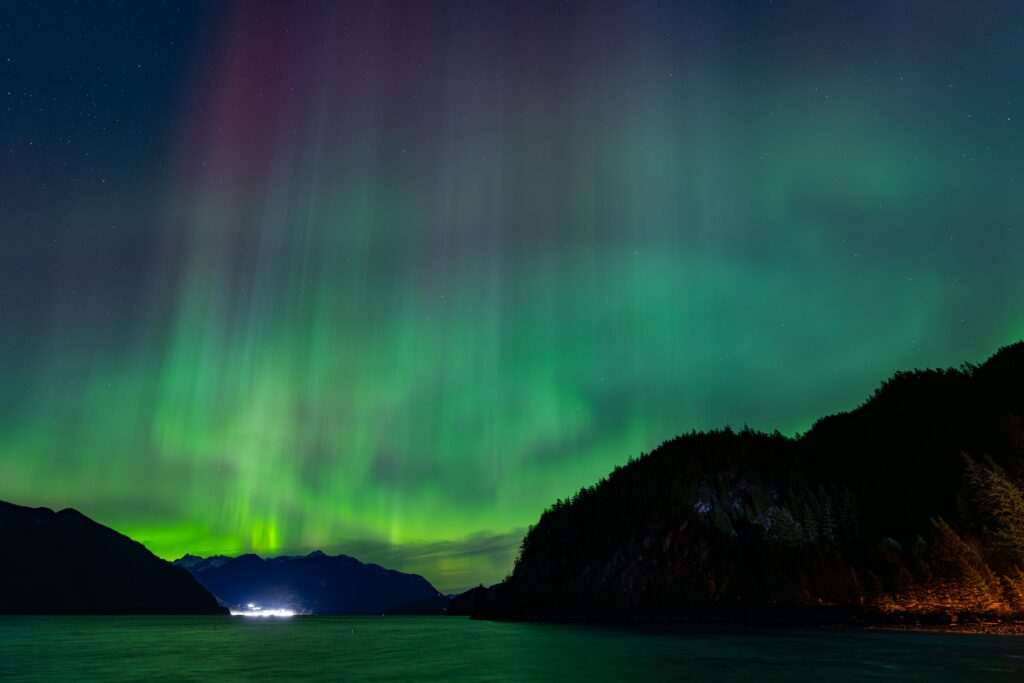
Anchorage sits at approximately 61°N latitude, placing it well within the auroral zone. Aurora season runs September through March, with peak activity in the equinox months (September–October and February–March). The city’s light pollution limits viewing from downtown, but the Chugach foothills and Hillside Drive viewpoints offer significantly darker skies within 15–20 minutes of the city center. The apps Space Weather Live and Aurora Forecast track geomagnetic activity and provide alerts for high-probability viewing nights. Clear skies and Kp index 3 or above are the targets to watch for.
Ice Skating
Westchester Lagoon freezes into a natural outdoor skating rink in winter, and the city maintains a cleared skating surface when conditions allow. It’s one of the more atmospheric skating spots in Alaska — cottonwood trees, mountain views, and typically uncrowded. For indoor skating year-round, the Dempsey Anderson Ice Arena hosts public sessions on a regular schedule.
Indoor and Cultural Activities
The Anchorage Museum and Alaska Native Heritage Center both operate in winter with reduced hours — check current schedules before visiting. The museum’s winter programming often includes events and film screenings that don’t run in summer. Anchorage’s restaurant and craft brewery scene is fully year-round; a winter evening at the Glacier BrewHouse or Bear Tooth Theatrepub is no less enjoyable than in summer.
Fur Rendezvous Festival
The Fur Rendezvous (locally: Fur Rondy) is Anchorage’s biggest winter festival, running for roughly ten days in February. The centerpiece is the World Championship Sled Dog Sprint Race — three days of racing through downtown Anchorage streets — alongside a carnival midway, the Running of the Reindeer (think Pamplona, but with reindeer and parkas), outhouse races, fur auctions, and live music. It’s a genuinely Alaskan celebration, loud and irreverent, and one of the best arguments for visiting Anchorage in winter.
Practical Tips for Winter Visitors
- Layers are everything: Base layer (merino wool or synthetic), insulating mid-layer, windproof and waterproof shell. Cotton kills warmth when wet — avoid it.
- Foot traction: Anchorage sidewalks ice over from November through April. Yaktrax or similar spike-over-boot traction devices are worth packing or buying locally.
- Driving: Studded tires are legal November 1 through April 15. Rental cars in winter should have all-season or snow tires; confirm before leaving the lot.
- Hand warmers: Inexpensive and invaluable for extended outdoor time. Available at any Anchorage outdoor or sporting goods store.
- Daylight: Sunrise around 10 a.m. and sunset around 3:30 p.m. in December. Plan outdoor activities around that window; northern lights viewing starts when it’s fully dark.


No comments yet.