
Alaska Fishing License Guide 2026: How to Fish Legally & Where to Start Near Anchorage
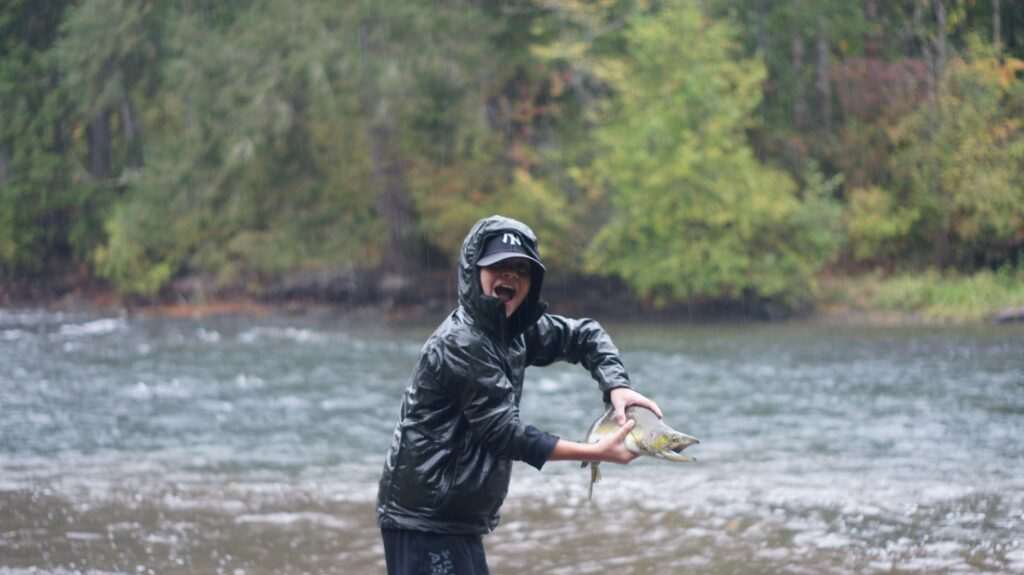
Alaska fishing is genuinely world-class — but the licensing system, stamp requirements, and annual regulation changes catch a lot of visiting anglers off guard. Getting this right before you show up means you can focus on fishing instead of paperwork. Here’s what you actually need to know.
Alaska Fishing License Types
Non-resident anglers need a Sport Fishing License from the Alaska Department of Fish and Game (ADF&G). License options for non-residents include:
- 1-day: $25
- 3-day: $45
- 7-day: $65
- 14-day: $100
- Annual: $145
These prices are approximate and updated annually — always verify current fees at the ADF&G website (adfg.alaska.gov) before purchasing.
King Salmon Stamp
If you plan to fish for king salmon (Chinook), you’ll need an additional King Salmon Stamp — currently $20 for non-residents per year, covering up to two kings. King salmon fishing in Alaska is tightly regulated due to stock conservation concerns, so the stamp requirement applies broadly regardless of which river or inlet you’re fishing.
Additional Stamps and Endorsements
Depending on where and what you’re fishing:
- Halibut Charter Stamp: Required if you’re fishing halibut from a charter vessel. Your charter operator will clarify requirements when you book.
- Personal Use Fishing Permit: Separate from sport fishing, this covers personal use dipnetting (like the Kenai River dipnetting open to Alaska residents only — non-residents are excluded from this specific fishery).
Where to Buy Your License
The easiest option is purchasing online through the ADF&G licensing portal before you arrive in Alaska — you can print or save your license to your phone. If you forget to do it in advance, Anchorage has multiple retail options:
- Sportsman’s Warehouse (Dimond Center area) — full selection of licenses and stamps, plus tackle
- REI Anchorage — licenses available at the service desk
- Fred Meyer and some Walmart locations — sporting goods sections often sell licenses
- Many local tackle shops — neighborhood fishing shops typically sell licenses and can advise on current conditions
Whatever you do, don’t show up at a remote river or charter vessel without a valid license. Enforcement is real, and fines are steep.
Understanding the Regulations
Alaska fishing regulations are complex, species-specific, and updated annually. The ADF&G publishes a detailed Sport Fishing Regulation Summary each year — available free at license vendors and online. Key things to understand for common Anchorage-area fisheries:
King salmon (Chinook): Bag and possession limits are strict and often change in-season based on run assessments. Some rivers have emergency closures. Always check the current regulations for the specific drainage you’re fishing, not just the general rule.
Sockeye salmon (red salmon): The Kenai River dipnetting fishery is Alaska residents-only. Sport fishing for sockeyes in accessible rivers near Anchorage (like the Russian River and Kenai River sport fish sections) follows standard bag limits — typically 3 per day, 6 in possession, but verify for the current season.
Halibut: Regulated by the federal government (NMFS) rather than the state. Charter operators in Cook Inlet work under an IFQ (individual fishing quota) system — your charter boat’s allocation determines how many halibut can be harvested. A typical Cook Inlet halibut charter allows 2 fish per angler within daily/possession limits.
Rainbow trout: Many streams near Anchorage have catch-and-release-only rules for rainbow trout. Some allow retention of specific sizes. Read the specific drainage regulations carefully.
Best Spots Near Anchorage Without a Guide
Ship Creek runs through downtown Anchorage and hosts a king salmon run in late spring and early summer that’s remarkable for its urban setting. You can fish from the banks within walking distance of the convention center and downtown hotels. Gear rentals and a tackle shop operate seasonally right at the creek. When kings are running, the fishing pressure is intense and the atmosphere is a uniquely Alaskan spectacle.
Bird Creek (about 25 miles south of Anchorage on the Seward Highway) is one of the best accessible pink salmon fisheries in the state when the pinks run in July and August. Pink salmon run in odd years at much higher abundance — 2025 and 2027 will be particularly productive years for pinks at Bird Creek. The technique is simple enough for beginners and the action can be fast when fish are present.
Eklutna Tailrace, north of Anchorage near the Eklutna powerhouse, produces rainbow trout and occasionally sockeye salmon. It’s a walk-in fishery with a loyal local following.
When a Charter Is Worth It
Guided charters make sense in specific situations:
Halibut fishing in Cook Inlet or offshore: The fish are in deep water, the tides are extreme, and getting to productive grounds requires a boat, local knowledge, and safety equipment. Cook Inlet Charters and Alaska Fish On Charters are among the established operators running halibut trips from the Homer and Seward ports.
Remote salmon rivers: If you want to fish the Kenai, Kasilof, or specific backcountry rivers where regulations are complex and access requires a drift boat or jetboat, a guided trip with Alaska Fishing Adventures or similar operators gets you onto fish while handling the logistics.
First-time visitors: A half-day guided trip early in your Alaska visit teaches you local techniques, conditions, and etiquette that make the rest of your independent fishing more productive.
Annual Regulation Updates
Alaska fishing regulations genuinely change every year — sometimes dramatically. Emergency orders can close a fishery mid-season based on run returns. The ADF&G website posts updates in real time. Before you fish any specific drainage, check the current emergency orders for that drainage in addition to the base regulation booklet. This is especially important for king salmon, which have faced significant conservation pressures in recent years.
The phone number for ADF&G’s sportfish information line for Southcentral Alaska is worth having saved — they can confirm current conditions and any emergency orders by drainage when you call the morning of a planned fishing trip.
Alaska fishing rewards anglers who do the homework. With a valid license, the right stamps, and current regulation knowledge, the fishing that’s accessible from Anchorage is genuinely extraordinary.


No comments yet.