
Alaska Cruise from Anchorage 2026 — Seward & Whittier Embarkation Guide
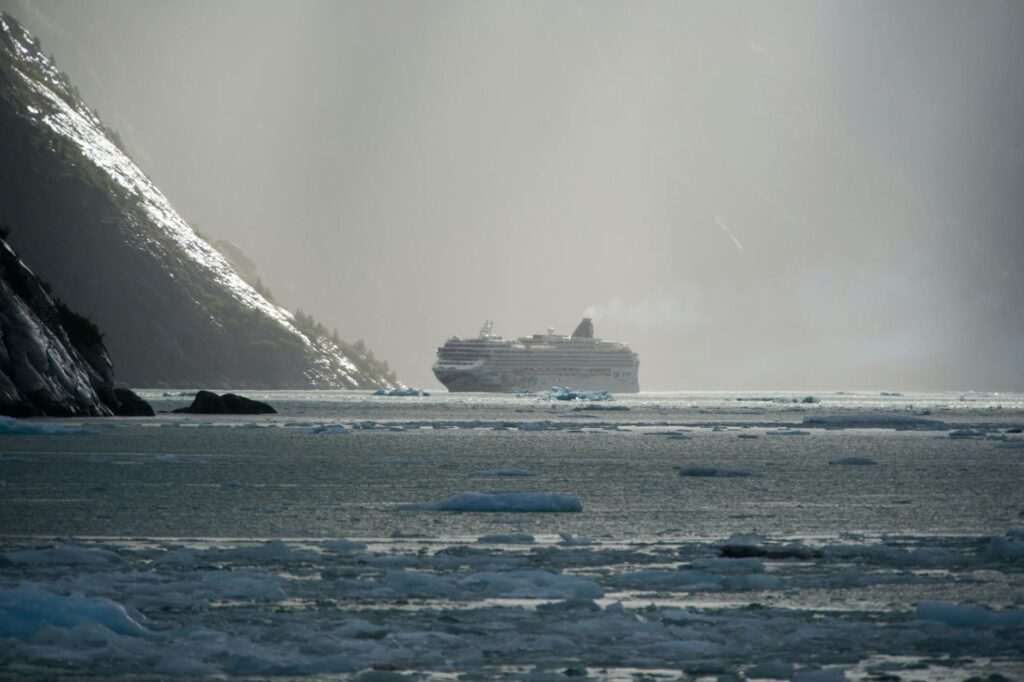
If you’ve booked an Alaska cruise and your flight lands in Anchorage, you’re exactly where you need to be — but your ship isn’t there. Anchorage doesn’t have a cruise port. The city is Alaska’s air gateway, and the ports that serve Gulf of Alaska itineraries are Seward and Whittier, both south of the city on the Kenai Peninsula. Understanding this geography is the key to planning a seamless Alaska cruise trip in 2026.
The Two Ports: Seward and Whittier
Seward — 127 Miles South
Seward is the primary cruise port for large-ship Alaska sailings. Princess Cruises, Holland America, Celebrity, and Norwegian all dock at Resurrection Bay, where the scenery alone makes the transfer worthwhile — the bay is framed by steep glaciated peaks, and wildlife sightings (sea otters, harbor seals, orcas) are common right from the dock. The drive from Anchorage takes roughly 2.5 hours on the Seward Highway, one of America’s most scenic roads, skirting Turnagain Arm and climbing through the Kenai Mountains.
For travelers who prefer not to drive, the Alaska Railroad Coastal Classic offers one of the great train journeys in North America — 4.5 hours from Anchorage’s downtown depot to Seward’s waterfront, through terrain that’s simply not visible from the road. Motorcoach transfers are also widely available through cruise lines and independent operators and are the most economical option. If you want flexibility, consider renting a car in Anchorage for the drive and dropping it in Seward.
Whittier — 60 Miles South
Whittier serves smaller ships, expedition cruises, and some Prince William Sound sailings. Access requires passing through the Anton Anderson Memorial Tunnel — a 2.5-mile single-bore tunnel shared by road and rail that opens on a timed schedule. The tunnel makes Whittier logistically unusual but the approach is genuinely dramatic. The Portage Glacier area sits just east of the tunnel entrance and is worth a stop if you have time. Prince William Sound Kayak Center in Whittier can arrange pre- or post-cruise paddle excursions into the Sound if you want to experience the fjords from the water.
Popular Alaska Cruise Itineraries from the Anchorage Area
Round-trip Gulf of Alaska (7 nights from Seward): The classic Alaskan cruise — Seward to Hubbard Glacier, Juneau, Skagway, and Ketchikan, then back. Hubbard Glacier is the most dramatic active tidewater glacier accessible by large ship; watching calving ice from the deck is a signature Alaska experience.
One-way southbound Inside Passage (7 nights): Seward to Vancouver (or Seattle), threading the Inside Passage with stops in the same southeast Alaska ports. These are “cruise-tour” itineraries — typically paired with pre-cruise time on the Kenai Peninsula or interior Alaska by rail and motorcoach before boarding in Seward.
Prince William Sound expedition (3–7 nights from Whittier): Smaller ship itineraries that go deep into Prince William Sound — Columbia Glacier, Harriman Fjord, remote anchorages accessible only to boats under a certain size. These are more intimate and wildlife-focused than the large-ship sailings.
Before Your Cruise: What to Do in Anchorage
Most Alaska cruise itineraries recommend arriving in Anchorage one to two nights before embarkation. That’s not padding — it’s genuine buffer against flight delays, and Anchorage rewards an extra day or two.
The Anchorage Museum is the best single use of a half-day: the Alaska Gallery tells the full story of the state’s human and natural history, the Smithsonian Arctic Studies Center is world-class, and the contemporary art wing covers Alaska’s modern creative culture. Plan two to three hours minimum.
The Tony Knowles Coastal Trail runs 11 miles along Cook Inlet from downtown Anchorage — accessible within walking distance of most downtown hotels, flat enough for any fitness level, and one of the best urban walks in the country. On clear days the views of Denali and the Alaska Range across the inlet are extraordinary. Bring binoculars.
For dinner before your cruise, Anchorage’s dining scene is better than most visitors expect. The Ship Creek area downtown has several newer restaurants, and the midtown corridor has options ranging from excellent sushi (New Sagaya) to Alaskan brewpub dining (Glacier Brewhouse). If you want to eat king crab or fresh wild salmon before boarding, this is the time to do it — prices and quality in Anchorage are hard to beat.
Day Trips Between Anchorage and Seward
If you have a full day before embarkation, a day trip to Kenai Fjords National Park from Seward — combined with the scenic drive there — is one of the best things you can do in Alaska. Major Marine Tours runs glacier and wildlife cruises from Seward’s Small Boat Harbor into Kenai Fjords. You’ll see sea otters, Steller sea lions, puffins, and potentially humpback or orca whales, all framed by glaciers descending from the Harding Icefield. It’s a preview of what the larger cruise ship sees — but on a more intimate vessel, with naturalist narration.
Best Season for Alaska Cruises
Alaska cruise season runs May through September, with peak sailings in June, July, and August. May and September offer smaller crowds, lower prices, and different wildlife activity — late May has excellent whale sightings as humpbacks return from Hawaiian wintering grounds; early September can see aurora activity if you’re sailing the Inside Passage at night.
Summer solstice (late June) means near-constant daylight — disorienting but magical. Pack a sleep mask. The long light is one of Alaska’s most distinctive experiences, and it makes evening deck time particularly rewarding.
Practical Planning Notes
- Flight timing: Ted Stevens Anchorage International Airport is the standard entry point. Book flights to arrive by early afternoon at the latest on your pre-cruise day to leave room for delays.
- Hotel location: Downtown Anchorage hotels put you closest to the Museum, the Coastal Trail, and the Alaska Railroad depot. Airport hotels are convenient but removed from the city’s best areas.
- Transfer booking: Your cruise line will offer motorcoach transfers to Seward — convenient but inflexible. The Alaska Railroad is more scenic and can be booked independently. Renting a car gives the most flexibility for stopping along the way.
- Luggage logistics: Most cruise lines offer luggage forwarding from Anchorage hotels directly to the ship. Use it. Traveling light on the transfer means you can stop at Portage or Turnagain Arm without managing bags.
Alaska cruises are among the world’s great itineraries. The Anchorage gateway adds a dimension that Caribbean or European cruises can’t offer — days of genuine wilderness travel before you even step on the ship.
Featured photo by Fernando B M on Pexels.



No comments yet.