Alaska Brown Bear Viewing 2026: Katmai, McNeil River & the Best Guided Experiences
Alaska’s brown bears are among the most sought-after wildlife encounters on earth — and the state offers access to the highest densities of habituated, viewable brown bears found anywhere. But this is not a passive wildlife watching experience. Getting to Alaska’s premier bear viewing destinations requires fly-in access, advance permits, and in most cases guided oversight. The planning investment is significant; so is the payoff. Standing on a platform at Brooks Falls watching bears catch 30-pound sockeye mid-leap, or observing a family group feed along the Lake Clark shoreline, is a category of experience that cannot be replicated at a zoo or approximated by any other destination. This guide covers the three premier brown bear viewing locations in Alaska, how to access them from Anchorage, and what to expect when you arrive.
Katmai National Park: Brooks Camp & Brooks Falls
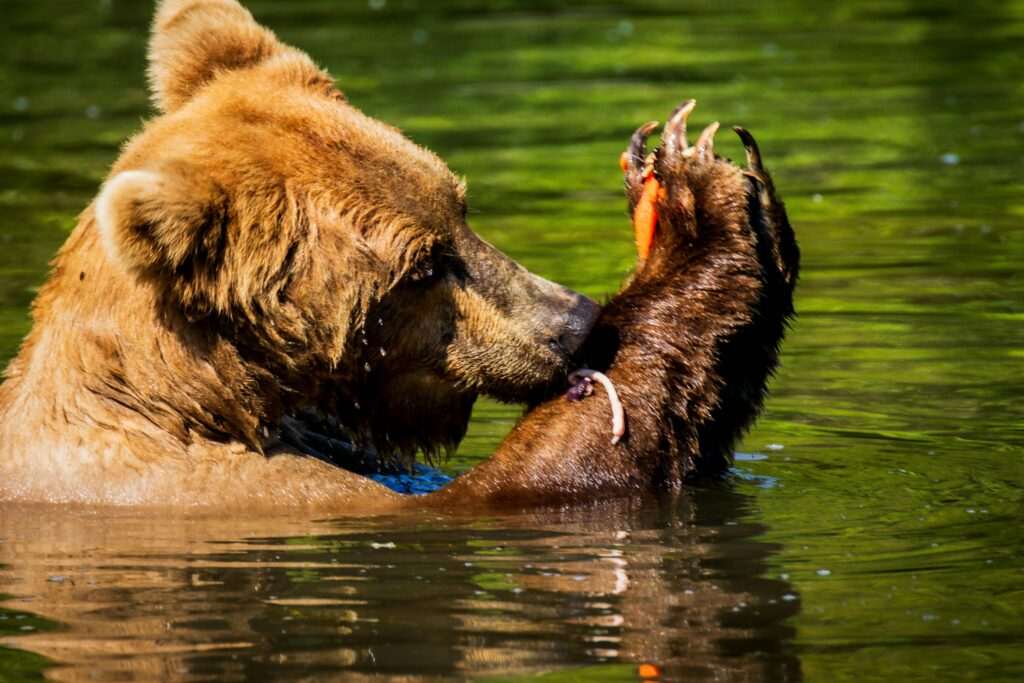
Brooks Falls, inside Katmai National Park, is the most famous brown bear viewing location in the world. The falls sit at the outlet of Naknek Lake, where sockeye salmon return in large numbers twice each season — a July run and a September run. Bears congregate at the falls lip, catching airborne salmon, and in the lower river shallows. The National Park Service maintains elevated viewing platforms at both locations, limiting the number of visitors on each platform to prevent overcrowding and disturbance.
Access is exclusively by floatplane or wheeled aircraft. Most visitors fly from Anchorage to King Salmon (about an hour by commercial jet) and then take a small floatplane to Brooks Camp — typically a 30-minute flight over stunning lake and tundra terrain. Alternatively, floatplane operators including Rust’s Flying Service offer direct fly-in packages from Anchorage’s Lake Hood Seaplane Base, the largest floatplane base in the world, connecting visitors directly to remote wilderness destinations without the commercial flight leg.
A National Park Service visitor use fee applies at Brooks Camp, and during peak July viewing, same-day visitors are added to a walk-up waiting list for platform access. For guaranteed viewing without the wait, overnight campers and lodge guests receive priority platform access. Brooks Camp Lodge operates an in-park lodge with cabin accommodations; booking typically opens in January for that summer’s season and fills within hours.
McNeil River State Game Sanctuary
McNeil River is not a national park, and it is not open to the general public. It is a state-managed sanctuary with a strict permit lottery system administered by the Alaska Department of Fish and Game — and it holds the highest documented concentration of brown bears in the world during the peak chum salmon run in July and early August. Permit holders access the sanctuary exclusively with licensed guides; no independent visitation is allowed.
The lottery for McNeil River permits opens in February each year. Approximately 250 permits are issued for the July period, the most productive viewing window, with smaller allocations for May/June and August. The four-day guided experience includes transportation to and from the sanctuary’s airstrip, guided walks to the falls viewing area, and expert interpretation of bear behavior. Because visitor numbers are controlled and human presence at the falls is consistent and non-threatening, the bears at McNeil are among the most habituated in the world — meaning they behave naturally within close proximity of observers without alarm.
For applicants who don’t win the lottery, a small number of additional day permits are sometimes available. The permit fee covers guide services within the sanctuary but not transportation, which requires a floatplane charter from Homer or Anchorage.
Lake Clark National Park
Lake Clark National Park offers a fundamentally different brown bear experience from Katmai. Instead of salmon-run congregations at falls, Lake Clark’s coastal bears are most visible along the wide, grassy beaches and tidal flats of Chinitna Bay and the Silver Salmon Creek area. In late summer and fall, these same bears shift to focused feeding on silver salmon in the creek systems. The terrain is dramatic: the park sits where the Alaska Range meets the Pacific coast, with glaciers and volcanic peaks framing the landscape behind the bears.
There are no roads into Lake Clark National Park. Every visitor arrives by floatplane, typically from Homer, Kenai, or Anchorage. Several small wilderness lodges operate within or adjacent to the park, including Silver Salmon Creek Lodge, which offers overnight packages that position guests directly in the middle of the bear viewing terrain. Lodge-based programs include daily guided walks along the coast and creek, with guides leading groups through established routes where coastal bear encounters are reliably productive. This is the most comfortable and logistically complete option — and the most expensive, with multi-day packages typically starting above $1,500 per person.
Getting There: Fly-In Logistics from Anchorage
All three destinations require floatplane or chartered air access. From Anchorage, the primary departure point is Lake Hood Seaplane Base, adjacent to Ted Stevens Anchorage International Airport — the busiest floatplane base in the world by operations. Multiple operators run summer bear viewing packages originating from Anchorage. Fly times range from 30 minutes to Katmai’s staging points to 60–90 minutes to the Lake Clark coast, depending on routing and aircraft type.
The logistics vary significantly by destination. Katmai packages can be single-day fly-in round trips (depart Anchorage in the morning, view bears for 4-5 hours, return by evening), though overnight stays dramatically improve the quality of viewing. McNeil River is exclusively multi-day due to permit requirements. Lake Clark is most productive as a 2–3 night stay to experience multiple tidal cycles and both beach and creek environments. Local general tour operators like Get Up And Go Tours can help connect visitors with appropriate fly-in packages and coordinate ground logistics in Anchorage before departure.
Peak Season Timing
The peak viewing windows are defined by salmon runs. July is the premier month across all three destinations: the sockeye run at Brooks Falls creates extraordinary concentration, the McNeil River chum run peaks, and coastal bears at Lake Clark are active and visible. For visitors who can only choose one window, July 10–25 is consistently the highest-density period across all sites.
September offers a second strong window, particularly at Katmai, where the silver salmon run brings bears back to the falls in large numbers and the animals are in active hyperphagia — intense feeding before denning — making behavior highly concentrated and visible. Fall also brings better weather odds than July, with more stable high-pressure systems and clearer skies for photography.
Bear Behavior & Safety Briefings
All organized bear viewing at these locations involves pre-visit safety orientation. The briefings cover behavior recognition — how to read ears, posture, and vocalizations to anticipate bear movement — as well as group conduct protocols: no sudden movement, no direct eye contact, maintaining minimum viewing distances, and the specific rules for each platform or viewing area. These are not token safety notices; they represent the operational framework that has allowed hundreds of thousands of visitors to observe brown bears at close range without incident.
Bears at habituated sites have learned that humans at viewing areas are neutral, non-threatening, and not competitors for food. That habituation is maintained by consistent guide presence and strict enforcement of visitor behavior standards. Deviating from guide instructions — even briefly — risks disrupting the habituated relationship that makes these experiences possible.
Photography for Brown Bear Portraits
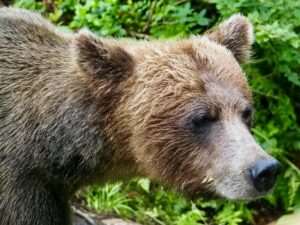
Brown bear photography at Alaska’s premier sites is among the most productive wildlife photography on earth in terms of image quality per hour of shooting. The bears are close, their behavior is active, and the salmon-catching sequences at Brooks Falls produce dramatic frames that simply aren’t achievable elsewhere. For the falls, a 400–500mm lens captures both tight bear portraits and the moment-of-catch sequences. A 70–200mm works well at sites where bears feed on the riverbank within 15–30 meters. Weather-sealed bodies are essential, as coastal Alaska conditions include spray, rain, and occasionally blowing sediment at beach sites.
The Alaska Wildlife Conservation Center, located 45 miles south of Anchorage on the Seward Highway, provides an accessible alternative for photographers who want to prepare for the fly-in experience or whose schedule doesn’t allow the full trip. The center maintains resident brown bears in large naturalistic habitats, allowing close photography practice in predictable conditions before encountering wild bears at platform distances.
Budget Ranges by Location
The cost structure varies significantly across the three destinations. Katmai is the most accessible budget entry point: the National Park entrance fee covers platform access, and fly-in round trips from Anchorage start around $650–$800 per person. Budget-conscious travelers can combine the NPS walk-up platform with camping at Brooks Campground (reservation required) for a total Katmai experience in the $800–$1,200 range. McNeil River lottery permits are modest in cost, but mandatory guide services and charter air access bring the four-day package to $2,000–$3,500. Lake Clark wilderness lodges run $2,500–$5,000+ per person for multi-day all-inclusive packages. For most visitors, Katmai’s July window via a fly-in from Anchorage provides the best combination of access, viewing quality, and value.
Photo: Lamont Mead / Pexels
No comments yet.