Accessible & Adaptive Activities in Anchorage 2026: Sports, Trails & Adventures for All Abilities
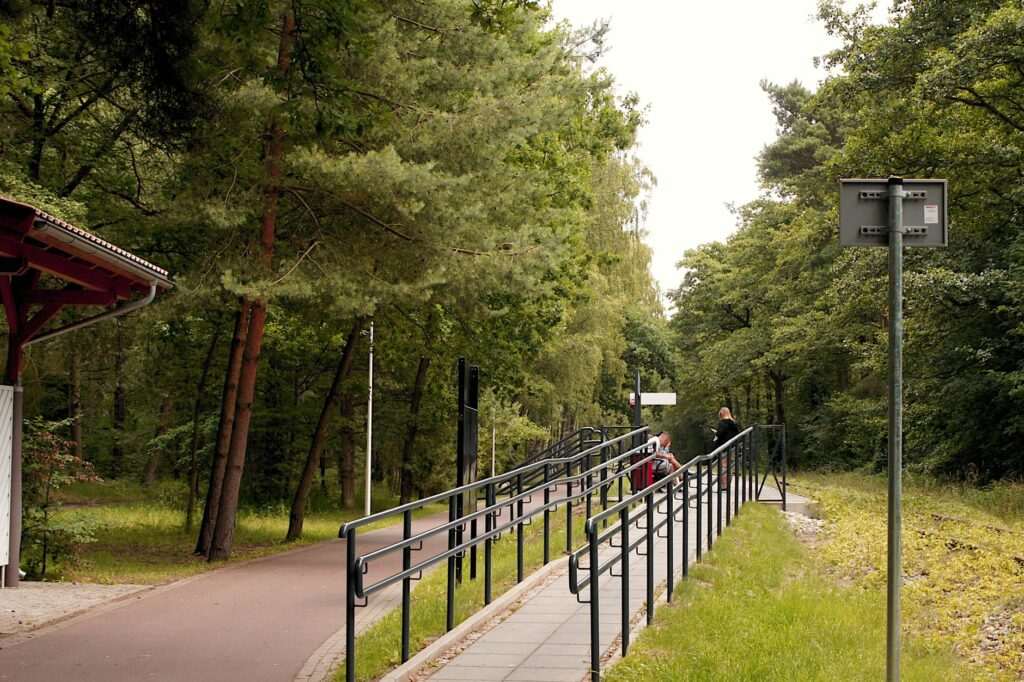
Anchorage sits at the center of one of the most accessible outdoor recreation networks in Alaska — a city where 11 miles of paved coastal trail run alongside Cook Inlet, barrier-free wildlife boardwalks overlook salmon streams and shorebird habitat, ADA fishing platforms reach Southcentral salmon runs, and Alaska’s premier ski resort operates a nationally recognized adaptive sports program forty minutes south of the city. For visitors with physical disabilities, mobility impairments, or adaptive equipment needs, Anchorage offers a depth of accessible outdoor experience that surprises most first-time visitors. This guide covers the key accessible trails, adaptive sports programs, wildlife viewing sites, fishing platforms, and support organizations available to visitors of all abilities in the Anchorage area in 2026.
Accessible Trails in and Around Anchorage
The Tony Knowles Coastal Trail represents Anchorage’s most significant accessible outdoor corridor. This 11-mile paved multi-use trail follows the Cook Inlet shoreline from downtown Anchorage to Kincaid Park, with Denali visible across the water on clear days and consistent flat grades throughout most of its length. Entry points at Elderberry Park (downtown), Westchester Lagoon, and Point Woronzof all provide ADA-accessible parking and paved surface access. The trail surface is maintained and manageable for wheelchair users, handcyclists, and adaptive mobility devices throughout the summer season.
Chester Creek Trail offers a second paved urban corridor running east from the Coastal Trail into midtown Anchorage, following Chester Creek through a greenway with accessible parking at multiple points. The grade is consistent and low — appropriate for power wheelchairs and manual chairs alike. Moose sightings along Chester Creek are common in early morning and evening hours.
Earthquake Park, at the north end of the Coastal Trail near the airport, commemorates the 1964 Good Friday Earthquake with interpretive signage and paved accessible paths through the terrain deformation left by the event. The views across Knik Arm toward the Alaska Range are among the best in the Anchorage urban area and accessible via paved surface from accessible parking at the park entrance.
Our Anchorage hiking guide covers the full range of trail options with difficulty ratings — for visitors with adaptive mobility, the guide’s lower-difficulty entries and flat multi-use paths represent the starting point for building an accessible outdoor itinerary.
Adaptive Skiing and Snowboarding at Alyeska Resort
Alyeska Resort in Girdwood — 45 miles south of Anchorage on the Seward Highway — hosts one of the most comprehensive adaptive ski programs in the Pacific Northwest through Alaska Disabled Sports (Alaska DS). The program offers adaptive skiing and snowboarding for participants with physical, cognitive, and sensory disabilities across a range of equipment formats:
- Bi-ski: A bucket seat mounted on two skis, piloted by an adaptive instructor for participants who lack the lower-body function or balance to ski independently. Suitable for most wheelchair users and individuals with significant lower limb involvement.
- Mono-ski: A single ski with bucket seat for participants with lower-body impairment and sufficient upper-body strength to edge and turn independently or semi-independently.
- Sit-ski: A low-to-ground sled design for terrain not suited to upright equipment; primarily used on beginner terrain.
- Outriggers: Forearm crutch-style poles with small ski tips for participants with balance or lower-limb challenges who stand ski but need lateral stability.
- Adaptive snowboarding: Available for participants with upper-limb amputations and certain other presentations; contact Alaska DS to assess fit.
Alaska Disabled Sports runs programs at Alyeska on Saturdays and Sundays throughout the ski season, typically December through April, with lessons available for all ability levels. Booking in advance is required — walk-up adaptive equipment is limited. Contact Alaska DS through their website (akdisabledsports.org) to arrange a session and discuss equipment fit before arrival. Our Anchorage winter activities guide covers the full Alyeska ski experience and winter planning from Anchorage, including the Girdwood drive, lodging options, and mountain conditions across the season.
Wheelchair-Accessible Wildlife Viewing
Anchorage’s most accessible wildlife viewing infrastructure centers on boardwalk and paved-platform sites that bring visitors close to birds, salmon, and in some cases brown bears without requiring off-pavement mobility.
Potter Marsh Wildlife Viewing Area
Potter Marsh, at the south end of Anchorage along the Seward Highway, offers a barrier-free elevated boardwalk stretching approximately a quarter mile over a freshwater wetland that supports nesting shorebirds, migrating waterfowl, and fall silver salmon. The boardwalk is fully accessible, level, and surfaced — manageable for power and manual wheelchairs. Viewing platforms at intervals allow wildlife photography without crowding. Potter Marsh consistently ranks as Anchorage’s most productive accessible birdwatching site, with 130+ species documented in the migration seasons. Parking at the Seward Highway pull-off is on-grade with accessible spaces.
Westchester Lagoon
Westchester Lagoon, adjacent to the Coastal Trail midway between downtown and Kincaid Park, offers accessible paved paths around the lagoon perimeter with excellent swan, duck, and shorebird viewing in spring and fall. The Coastal Trail connection at the lagoon is fully paved and flat. This site combines well with a Coastal Trail section roll or ride — accessible parking at the Westchester Lagoon parking area off W. 15th Avenue.
Alaska Wildlife Conservation Center (AWCC)
The Alaska Wildlife Conservation Center in Portage Valley, 48 miles south of Anchorage, offers a drive-through wildlife viewing option where most of the facility can be experienced from a vehicle. For visitors with significant mobility limitations, the AWCC drive-through format eliminates barriers entirely — bison, musk ox, moose, caribou, bears, and wolves can be viewed from the vehicle window. Paved pathways between some enclosures are accessible for wheelchair users who exit the vehicle. Our brown bear viewing guide covers the AWCC bears and the broader bear viewing context in Southcentral Alaska.
Accessible Fishing in Anchorage
Alaska’s salmon runs produce some of the most accessible urban fishing in North America — and Anchorage has infrastructure specifically designed for ADA fishing access.
Bird Creek Recreation Area
Bird Creek, 25 miles south of Anchorage on the Seward Highway, hosts an ADA-accessible fishing platform over the creek’s lower section during the silver salmon run (late July through September). The platform accommodates wheelchair users at railing height and provides a stable, level surface for casting. Silver salmon return to Bird Creek in substantial numbers — the ADA platform sees consistent catches during the peak run. Accessible parking and restrooms are available at the Bird Creek Campground and day-use area.
Ship Creek, Downtown Anchorage
Ship Creek runs through industrial downtown Anchorage and hosts king salmon (June), pink and chum salmon (July–August), and silver salmon (August–September) runs accessible by vehicle. The creek’s lower section near the train depot has paved shore access and relatively flat bank fishing positions that accommodate mobility equipment. A dedicated ADA fishing pier at the Ship Creek viewing platform provides elevated, stable access over the main salmon channel. A fishing license is required — nonresident licenses are available at Fred Meyer, Carrs/Safeway, and online through Alaska Department of Fish and Game (ADF&G).
Adaptive Kayaking and Water Activities
Several Anchorage-area outfitters provide kayak tours with accommodations for adaptive paddlers. Wider recreational kayaks offer greater stability for seated transfers from wheelchairs. Paddlers with upper-limb function but limited lower-body mobility often find sea kayaking accessible without modification. Prince William Sound tours, Whittier-based boat tours, and Turnagain Arm boat excursions provide water-based Alaska experiences with minimal mobility demands beyond boarding — life jackets accommodate most body types and many tours use motorized vessels accessible by gangway or lift.
Contact tour operators directly before booking to discuss specific accommodation needs. Most Anchorage-area outfitters have experience adapting boat access for guests using wheelchairs and will indicate whether a specific tour vessel has accessible boarding.
Adaptive Sports Organizations in Anchorage
- Alaska Disabled Sports (Alaska DS): The primary adaptive sports organization in Alaska, offering adaptive skiing at Alyeska, handcycling programs, and year-round adaptive sports events. Contact through akdisabledsports.org. Staff are experienced in equipment assessment and matching participants to programs.
- Alaska Therapeutic Recreation Society: Offers community-based therapeutic recreation programs and connections to adaptive outdoor programs across the Anchorage area.
- Chugach State Park Accessibility Program: The park maintains a list of accessible trails and can provide current accessibility ratings for specific routes — contact the park office before visiting for updated conditions.
The Alaska Public Lands Information Center on 4th Avenue in Anchorage maintains current accessibility information for federal and state public lands throughout Southcentral Alaska and can connect visitors with specific accommodations and accessible facilities across agencies.
Parking and Transportation
ADA parking is available at all major accessible recreation sites in the Anchorage area — Potter Marsh, Bird Creek Recreation Area, Earthquake Park, the Coastal Trail at Elderberry Park and Westchester Lagoon, and the AWCC. Surface conditions at parking areas vary seasonally; winter snow removal generally maintains ADA spaces, but gravel and uneven surfaces at some sites may challenge lightweight manual wheelchairs.
People Mover, Anchorage’s public bus system, operates ADA-accessible lift-equipped buses on all routes. The ADA Paratransit program serves riders whose disabilities prevent use of fixed-route buses — contact People Mover for eligibility and scheduling. Rideshare (Uber, Lyft) vehicles in Anchorage include accessible vehicle options; request WAV (wheelchair-accessible vehicle) through the app, though availability is limited compared to standard vehicles. For visitors who rent a car, Enterprise Rent-A-Car at Anchorage Airport provides the most convenient on-site pickup for exploring accessible recreation sites across the region — many of which, like Bird Creek, Potter Marsh, and the AWCC, require a vehicle to reach.
Free Accessible Activities
Several of Anchorage’s best accessible outdoor experiences carry no entrance fee. The Tony Knowles Coastal Trail, Earthquake Park, Chester Creek Trail, Westchester Lagoon, and Potter Marsh boardwalk are all free to access. Ship Creek salmon viewing costs nothing for observers; fishing requires only the ADF&G license. Anchorage craft workshop participants can show and sell their finished work at year-round events including the Anchorage Market & Festival, the Anchorage Native Arts & Culture Festival, and the Alaska State Fair. Our free things to do in Anchorage guide covers the full range of zero-cost Anchorage activities, many of which offer accessible entry points. For winter-focused accessible activities beyond Alyeska skiing, our snowshoeing near Anchorage guide covers groomed flat terrain options including Kincaid Park’s biathlon loop — a level, compacted snow surface accessible by some adaptive winter mobility equipment when conditions are good.


No comments yet.