
Bookbinding Workshops in Anchorage 2026
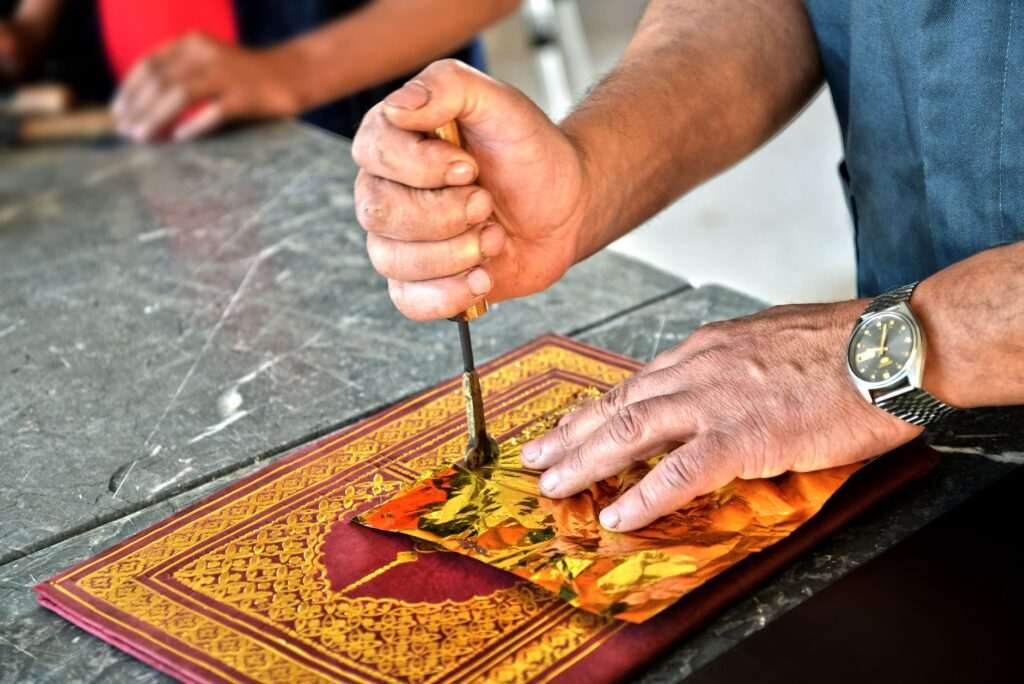
Bookbinding is one of the few crafts where the finished object is both functionally useful and structurally elegant — a well-bound journal or sketchbook, sewn by hand and covered in cloth or leather, is an object of genuine satisfaction to use and to make. The craft spans a wide range of complexity, from a three-hole pamphlet stitch completeable in fifteen minutes to a multi-signature hardcover book requiring several hours and a precise sequence of techniques. Anchorage’s craft community has found a consistent audience for bookbinding workshops among writers, artists, journal keepers, and people who simply want to make something functional with their hands. This guide covers bookbinding workshops in Anchorage in 2026, the binding structures most commonly taught, and the context of book arts in Alaska’s creative scene.
Bookbinding Structures and Techniques
The range of bookbinding structures is larger than most beginners expect. The most common formats taught in Anchorage workshops include:
- Pamphlet stitch: The simplest bookbinding technique — a single signature (folded group of pages) sewn to a cover with three to five holes. Produces a small booklet or zine. Completeable in under an hour; ideal for complete beginners or for production of multiples.
- Japanese stab binding: Sheets (rather than folded signatures) are stacked and sewn together through holes punched along the spine edge, with the thread visible on the front and back covers as a decorative element. Produces a distinctive aesthetic and a book that opens flat. Several stab binding patterns exist — the four-hole pattern is the most basic; more complex patterns (tortoiseshell, hemp leaf) require more time but produce striking results.
- Coptic stitch: One of the most elegant open-spine bindings — multiple signatures are sewn together with exposed stitching along the spine that allows the book to open completely flat. The Coptic stitch produces a flexible, durable book that’s particularly suited to sketchbooks and journals intended for heavy daily use. It’s the most technically involved structure commonly taught in Anchorage workshops but produces results that justify the added complexity.
- Case binding (hardcover): The structure of most commercially published books — a text block sewn in signatures and glued into a separate case (the rigid cover). The most complex structure, requiring precise measurements and a sequence of steps that can’t easily be rushed. Multi-day or multi-session workshop format.
Bookbinding Workshops in Anchorage
Anchorage’s bookbinding workshop landscape is active though not dense. Independent book artists — several of whom have trained in formal book arts programs — offer workshops through community studios, library programming, and private studio sessions. The Z.J. Loussac Public Library has historically hosted craft and book arts programming; check their event calendar for current offerings. The Alaska Print Makers and Book Arts community connects practitioners across the state and surfaces workshops through its social media presence.
Workshop formats typically run 2–4 hours for single-structure introductions (pamphlet stitch through Coptic) and full-day or multi-day sessions for hardcover case binding. Participants typically complete one finished book per session and leave with the tools and knowledge to continue at home. Materials are usually included in the workshop fee ($40–$80 for single-structure sessions; $100–$150 for full hardcover workshops).
Private bookbinding sessions — small group workshops for parties, retreats, or team events — are available through most Anchorage book arts instructors. The intimate, focused character of bookbinding makes it well-suited to small group experiences where everyone’s working on the same structure with individualized material choices (cover fabric, paper color, thread color) producing distinct finished objects from the same technique.
Book Arts as Creative Practice
Beyond workshops, bookbinding connects to a broader book arts tradition that includes artist books — books conceived as art objects rather than as containers for text, where the structure, material, and visual presentation are the content. Alaska’s book arts community participates in this tradition through individual artist practices, gallery exhibitions, and occasional artist book fairs. The Anchorage Museum and local galleries periodically show artist books alongside other contemporary art forms.
For writers and journal keepers, hand-binding your own notebooks provides a different relationship with the writing surface — the book itself carries the evidence of the making, which changes how you approach filling it. A hand-sewn journal has a weight and character that a purchased notebook doesn’t, and using it feels differently because of the labor and intention that went into its production. Many Anchorage writers and artists who learn bookbinding in a single workshop continue making their own notebooks for years afterward.
Materials and Home Practice
Bookbinding’s starter equipment is modest. A bone folder (for creasing paper and cloth), a bookbinding needle, waxed thread or linen thread, a cutting mat, a metal ruler, and an awl for punching holes covers the basics for pamphlet through Coptic stitch — a setup costing under $40. Covers can be made from virtually any material: book cloth (fabric backed with Japanese tissue), decorative paper, leather, or hand-marbled paper. Alaska-specific possibilities include birch bark panels for stiff covers, hand-marbled paper using Alaska-inspired color palettes, or covers printed with linocut Alaska imagery from a printmaking practice. Anchorage craft workshop participants can show and sell their finished work at year-round events including the Anchorage Market & Festival, the Anchorage Native Arts & Culture Festival, and the Alaska State Fair. Our free things to do in Anchorage guide covers the library resources and community creative spaces where Anchorage’s book arts community is most active. Our Anchorage hiking guide covers the outdoor environments that provide material inspiration for cover design and decoration in Alaska-specific book arts projects.
Photo by cottonbro studio on Pexels.




No comments yet.