
Chickaloon Village 2026: Ahtna Athabascan Culture, Heritage & Day Trip from Anchorage
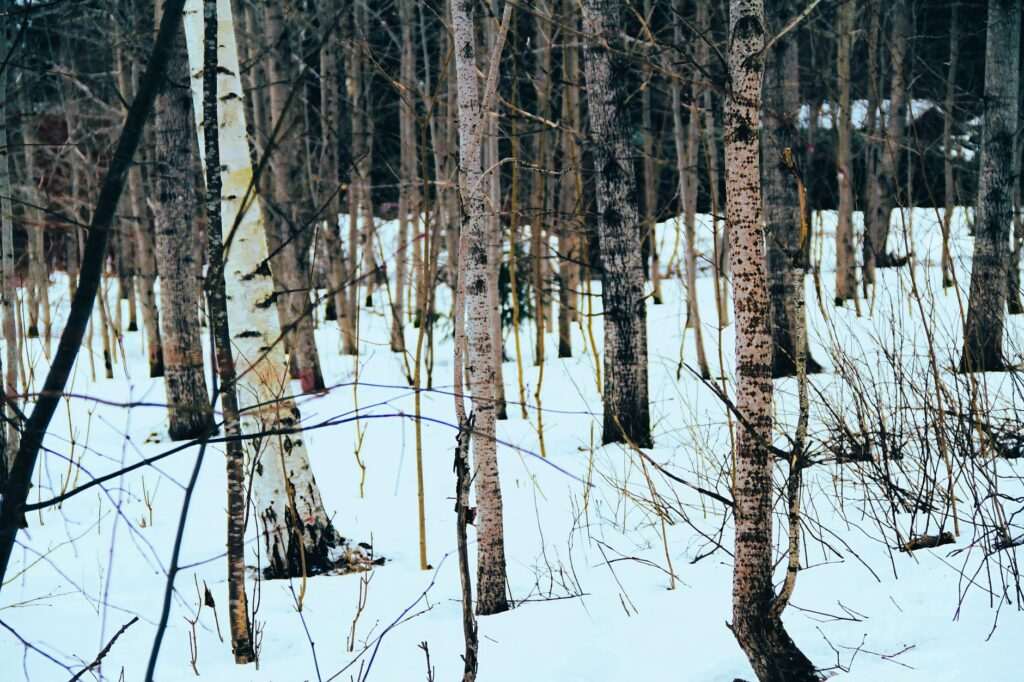
The Glenn Highway northeast of Anchorage passes through one of the most geographically dramatic corridors in Southcentral Alaska — the Matanuska-Susitna Valley, the Chugach Mountains, the glacier-carved river flats approaching the Alaska Range. At approximately Mile Marker 76, the highway also passes through the heart of Ahtna Athabascan territory: Chickaloon Village, a small federally recognized community whose Traditional Council has worked for decades to preserve and share one of the most ancient living cultures in North America. Visitors who contact the Chickaloon Village Traditional Council in advance gain access to something most Anchorage day trips never reach — a direct, community-hosted encounter with Ahtna history, land knowledge, and traditional practice through the Na-Ni’-Ii-Dtth’u (Our Land, Our People, Our Way) cultural program. This guide covers who the Ahtna people are, what visitors experience at Na-Ni’-Ii-Dtth’u, how to visit respectfully, and how to structure a Glenn Highway day trip from Anchorage that makes the Chickaloon visit the centerpiece rather than an afterthought.
The Ahtna Athabascan People: Background and Territory
The Ahtna are one of 11 distinct Alaska Native peoples belonging to the Na-Dene (Athabascan) linguistic family. Their traditional homeland spans the upper Copper River drainage — a vast area of interior Southcentral Alaska bounded by the Alaska Range to the north, the Wrangell Mountains to the east, and the Chugach Mountains to the south and west. “Ahtna” translates roughly to “ice people” in reference to the Copper River’s glacial origin.
Within Ahtna territory, the Chickaloon people — formally the Nay’dini’aa Na’ Koyis (Chickaloon Village Traditional Council) — have lived along the Matanuska River drainage and its tributaries for thousands of years. Their subsistence economy centered on salmon (the Matanuska River once supported significant king and sockeye runs), moose, caribou, Dall sheep, and the berries, medicinal plants, and other resources of the boreal and alpine landscape. Ahtna oral tradition, governance structures, clan relationships, and land knowledge represent a continuous cultural inheritance unbroken despite the disruptions of Russian contact, American settlement, and the construction of the Glenn Highway through the heart of Ahtna territory in the 1940s.
The Chickaloon Village Traditional Council received federal recognition under the Indian Reorganization Act and operates today as a sovereign tribal government. The Council manages tribal lands, cultural programs, and community services, and maintains active engagement in natural resource issues affecting the Matanuska and Susitna watersheds. Visitors to the area encounter tribal sovereignty in a practical sense: contacting the Council in advance is required, not optional, for any cultural program participation.
Na-Ni’-Ii-Dtth’u: The Cultural Village and Learning Programs
Na-Ni’-Ii-Dtth’u — “Our Land, Our People, Our Way” in Ahtna — is the Chickaloon Village Traditional Council’s flagship cultural education initiative. The program centers on land-based learning: participants engage with Ahtna traditional knowledge through activities tied to the land itself — plant identification, traditional food preparation, fishing and hunting practices, basket and tool making, and the oral traditions that encode ecological and historical knowledge across generations.
Programming at Na-Ni’-Ii-Dtth’u targets schools, universities, and organized visitor groups rather than individual walk-in tourism. The distinction matters: this is a living cultural education center operated by and for an Indigenous community, not a staged performance or museum exhibit. Visitors participate alongside tribal members who hold and transmit real knowledge. The format varies by season and group size; some programs run for a day, others extend over multiple days as immersive cultural stays.
Current programming availability changes seasonally and by demand. The most accurate information comes directly from the Chickaloon Village Traditional Council, reachable through their Chickaloon office. Visitors with specific interests — traditional plant knowledge, Ahtna language introduction, subsistence practices — should communicate those interests when inquiring, as programming can sometimes be tailored to group composition and focus areas.
Driving to Chickaloon from Anchorage
Chickaloon sits on the Glenn Highway at approximately Mile 76, northeast of Anchorage. The drive from downtown Anchorage runs roughly 90 minutes under summer conditions without traffic. The Glenn Highway corridor from Anchorage northeast passes through Eagle River, Chugach State Park boundaries, the Matanuska-Susitna Valley, Palmer, and the Matanuska River canyon — one of the most scenic highway corridors in Southcentral Alaska.
The route leaves Anchorage via the Glenn Highway (AK-1), continuing northeast past the Eagle River interchange (Mile 13) and through the Chugach foothills. Between Mile 28 and Mile 42, the highway follows the Matanuska River with views of the Chugach peaks and, in clear weather, distant Denali. Palmer appears at approximately Mile 40, marking the center of the Mat-Su Valley farming area and a logical fuel and food stop before continuing northeast toward Chickaloon. Between Palmer and Chickaloon, the terrain transitions — the valley narrows and the Glenn Highway begins climbing toward the Alaska Range foothills, with King Mountain visible from Mile 76 as a 5,809-foot peak rising directly from the river corridor.
A standard sedan handles the Glenn Highway year-round without difficulty. The road is state-maintained and plowed in winter. For winter visits, all-wheel drive provides additional confidence on the mountain sections between Palmer and Chickaloon, where temperatures drop lower than in Anchorage and overnight ice can persist into morning hours on shaded road segments. Our Glenn Highway scenic drive guide covers all major highway stops and pullouts between Anchorage and the Matanuska Glacier with current road condition notes. Enterprise Rent-A-Car at Anchorage Airport is the most convenient pickup for visitors planning a Glenn Highway day trip directly from the airport.
Combining Chickaloon with Other Glenn Highway Destinations
The Glenn Highway corridor offers several major destinations within range of a Chickaloon visit, making it natural to build a full-day or overnight itinerary around multiple stops:
Matanuska Glacier (Mile 101–102)
Alaska’s largest road-accessible glacier sits 25 miles northeast of Chickaloon. The glacier’s 27-mile length terminates at a face accessible via the Matanuska Glacier State Recreation Area and the adjacent private access road (MICA Guides operates guided ice walks). For visitors making the drive to Chickaloon, continuing another 25 minutes to the glacier is a natural extension — the two experiences offer a complementary pairing of human and geological timescales. Our Matanuska Glacier guide covers access, guided walk options, and what to expect at the glacier face across seasons.
Palmer and Colony History (Mile 40)
Palmer, 35 miles southwest of Chickaloon on the return drive, represents a different layer of the Mat-Su Valley’s history: the 1935 New Deal colony settlement that brought farm families from the Midwest to homestead the valley. The Palmer Colony House museum and the Mat-Su Colony Church occupy the original colony site. Palmer also anchors the largest annual community event in Southcentral Alaska. Our Alaska State Fair guide covers the late-August fair that takes over Palmer for 12 days each year — a natural add-on if your visit falls in the fair window.
Eklutna Lake and Chugach State Park (Mile 26)
The Eklutna Lake Recreation Area, accessible via a short spur road at approximately Mile 26, offers a different dimension of the Glenn Highway corridor — a glacial lake within Chugach State Park, flanked by mountains and served by a network of non-motorized trails. For visitors who want to add a morning paddle or hike before continuing northeast to Chickaloon, Eklutna represents a practical first stop. Our Eklutna Lake guide covers kayak rentals, trail options, and the Eklutna Village historical cemetery (Dena’ina Athabascan) at the lake access road.
Cultural Etiquette for Visiting Chickaloon
Chickaloon Village is a community, not a tourist destination. The Na-Ni’-Ii-Dtth’u program represents the Tribe’s decision to share aspects of Ahtna culture on Ahtna terms — and those terms begin with advance contact and respect for community protocols. Practical guidance for visitors:
- Contact the Tribe first, always: Programs require advance reservation. Arriving at Chickaloon without prior contact produces no cultural experience — the tribal office and cultural program area require advance scheduling — unscheduled visitors gain no access.
- Photography protocols: Ask explicitly before photographing any person, sacred object, cultural practice, or ceremonial item. The default position is to ask and accept the answer — no means no and requests for specific purposes may receive specific permissions. Photographing without permission in Indigenous communities is a serious breach of etiquette.
- Listen before speaking: Cultural transmission in Ahtna tradition flows through oral instruction and demonstration. Listen fully to what tribal members share before asking questions; the questions become more meaningful after the instruction completes.
- Support tribal artisans directly: If the opportunity arises to purchase traditional crafts, beadwork, or artwork from Ahtna artisans, do so at the asking price without negotiation. These represent hours of skilled traditional work.
- Respect sovereign territory: The Glenn Highway passes through tribal land. The community has the right to determine who enters and on what terms. Treating this with the same respect given to private land in any other context reflects accurate understanding of tribal sovereignty.
Seasonal Considerations
Na-Ni’-Ii-Dtth’u cultural programs run primarily in summer — June through August represents the peak scheduling window, when longer days and better weather support outdoor land-based activities. Some programs extend into early September. Winter programming exists but runs less frequently and focuses more on indoor cultural activities, traditional crafts, and oral tradition rather than land-based work.
The Glenn Highway to Chickaloon stays open year-round as a primary state highway. Winter driving between Anchorage and Chickaloon requires standard Alaska winter preparation: all-season or studded tires (legal through April 30 in Alaska), fuel before departure (no gas stations in Chickaloon itself), and monitoring of Alaska DOT road conditions before travel in shoulder seasons when black ice on the canyon sections forms without warning. For general Glenn Highway winter conditions and seasonal access notes, our sled dog kennel tours near Anchorage guide covers mushing experiences that complement a Chickaloon cultural visit considerations through the Chickaloon area.
Connecting to Broader Alaska Indigenous Culture Tourism
Chickaloon Village represents one node in a broader network of Alaska Native cultural experiences accessible from Anchorage. The Alaska Native Heritage Center in Anchorage provides an introduction to all 11 Alaska Native cultures — including Ahtna — through village exhibits, cultural demonstrations, and rotating programming. For visitors who want foundational context before visiting Chickaloon, a morning at the Heritage Center provides that framework. The two experiences complement rather than duplicate each other: the Heritage Center offers breadth across cultures, while Chickaloon offers depth within a specific community and landscape.
The Alaska Public Lands Information Center on 4th Avenue in Anchorage maintains contact information and program details for Indigenous cultural programs across the state and can assist visitors in identifying currently active opportunities in the Chickaloon and Glenn Highway corridor. For visitors approaching this visit within a broader commitment to responsible Alaska travel, our eco-tourism and responsible travel guide covers the principles that apply across all Indigenous and sensitive cultural encounters in Alaska.
Anchorage is the ideal starting point for Alaska travel. Visitors can get trip-planning assistance at the Alaska Public Lands Information Center, walk the Tony Knowles Coastal Trail before heading further afield, or pick up a vehicle at Enterprise Rent-A-Car Anchorage Airport for self-drive Alaska exploration.


No comments yet.