
Eklutna Lake Recreation Area 2026 — Kayaking, Camping & Trails Guide
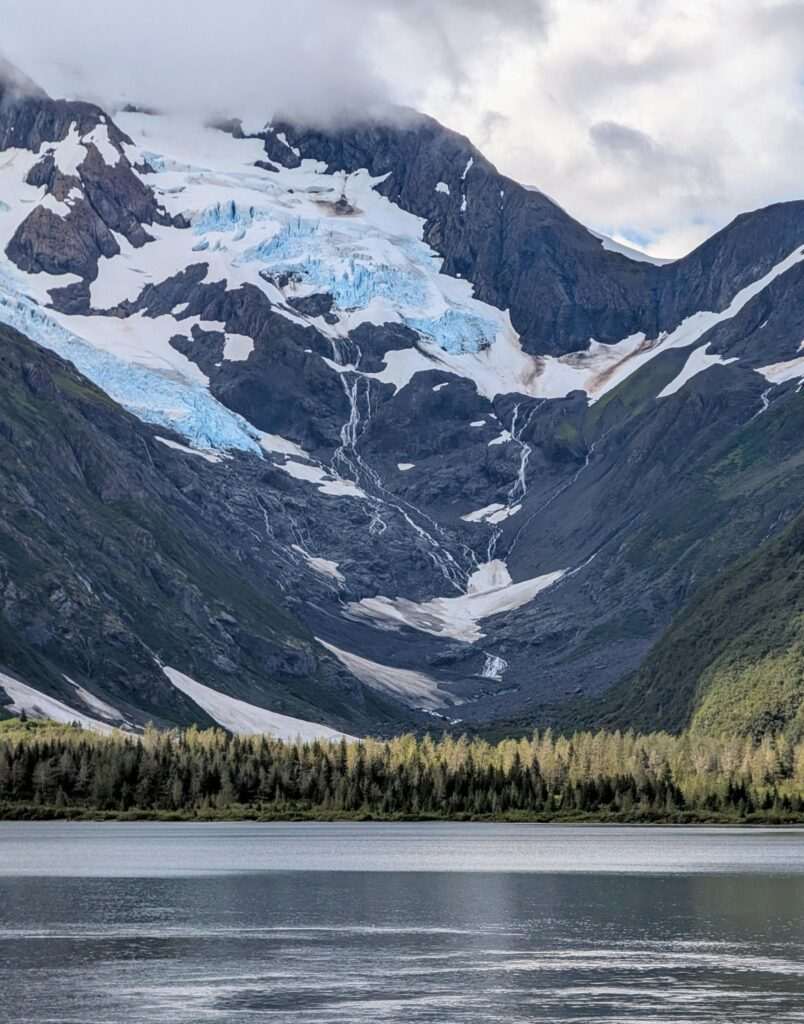
Eklutna Lake sits about 26 miles northeast of Anchorage, and on a clear summer morning the drive up the Glenn Highway ends with one of the most striking views in the region: a long glacier-fed lake framed by the Chugach Mountains, with Bold Peak rising sharply to the south and the Eklutna Glacier tucked into the valley at the far end. It’s one of the most popular summer day trips from Anchorage for good reason — you can kayak the lake before lunch, hike to a glacier viewpoint in the afternoon, and be back in the city in time for dinner. For 2026, parking fees and campground reservation systems are in place, so a little planning goes a long way.
Getting to Eklutna Lake from Anchorage
Take the Glenn Highway northeast from Anchorage toward the Mat-Su Valley. Exit at the Eklutna off-ramp (approximately mile 26), then follow Eklutna Lake Road about 10 miles to the day-use area and campground at the end. The drive takes 45–60 minutes depending on traffic and road conditions.
Eklutna Lake is part of Chugach State Park. There is a day-use parking fee of $5 per vehicle, payable at the entrance kiosk. Annual Alaska State Parks passes are accepted. The road is paved most of the way but narrows toward the end — trailers and large RVs should check current conditions before heading out. The parking lot fills up by mid-morning on summer weekends, so arriving before 9 a.m. is strongly recommended if you want a spot near the main launch area.
Before you leave Anchorage, the Visit Anchorage Log Cabin Visitor Information Center is a good stop for updated trail conditions, bear activity reports, and current park fee information. Conditions at Eklutna can change quickly depending on snowmelt and weather upstream.
Kayaking and paddleboarding on Eklutna Lake
The lake is 7 miles long and runs southeast toward the glacier, making it one of the best flatwater kayaking destinations in the Anchorage region. On calm mornings, the water is glassy and the reflections of the Chugach peaks are worth paddling out for on their own. Wind picks up in the afternoon — this is consistent — so plan your paddle for morning if possible and turn around before the wind builds from the southwest.
Kayak and stand-up paddleboard rentals are available from a concession at the lake through the summer season. Single and tandem kayaks are typically available by the hour or half-day. Rates vary by year — check the Alaska State Parks website or the concession directly for 2026 pricing before your trip. Bring your own paddle and life jacket if you have them; rental gear is serviceable but bring your own if you’re particular about fit.
The main launch area is at the day-use site near the parking lot. There’s a gravel beach that works for hand launching kayaks and SUPs. No motorized watercraft are allowed on the lake, which keeps it quiet and makes the paddling experience consistently good throughout the day.
Hiking: Eklutna Lakeside Trail and Twin Peaks
The Eklutna Lakeside Trail is the main route along the lake — a 13-mile out-and-back from the trailhead to the Eklutna Glacier at the far end of the valley. The trail is relatively flat (about 400 feet total elevation gain) and follows the south shore of the lake. Most day visitors turn around at mile 5–7, which gives you good glacier views and a taste of the high valley without committing to the full 26-mile round trip. The full route to the glacier is typically done as an overnight backpacking trip.
The Twin Peaks Trail is the strenuous alternative — a steep climb up the north side of the valley with panoramic views of the lake, the glacier, and the surrounding peaks. The summit is at about 5,000 feet elevation, and the trail gains roughly 3,500 feet in 3.5 miles. It’s a workout, but clear days at the top are spectacular. Start early and check the weather carefully; the ridge is exposed and afternoon thunderstorms can develop quickly in summer.
For visitors new to Anchorage hiking who want something easier, the Tony Knowles Coastal Trail and the Ship Creek Trail in the city offer lower-stakes alternatives before you tackle the bigger terrain at Eklutna.
Glacier views: Bold Peak and the Eklutna Glacier
You don’t have to hike to the glacier to see it. From the lake itself, on a clear day, the Eklutna Glacier is visible at the far end of the valley — a pale blue-white stripe against the grey rock of the headwall. Bold Peak (8,005 feet) dominates the southern skyline from the day-use area and is worth stopping to photograph even if you’re just passing through. The peak’s granite faces catch the alpenglow in the evening and the morning light in early summer.
For the closest non-hiking glacier view, the first 5–6 miles of the Eklutna Lakeside Trail brings you significantly closer. By mile 6, the glacier is clearly visible and the valley narrows in a way that gives you a strong sense of the scale of the terrain. Binoculars help.
Camping at Eklutna Lake
The Eklutna Lake campground has both reservable sites and first-come-first-served sites. Reservations can be made through the Alaska State Parks reservation system; for summer weekends, book as far in advance as the system allows — these sites fill fast in June and July. The campground has basic facilities: pit toilets, bear boxes (mandatory for food storage), fire rings, and water access. There are no hookups.
Walk-in tent sites near the lake provide the best setting, but they’re also the most competitive for availability. If you’re planning an overnight and can’t get a reservation, arriving Thursday evening for a weekend stay is your best bet for a first-come site. Backcountry camping along the Lakeside Trail beyond the campground is permitted with standard Leave No Trace practices; bear canisters are strongly recommended anywhere in the Eklutna drainage.
Wildlife and safety
Eklutna Lake is prime black bear and brown bear habitat, especially in late summer when salmon are running in the lower Eklutna River. Bears are active throughout the summer. Carry bear spray — have it accessible, not packed away — and make noise on the trail, particularly in brushy areas and near streams. Never leave food unattended; the bear boxes at the campground exist because bears actively patrol the area.
Moose are common along the lakeside trail and in the willow thickets near the water. Give them a wide berth; cows with calves in early summer are unpredictable. Bald eagles nest in the area and are frequently spotted soaring over the lake. Dall sheep are occasionally visible on the rocky ridges above the Twin Peaks Trail.
Water from the lake and streams looks clean but should be treated or filtered before drinking. The lake is glacier-fed and cold year-round — capsizing in a kayak requires immediate self-rescue; don’t paddle alone without cold-water experience and appropriate layering.
Day trip vs. overnight: what to bring
For a day trip, the essentials are: bear spray, layers (morning temperatures at the lake can be 15–20 degrees cooler than Anchorage), sunscreen, rain gear, a full water bottle, snacks, and a map or downloaded trail file. Even if the weather looks good when you leave, pack the rain layer. The afternoon microclimate in the Chugach can turn fast.
For an overnight, add: bear canister (if backpacking past the campground), a warm sleeping bag rated to at least 30°F for summer, a headlamp, a camp stove (campfire restrictions apply in dry years), and extra food. The Eklutna Lakeside Trail to the glacier and back is typically done in two days — 13 miles in, camp near the glacier, 13 miles out — and rewards fit hikers with one of the most impressive wild camp settings accessible from Anchorage.
How far is Eklutna Lake from Anchorage?
Eklutna Lake is approximately 26 miles northeast of downtown Anchorage via the Glenn Highway. The drive takes 45–60 minutes. Exit at Eklutna and follow Eklutna Lake Road about 10 miles to the day-use area.
Do I need a reservation for Eklutna Lake campground?
Reservable sites require advance booking through the Alaska State Parks reservation system. First-come-first-served sites are also available but fill quickly on summer weekends. For July and August, book reservable sites as early as the system allows.
Can I rent a kayak at Eklutna Lake?
Yes. A concession at the lake offers kayak and stand-up paddleboard rentals during the summer season. Bring your own gear if you prefer, as the lake allows non-motorized watercraft. Wind typically picks up in the afternoon, so plan morning paddles for the best conditions.
Are there bears at Eklutna Lake?
Yes. Both black bears and brown bears are active in the area throughout summer. Carry bear spray and keep it accessible on the trail. Use the bear boxes at the campground for all food storage. Make noise in brushy terrain and near streams.
Eklutna Lake rewards the early riser. Get there before the weekend crowds, launch a kayak before the wind picks up, hike far enough to see the glacier, and you’ll understand why this is the day trip Anchorage locals recommend most often to visitors willing to drive a little further than the city trails. It’s worth the extra 45 minutes every time.
Photo: Yuanpang Wa / Pexels
No comments yet.