
Birding Near Anchorage 2026: Best Spots & Species
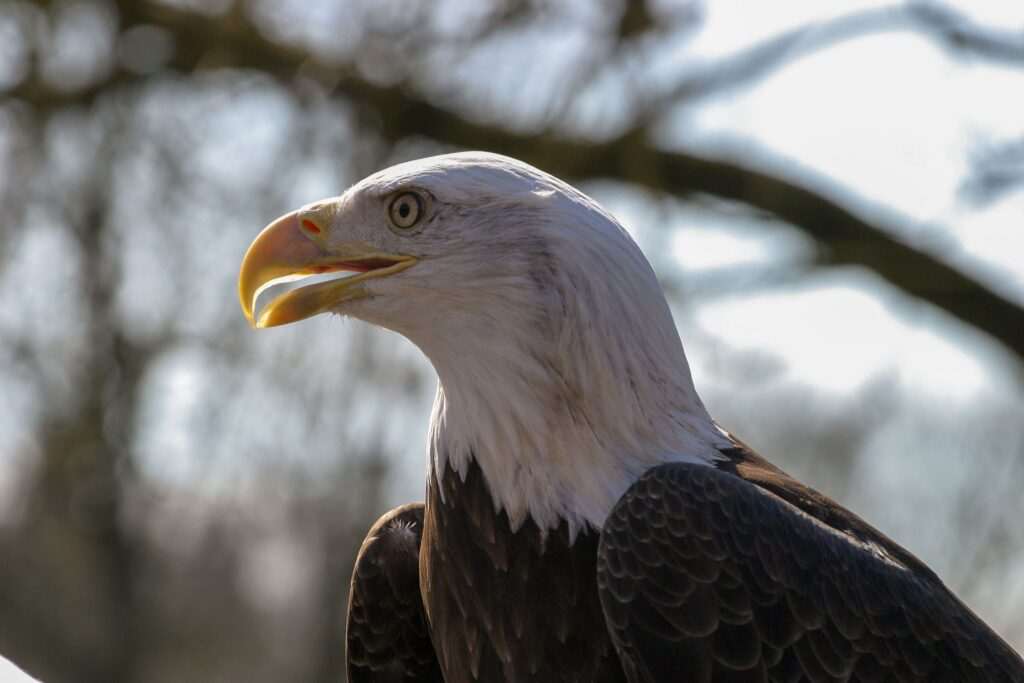
Anchorage sits at the northern end of the Pacific Flyway — one of the world’s great migratory routes — and the consequences for birding are extraordinary. More than 200 species pass through or breed in the region each year, from shorebirds staging in the tens of thousands on Turnagain Arm mudflats to breeding bald eagles, sandhill cranes, and Arctic terns within walking distance of downtown. You don’t need to travel far or book a guide. The best birding near Anchorage in 2026 is largely accessible by city roads and free to enter. Here’s where to go, what to look for, and when to go.
Potter Marsh Bird Sanctuary — The Best Single Birding Spot Near Anchorage
Potter Marsh (Mile 117.4 on the Seward Highway, about 10 miles south of downtown) is the most productive birding site in the Anchorage area and one of the best urban birding spots in North America. The marsh is a State Game Refuge, and the elevated boardwalk over the wetland puts you directly above habitat used by dozens of species throughout the summer.
From late April through September, the boardwalk regularly produces: trumpeter swans (nesting, with cygnets in June), sandhill cranes (spring and fall migration), Arctic terns (nesting April–August, aggressively defensive — they’ll dive at your head), Canada geese, pintails, American wigeons, lesser scaup, and a rotating cast of shorebirds during migration. In July and August, as shorebird migration peaks southward, the marsh edges fill with dunlins, semipalmated sandpipers, western sandpipers, and dowitchers staging before their long flights to wintering grounds.
Bald eagles are consistently present — they know the marsh produces sick and injured waterfowl. Northern harriers quarter the open ground near the marsh entrance. Bring a spotting scope if you have one; the marsh is wide enough that a 10×42 binocular leaves distant birds underresolved.
The Seward Highway pullouts north of the marsh also access tidal mudflats exposed at low tide — when the tide drops on Turnagain Arm, shorebirds concentrate on the exposed flats in numbers that can reach hundreds or thousands during peak migration. Our Turnagain Arm bore tide guide covers the tidal dynamics in detail, useful for timing your visit to catch both the shore birds and the dramatic bore tide that follows on incoming tides.
Westchester Lagoon — Waterfowl in the City
Westchester Lagoon is a freshwater impoundment in the middle of Anchorage, just west of downtown near the Tony Knowles Coastal Trail. It’s reliable for trumpeter swans and Canada geese spring through fall, and the fall gathering of waterfowl before freeze-up can include ring-necked ducks, buffleheads, goldeneyes, and scaup in good numbers. The paved trail around the lagoon makes it easy to cover all the viewing angles. It’s not a high-diversity site, but the swans are reliably spectacular, and it’s 10 minutes from downtown.
Tony Knowles Coastal Trail — Raptors and Songbirds
The 11-mile paved trail along Cook Inlet covers a good variety of habitat types: beach, coastal bluff, and spruce forest. Birding from the trail isn’t as concentrated as the marsh, but the diversity is higher because of the habitat variation. Year-round residents include black-billed magpies, common ravens, black-capped and boreal chickadees, and red-breasted nuthatches. In summer, warblers — particularly yellow-rumped and orange-crowned — fill the spruce corridors. Bald eagles perch on snags above the inlet regularly, and northern harriers and short-eared owls hunt the open coastal areas.
The trail between Earthquake Park and Point Woronzof (the western end of the main trail section) is worth birding slowly. The forest edge where spruce meets open ground is particularly productive for migrating warblers and sparrows in May and August.
Eagle River Nature Center — Forest Birding and Thrushes
The South Fork Eagle River Trail area and the Eagle River Nature Center, about 12 miles northeast of downtown in Chugach State Park, access a different set of species than the urban sites. This is forest and riparian birding: Swainson’s thrushes singing from spruce stands in June, varied thrushes in mixed forest, American dippers working the creek edge, and gray jays — bold and approachable — along the trail. Hermit thrushes, winter wrens, and wandering tattlers (a shorebird that breeds on alpine stream edges) can all be found in the right habitat with some patience.
The Albert Loop Trail (3.2 miles) covers the best habitat mix near the Nature Center. Go early morning in late May or June for peak songbird activity — thrushes and warblers are most vocal before 9 a.m. The Nature Center itself has a checklist for the area posted inside; it’s worth grabbing before heading out on the trail.
Homer for Seabirds and Shore Birding — Day Trip
Homer, about 4.5 hours south of Anchorage on the Kenai Peninsula, is a separate birding destination that warrants an overnight or long day trip for serious listers. The Homer Spit extends into Kachemak Bay and attracts a remarkable variety of shorebirds, gulls, and seabirds. The mudflats along the base of the spit are productive for dowitchers, yellowlegs, turnstones, and phalaropes during migration. The bay itself holds harlequin ducks, Barrow’s goldeneyes, marbled and Kittlitz’s murrelets, and black oystercatchers year-round.
Kachemak Bay State Park across the bay from Homer hosts tufted and horned puffins, glaucous-winged and mew gulls, and in winter, snowy owls have become regular visitors to the Homer area. The Kenai National Wildlife Refuge, an hour north of Homer, covers nearly 2 million acres of wetland and boreal forest with its own impressive species list — our Kenai National Wildlife Refuge guide covers access, best birding areas within the refuge, and the species you’re likely to encounter there. The Homer Kachemak Bay Bird Club runs guided trips and maintains local checklists; it’s worth checking their website before a Homer visit for current sighting reports.
Best Seasons for Birding Near Anchorage
- April–May (Spring Migration) — The biggest pulse of bird activity. Waterfowl arrive on Potter Marsh in late April; shorebirds begin staging on Turnagain Arm mudflats in May. Trumpeter swans are on their nests, and the first songbirds return to spruce forest. Expect cold mornings and occasional snow, but bird activity rewards early starts.
- June–July (Breeding Season) — Peak diversity and peak visibility. Arctic terns are nesting at Potter Marsh and won’t hesitate to inform you of their displeasure. Sandhill cranes are moving through in loose flocks. Thrushes and warblers are singing throughout the forest. The long daylight hours (nearly 20 hours near solstice) mean you can bird through the evening with excellent light.
- August–September (Fall Migration) — Shorebird migration peaks in August with southbound individuals stopping on Turnagain Arm flats and at Potter Marsh. Waterfowl begin gathering on Westchester Lagoon and other urban ponds. Raptors concentrate along the coast. This is prime time for spotting unusual shorebirds that drift off the main routes.
- October–March (Winter) — Harder birding with fewer species, but rewarding for the right targets. Common and hoary redpolls move through in flocks in November and December. Bohemian waxwings strip berry-laden trees in downtown Anchorage. Snowy owls appear in irruption years. Dippers and ravens are active year-round along unfrozen creek sections.
Binoculars and Gear
A 8×42 or 10×42 binocular is the standard choice for Anchorage birding. 8x gives a wider field of view — useful for marsh scanning and following birds in flight; 10x gives more magnification for the distant shorebirds on Turnagain Arm mudflats. Waterproof construction is worth paying for: Anchorage birding in May or August often involves rain or at least heavy mist, and unprotected optics fog internally. Midrange options from Vortex, Nikon, or Celestron perform well in this range without the premium price of Swarovski or Leica.
A spotting scope (20–60x zoom) is genuinely useful at Potter Marsh and on the Turnagain Arm mudflats during shorebird season — the distance between boardwalk and distant shorebird can make a significant difference in identification confidence. It’s not essential for casual birding, but listers trying to identify small sandpipers at 200 meters will want it.
Dress in layers regardless of season. A calm May morning at Potter Marsh can turn cold and windy within an hour. Waterproof footwear helps on the marsh trail edges and along creek-side trails.
Do You Need a Guide?
For Potter Marsh, Westchester Lagoon, the coastal trail, and Eagle River — no, you don’t. These are accessible public sites with good views and established checklists. A good field guide (Sibley’s Alaska edition or iBird Alaska) and a smartphone with Merlin Bird ID installed will carry you through most species you’ll encounter.
For Homer, a guided Kachemak Bay kayak or boat tour adds real value — it gets you close to puffin and murrelet colonies that are difficult to reach from shore, and a naturalist guide can provide context for the seabird behavior you’re observing. For photographers wanting specific species close-up, a few Anchorage-area wildlife guide operations run focused bird photography half-days; prices run $200–$300 per person.
The Alaska Public Lands Information Center downtown stocks bird checklists for the major Anchorage-area sites and can advise on current conditions before you head out. It’s a good first stop if you’re building an itinerary from scratch.
For diverse habitat birding within city limits, Far North Bicentennial Park is one of Anchorage’s largest green spaces and hosts a wide variety of songbirds, raptors, and waterfowl throughout the season.
Photo by Wolfgang Wendefeuer on Pexels.




No comments yet.