
Kayaking near Anchorage 2026: Eklutna Lake, Turnagain Arm & More
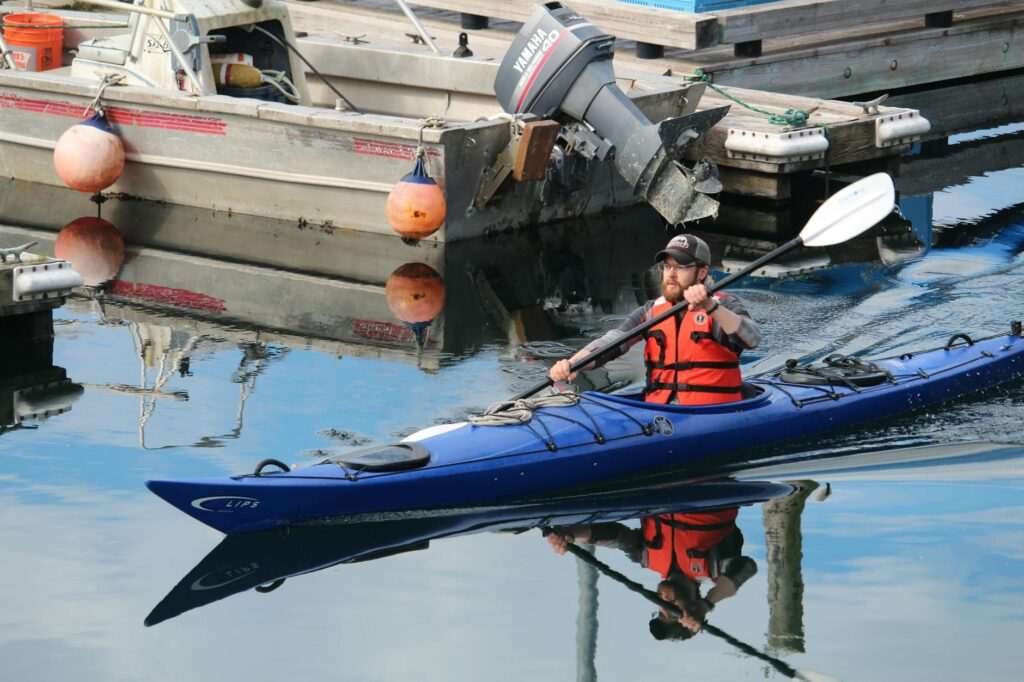
Kayaking near Anchorage covers a wide range of experiences — a turquoise glacial lake in the Chugach foothills 26 miles from the city, tidal arm sea kayaking with beluga whale potential, and guided day trips into Prince William Sound’s fjord country accessible by a short drive. The skill and commitment required varies dramatically between these options. Here’s how to match the right paddling experience to your group in 2026.
Eklutna Lake: Best for Beginners and Families
Eklutna Lake is the most accessible kayaking destination near Anchorage and the right starting point for anyone new to the sport or paddling with children. The lake sits in a glacially carved valley 26 miles northeast of Anchorage in Chugach State Park — its water is a striking turquoise from glacial silt, it’s protected from wind by the surrounding peaks, and its 7-mile length gives experienced paddlers room to explore without the hazards of tidal water. No open-water ocean skills are required.
Lifetime Adventures at Eklutna Lake operates the kayak and bike rental concession at the lake, providing single and tandem kayaks, paddleboards, and life jackets with no minimum experience required. Rates run approximately $20–40/hour or $60–90/half day depending on boat type. The Eklutna Lake campground is adjacent to the rental operation — the combination of a morning paddle, a picnic on the lakeshore, and a bike ride on the lakeside trail is one of the best structured half-days available this close to the city. Reach the lake by driving the Glenn Highway northeast from Anchorage to the Eklutna exit, then 10 miles on the Eklutna Lake Road; our Glenn Highway scenic drive guide covers the full route and other stops along the way.
Turnagain Arm: Intermediate with Tidal Awareness
Turnagain Arm is a 48-mile tidal inlet extending east from Cook Inlet, and kayaking it requires a different level of respect than a lake paddle. The arm runs one of the most extreme tidal ranges in North America — up to 38 feet between high and low tide — and the tidal bore that runs up the arm on incoming tides creates a moving wave that can surprise paddlers who haven’t timed their launch. Our whale watching in Anchorage guide covers the bore tide schedule and what to expect on the water; anyone considering a Turnagain Arm paddle should understand the tide cycle before launching.
That said, the arm is paddleable at the right tide stages, and the combination of mountain scenery, potential beluga sightings, and the remoteness of the shoreline makes it rewarding for intermediate paddlers comfortable with moving water and changing conditions. The Bird Creek area near mile 100 of the Seward Highway is the most commonly used launch point; launch and recovery timing should be planned around high tide to avoid being stranded on mudflats at low tide. The mud in Turnagain Arm is a serious hazard — it acts as quicksand at low tide and has trapped visitors. Stay in the boat and on the water during the active tide window.
Prince William Sound: Guided Day Trips
Prince William Sound, accessible via Whittier (60 miles southeast of Anchorage through the Anton Anderson Memorial Tunnel), is the premier sea kayaking destination within day-trip range of the city. The sound’s protected fjords, tidewater glaciers, and marine wildlife — sea otters, Steller sea lions, harbor seals, orcas — provide a world-class sea kayaking environment that draws visitors from around the country. Guided day trips from Whittier run 4–6 hours and typically cover 5–8 miles of paddling, visiting glacier faces and wildlife haul-outs in a safe, instruction-led format. Prices run approximately $100–150/person for a guided half-day. Multi-day expeditions and kayak camping in the sound’s remote coves are available through Whittier-based outfitters for experienced paddlers.
Skill Level Guide
| Location | Skill Level | Distance from Anchorage | Best For |
|---|---|---|---|
| Eklutna Lake | Beginner–Intermediate | 26 miles (NE, Glenn Hwy) | Families, first-timers, lake exploration |
| Turnagain Arm | Intermediate (tide-aware) | 10–30 miles (S, Seward Hwy) | Experienced day paddlers, beluga seeking |
| Prince William Sound | Any (guided); Advanced (self-guided) | 60 miles (SE via Whittier) | Glacier viewing, marine wildlife, multi-day |
Gear and Safety
For Eklutna Lake rentals, gear is provided — life jackets, paddles, and dry bags are included with the Lifetime Adventures rental. For self-guided paddling on Turnagain Arm or the sound, a dry suit or wetsuit is essential even in summer; water temperatures in these bodies stay cold enough to cause cold shock within minutes of immersion. A bilge pump, paddle float, and spray skirt are baseline safety equipment for sea kayaking in open tidal water.
Bear spray is advisable for anyone beaching and walking on the shoreline of Eklutna Lake or Turnagain Arm — both areas have active brown and black bear populations. Keep spray accessible and understand how to use it before launching. Powder Hound Ski & Bike Shop in Midtown Anchorage carries bear spray, dry bags, and paddling accessories for self-guided trips; the Alaska Public Lands Information Center downtown has current Chugach State Park conditions and Eklutna Lake access road status.
Season and Conditions
Eklutna Lake is paddleable from early June through September. Peak season is July–August when water temperatures are most forgiving for beginner paddlers and afternoon light on the lake extends late into the evening. The lake can develop surface chop in afternoon winds — mornings are calmer. Turnagain Arm is best paddled June–August before the fall storm window picks up. Prince William Sound guided tours run May–September with peak operation in July and August.
Snow on the mountains around Eklutna typically lingers through June, and the glacial source water keeps the lake cold all summer regardless — dress warmer than Anchorage temperatures suggest, and bring a wind layer. For multi-day planning and guided trip operator contacts in Prince William Sound, our Portage Glacier guide covers the Whittier-adjacent outdoor options accessible through the same tunnel.
Photo by Howard Herdi on Pexels.


No comments yet.