
Kite Flying & Kite Boarding Near Anchorage 2026: Wind Guide
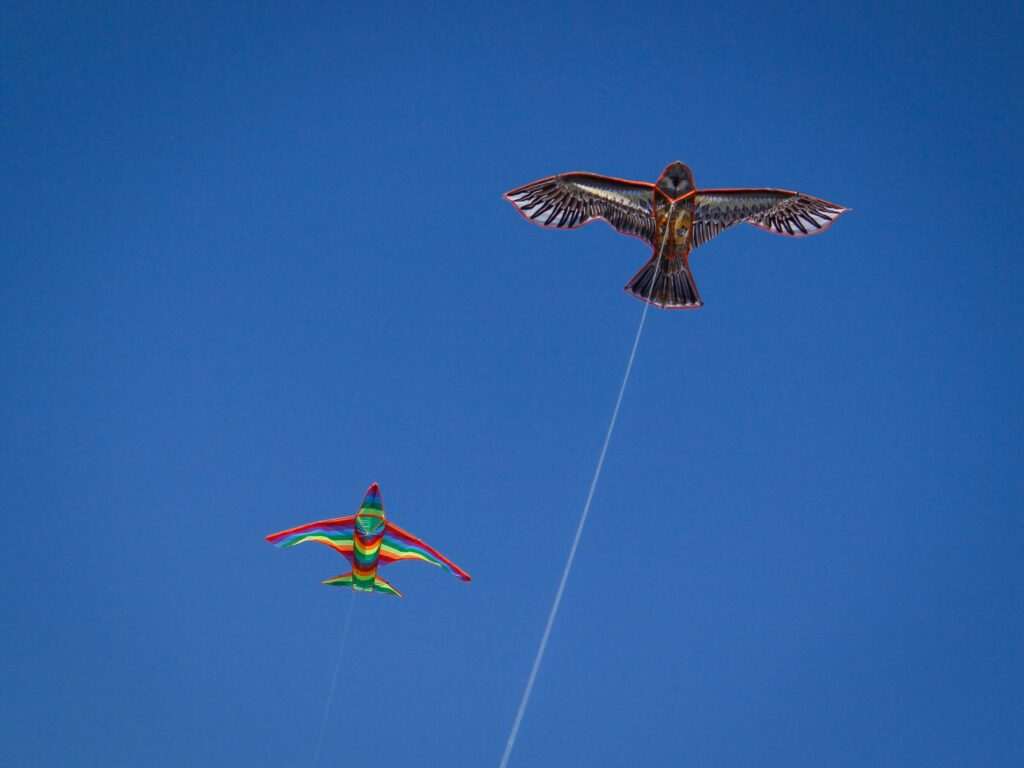
Anchorage is not a city people typically associate with kite flying, but the combination of open parks, reliable wind corridors, and long summer days creates surprisingly good conditions. Westchester Lagoon sits in the middle of the city with consistent afternoon thermals off Cook Inlet and an open grass field that gives kite string room to run. Kincaid Park’s coastal bluff above the inlet adds another dimension entirely — winds that come straight off the water with nothing in the way for miles. For kite boarders willing to step up to powered flight, the Cook Inlet mudflats at low tide offer some of the most wind-exposed terrain in Southcentral Alaska. Kite flying in Anchorage rewards anyone willing to check a wind forecast and show up in the right spot at the right time.
Westchester Lagoon: The City’s Kite Hub
Westchester Lagoon is the default kite flying spot for Anchorage. The park sits along the Chester Creek trail system, with an open grassy area on the south side of the lagoon that sees consistent afternoon breeze funneled in from Cook Inlet. The grass stays flat and unobstructed — no overhead power lines, no tree canopy — which makes line management straightforward and launching uncomplicated. On a typical summer afternoon with 10–15 mph winds off the inlet, the lagoon’s open grass handles kites of any size from small delta designs to large stunt kites and power foils.
The surrounding paved trail keeps foot traffic organized, and the broad open shoreline gives kite flyers plenty of room without interfering with walkers, cyclists, or the ducks and geese that make the lagoon their home. Parking is available at the Chester Creek trailhead off Westchester Drive. The park is accessible year-round, and spring and fall — when winds are more reliable and sustained — are often better than midsummer for consistent flying conditions.
Kincaid Park: Coastal Bluff Flying
Kincaid Park adds a different character to Anchorage kite flying — elevation, open coastal exposure, and wind that comes directly off Cook Inlet without obstruction. The park’s western edge above the inlet drops toward the beach access area, and the grassy areas along the bluff pick up steady westerly winds when conditions are right. Kite flyers who find Westchester Lagoon too calm on a given afternoon often make the drive to Kincaid’s coastal exposure and find exactly what they were looking for.
Kincaid’s size — roughly 1,500 acres of mixed forest, meadow, and coastal terrain — means that finding the right wind pocket requires some familiarity with the park. The best spots for kite flying are the open areas near the beach access parking lot and the meadow sections south of the chalet. The park’s trail system can coexist with kite flying, but the forested singletrack sections are obviously the wrong venue. Stick to the open meadow and coastal edge areas and the space opens up considerably.
Cook Inlet Mudflats: Kite Boarding Terrain
Kite boarding — the sport that uses a large power kite to pull a rider across water or land on a board — has a small but active community in Anchorage, and the Cook Inlet mudflats at low tide are the primary venue. The mudflats exposed at low tide along the Tony Knowles Coastal Trail near Point Woronzof and the Earthquake Park area create wide, flat, wind-exposed surfaces that experienced kite boarders use for land-based riding. The wind exposure here is substantial — open to the prevailing westerly flow across the inlet — and on strong wind days the mudflats can see 20+ mph sustained winds suitable for powered kite sports.
This is emphatically not beginner terrain. The Cook Inlet mudflats carry serious hazards: the mud itself can trap wading legs, the incoming bore tide is one of the fastest in North America, and offshore winds can carry an unprepared rider into dangerous situations quickly. Kite boarding on the mudflats is practiced by people with both strong kite control skills and Cook Inlet-specific knowledge. If you’re new to kite boarding, the inland parks are the place to learn, and connecting with Anchorage’s small kite sports community is the best way to learn the mudflat protocols before attempting it independently.
Anchorage Kite Festivals and Community Events
Kite flying has a modest but genuine community presence in Anchorage, and organized events provide the best way to encounter the full range of what Anchorage kite culture looks like. The Anchorage kite community typically organizes informal fly events at Westchester Lagoon through summer, and occasional larger gathering events draw participants with specialized gear — stunt kites, large delta arrays, fighter kites, and foil designs — that create the visual spectacle that makes kite festivals worth attending as a spectator as much as a participant.
Check community boards and local social media groups for current event listings; Anchorage kite events tend to be organized informally and scheduled around wind conditions rather than fixed calendar dates. The most reliable window for organized flying events is late May through early September.
Best Wind Conditions and Timing
Kite flying in Anchorage follows a seasonal wind pattern that differs from what most visitors expect. July and August — the peak tourist months — are actually among the calmer wind months in Anchorage. The prevailing Cook Inlet flow is more variable in midsummer and can drop to frustratingly light conditions on warm afternoons when the pressure gradient flattens. Spring and fall offer more consistent wind: April through early June tends to bring stronger westerlies, and September and October see the returning fall weather patterns that bring sustained wind days more reliably than any summer month.
For day-to-day planning, wind speeds between 10 and 25 mph cover most recreational kite flying. Below 8 mph, single-line kites struggle to stay aloft. Above 25 mph, single-line kites become difficult to manage and stunt kites require experience to fly safely. The National Weather Service Anchorage forecast and Weather Underground’s personal weather stations near the inlet provide the most useful local wind data for planning a session at Westchester Lagoon or Kincaid Park.
Kite Types and Gear for Anchorage Conditions
Anchorage’s variable wind — from calm lagoon days to gusty inlet exposure — favors kites with wide wind ranges. Diamond kites and classic deltas are forgiving in variable conditions and handle well at both Westchester Lagoon and Kincaid Park. Stunt kites (dual-line designs that allow precise maneuvering) are popular in the local community and perform well in the 10–20 mph range common at the lagoon. Power foils, which generate significant pull and are the gateway to kite boarding, require dedicated training and the open Cook Inlet exposure to fly safely.
For visitors looking to buy or upgrade kite gear in Anchorage, REI Co-op Anchorage carries a selection of recreational kites and kite-adjacent gear in their outdoor toy and recreation section, particularly heading into summer. Dedicated kite retailers are not common in Anchorage, so visiting the REI before a planned session — especially if you’re arriving without gear — is the practical first step. REI staff can also advise on wind conditions and local flying spots based on current stock and local knowledge.
Tips for First-Time Kite Flyers in Anchorage
Several practical points make Anchorage kite flying more enjoyable for visitors unfamiliar with the conditions. First, check the wind before driving anywhere specific. Westchester Lagoon and Kincaid Park have meaningfully different wind exposure, and on any given afternoon one may be flying well while the other is calm. A basic wind app reading the nearest weather station saves a wasted drive.
Second, dress for inlet wind rather than air temperature. A summer afternoon that feels pleasant in a t-shirt in downtown Anchorage can feel significantly cooler at Kincaid’s coastal bluff with 15 mph wind off the inlet. A light wind layer — the same kind used for cycling or hiking — is worth bringing for any session at an exposed site.
Third, respect the shared-use nature of the parks. Westchester Lagoon’s open grass is popular with dog walkers, picnickers, and families, and long kite strings at low angles are a hazard that creates conflict. Flying with adequate string angle — keeping the kite high and the string steep rather than running horizontal ground-level lines — keeps the experience positive for everyone sharing the space.
Where is the best place to fly a kite in Anchorage?
Westchester Lagoon is the go-to spot — open grass, consistent Cook Inlet breeze, and easy parking off Westchester Drive. Kincaid Park’s coastal bluff is the stronger-wind option when inlet exposure is what you’re looking for. Both are accessible year-round.
Is kite boarding possible near Anchorage?
Yes, but it requires experience and local knowledge. The Cook Inlet mudflats near Point Woronzof are the primary venue for land-based kite boarding at low tide. The area carries real hazards including bore tide and strong offshore winds — connect with the local kite community before attempting it independently.
Where can I buy a kite in Anchorage?
REI Co-op Anchorage carries recreational kites and related gear, particularly heading into summer. Dedicated kite retailers are not common in Anchorage, so REI is the most reliable in-city option for visitors who arrive without gear.
When is the best time to fly kites in Anchorage?
Spring (April–June) and fall (September–October) typically offer more consistent wind than midsummer. July and August are the peak tourist months but can be relatively calm at Westchester Lagoon. Check the local NWS forecast or a wind app before heading out — conditions vary significantly by location and day.
Featured photo by Chris Mark on Pexels.



No comments yet.