
Halibut Fishing from Anchorage 2026: Charters, Costs & What to Expect
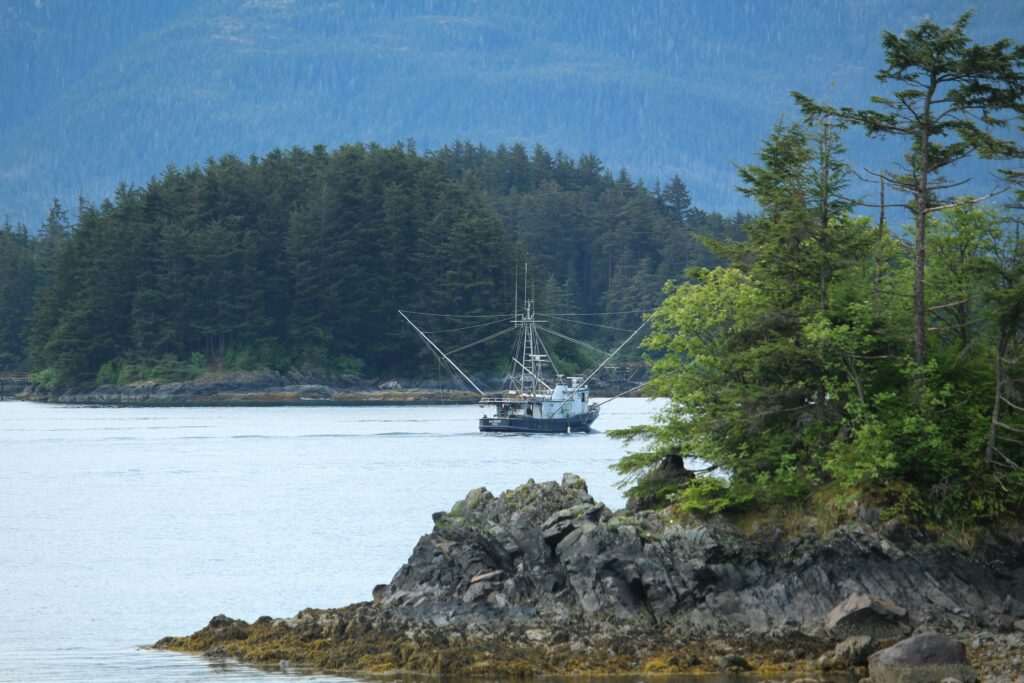
Pacific halibut are the reason many visitors plan Alaska trips around a specific week in summer. The fish are enormous — a 100-lb halibut is a realistic catch for a first-timer, and fish over 200 lbs are landed every season — and the meat is among the best eating fish in the Pacific. Unlike salmon fishing, which rewards technique and local knowledge across dozens of river systems, halibut fishing is more accessible to newcomers: you drop a baited rig to the bottom, wait for the tap, and haul. The challenge is the size of the fish when you get one. From Anchorage, three departure points put you on productive halibut grounds in a single day.
Why Alaska Halibut Fishing Is Different
Pacific halibut (Hippoglossus stenolepis) are the largest flatfish in the world. The Alaska commercial and sport fishery is strictly managed by the International Pacific Halibut Commission, which sets annual quotas to maintain the population. The result: healthy stocks and reliable catches across Southcentral Alaska. Halibut have a mild, clean flavor with large white flakes — widely considered the best white fish in Alaska, holding up well to grilling, baking, frying, or smoking. A single 50-lb halibut yields 30+ lbs of fillets. The combination of trophy size, excellent eating quality, and manageable technique makes halibut charters the top fishing priority for many visitors.
Departure Points from Anchorage
Homer — The Primary Destination (4.5 Hours South)
Homer markets itself as the “Halibut Fishing Capital of the World” with justification. The Homer Spit harbor is Alaska’s largest sport fishing fleet for halibut, with dozens of charter operators competing for the same productive grounds in lower Cook Inlet and Kachemak Bay. The fishery here is deep and consistent — halibut concentrate on the bottom structure in 150–400 feet of water offshore. Big Time Alaskan Fishing Adventures and numerous other Homer operators run full-day charters departing at 6–7 AM, returning by early afternoon. Fish-cleaning services are directly on the Spit, and vacuum-seal packaging for the drive or flight home is standard. Homer requires an overnight stay to make the charter practical — the 4.5-hour one-way drive from Anchorage is too much to combine with a full fishing day without sleeping locally.
Seward — Closest Productive Grounds (2.5 Hours South)
Seward is the most practical halibut destination for visitors based in Anchorage who want a single long day trip. Resurrection Bay opens to the Gulf of Alaska, and halibut grounds are accessible within 1–2 hours of the harbor. Charter operators at the Seward Small Boat Harbor offer half-day (4–5 hours) and full-day (8–9 hours) options. Alaska Fishing Adventures and similar Seward operators handle all tackle and bait; fishing licenses are required and can be arranged through the charter. Full-day trips venture further offshore for larger fish; half-day trips fish the shallower near-bay structure with smaller but consistent catches. Combine a Seward halibut charter with the town’s waterfront — SeaLife Center, harbor walks — for a complete day.
Whittier — Prince William Sound Option (1 Hour East)
Whittier accesses Prince William Sound rather than Cook Inlet, and the halibut fishing here differs in character — more sheltered, calmer water, and combined with extraordinary scenery of glaciers and fjords. The catch rates are generally lower than Homer or Seward for targeting large halibut specifically, but the setting is unmatched and the combination fish-and-wildlife day (halibut + orca sightings + glacier views) is hard to beat. Prince William Sound charter operators offer combination fishing and sightseeing trips. Check current operator availability directly — Whittier has a smaller charter fleet than Homer or Seward.
Charter Formats
Full-Day Offshore Charter (8–10 Hours)
The full-day format is the standard for Homer halibut trips and the recommended option for first-timers who want the best shot at large fish. Typical structure: depart harbor at 6–7 AM, travel 1–2 hours to grounds, fish for 5–6 hours, return by early-to-mid afternoon. Groups of 6–16 passengers share the boat; private charters cost more but allow custom schedules. Tackle, bait (usually herring or squid), and basic gear are provided. Fish are retained by the passenger within daily bag limits (2 halibut per person per day under IPHC regulations; check current year limits).
Half-Day Near-Shore Charter (4–5 Hours)
Half-day trips out of Seward target shallower grounds within the bay and are practical for visitors with time constraints. Fish are smaller on average (10–30 lbs typical vs. 30–100+ lbs on full-day offshore), but the trip is easier to fit into a tight itinerary. Good option for families with younger children or visitors who get seasick easily.
What to Expect on a Halibut Charter
Gear and Setup
Charter boats provide heavy-action rods, large reels spooled with braided line, and terminal tackle (circle hooks, swivel rigs, weight systems). You do not need to bring fishing gear. Halibut fishing involves dropping a baited rig to the seafloor in 200–400 feet of water and detecting the strike. The strike feels like the bottom is moving — subtle at first, then unmistakable. The fight on a large halibut is a full-body workout; the fish use their flat profile to resist coming up and will make multiple runs back toward the bottom.
Seasickness
Cook Inlet and the Gulf of Alaska can have significant swells, especially on full-day offshore trips from Homer. Resurrection Bay out of Seward is more sheltered. If you are susceptible to seasickness, take medication (Dramamine, Bonine, or prescription scopolamine patch) the night before and the morning of. Ginger chews help for mild symptoms. Avoid alcohol the night before and eat a light breakfast. Prince William Sound is the calmest option if seasickness is a major concern.
Fish Cleaning and Packaging
Most charter operators provide basic fish cleaning (gutting and filleting) as part of the trip or for a modest fee. At Homer’s Spit, dedicated fish processing operations vacuum-seal, box, and label your catch for transport. Packaging is typically included in a per-pound processing fee. A 50-lb halibut yields roughly 30 lbs of fillets — plan your transport accordingly.
Costs
| Charter Type | Location | Approximate Cost |
|---|---|---|
| Full-day shared (6–16 pax) | Homer | $250–$350/person |
| Full-day shared | Seward | $200–$280/person |
| Half-day shared | Seward | $140–$180/person |
| Full-day private (up to 6) | Homer/Seward | $1,200–$2,000/boat |
| Combo fish + wildlife | Whittier/PWS | $200–$300/person |
Fishing license: required, ~$25/day for non-residents. Fish processing: ~$1.50–$2.50/lb. Tip: 15–20% for the crew is standard and expected.
Best Months
June through August is peak halibut season. June offers excellent fishing as halibut move into shallower grounds after winter, and the long days make for comfortable offshore conditions. July is peak season at Homer — book at least 3–4 weeks ahead. August remains productive; fish can be larger as they’ve been feeding through summer. May sees some early-season action but operators have limited availability. September brings rougher weather offshore and reduced charter schedules.
Getting Your Fish Home
A halibut catch is worth transporting — this is exceptional eating fish that freezes well. Options:
- Carry-on (frozen, properly packaged): TSA allows frozen fish in checked bags. Styrofoam coolers with dry ice (≤5 lbs) work for flights under 6 hours. Most Homer and Seward processing shops sell airline-approved packaging.
- Freight shipping: For large quantities (30+ lbs of fillets), same-day air freight via Alaska Airlines cargo is the most reliable option. Processing shops at Homer and Seward facilitate this directly; fish arrive at your home airport the next day. Costs approximately $3–$5/lb plus handling.
- Drive home: A cooler of ice handles a day’s drive back to Anchorage easily; ensure fish is vacuum-sealed before the drive. From Anchorage, your home freezer is the destination.
Combining with a Larger Trip
The most popular itinerary: drive to Homer the day before your charter, catch the early morning full-day trip, spend the afternoon on the Spit, pack your fish, and return to Anchorage the following day. This gives you a proper Homer experience alongside the charter without rushing. For Seward, a single long day from Anchorage works for a half-day charter; a full-day charter pairs best with an overnight in Seward to avoid a pre-dawn departure. Either destination connects naturally to other activities — Kenai Fjords boat tours from Seward, Kachemak Bay kayaking from Homer — making the fishing day part of a broader multi-day Peninsula loop.
Book early. Homer halibut charters for July fill weeks out, sometimes months for private boats. The fish will be there — the question is whether you planned ahead.
Featured photo by Howard Herdi on Pexels.



No comments yet.