
E-Bike Tours in Anchorage 2026: Coastal Trail Rides, Rentals & Electric Bike Guide
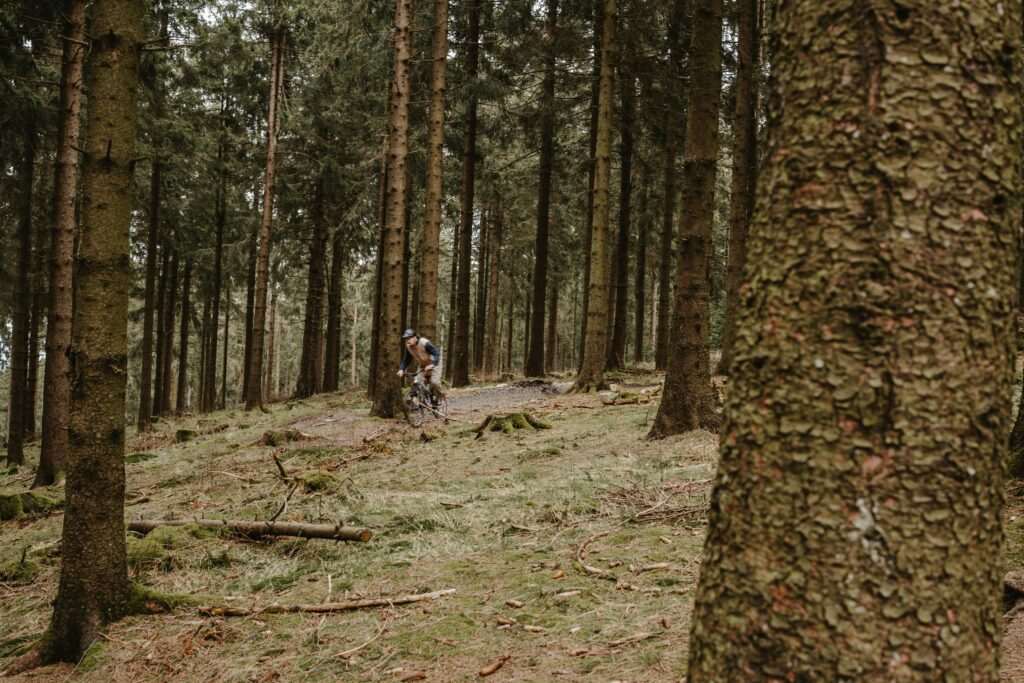
Anchorage has some of the best urban trail systems in North America — and e-bikes make them even better. Whether you’re a seasoned cyclist or someone who hasn’t ridden in years, an electric bike opens up 120+ miles of interconnected paved and gravel paths with views of Cook Inlet, the Chugach Mountains, and Knik Arm without the sweat tax. Here’s how to explore Anchorage by e-bike in 2026.
Why E-Bikes Work So Well in Anchorage
Anchorage’s trail network is flat to gently rolling along the coast and creek corridors, making it genuinely ideal for e-bike riding. The pedal-assist technology means you’re never gasping up a hill when you should be watching beluga whales in Cook Inlet. It also makes longer routes accessible to riders of mixed fitness levels — a group of friends or a family with varying abilities can stay together and cover ground that would otherwise separate them.
The city’s mild summer temperatures (55–70°F on typical July days) and long daylight hours (up to 19 hours in June) mean you can ride in the morning, stop for lunch, and still have a full afternoon of trail ahead of you without headlights. Alaska summer cycling doesn’t get better than this.
Tony Knowles Coastal Trail
The Tony Knowles Coastal Trail is the crown jewel of Anchorage cycling — an 11-mile paved trail hugging the coast from downtown to Kincaid Park, with uninterrupted views of Cook Inlet, the Alaska Range, and the mudflats below. On a clear day, Denali is visible to the north. Moose are regularly spotted in the spruce forest sections, and beluga whales occasionally surface in the inlet just off the trail.
The entire out-and-back (22 miles) is comfortable on an e-bike in 2–3 hours with stops. If you do one trail in Anchorage, this is it. Start at the Elderberry Park entrance near downtown or at Westchester Lagoon and ride south toward Kincaid. The trail is well-maintained, wide enough for cyclists and pedestrians to coexist, and almost entirely flat.
Kincaid Park
Kincaid Park sits at the western end of the Coastal Trail and offers a completely different riding experience: 40+ miles of trails through boreal forest, open meadows, and along coastal bluffs. The park has a mix of paved and packed-gravel paths, with some single-track sections for more adventurous riders. The views from the coastal bluffs — directly over Cook Inlet toward the Alaska Range and the volcanoes of the Aleutian arc — are spectacular.
Kincaid is also home to moose, foxes, and occasional bears, making it an active wildlife corridor. Ride with awareness, make noise around blind corners, and enjoy the encounters. The park’s trail system connects back to the Coastal Trail for a natural loop.
Chester Creek Trail and the Greenway
Chester Creek Trail runs 5.5 miles through the heart of Anchorage from the Coastal Trail to Russian Jack Springs Park, following a wooded creek corridor lined with cottonwood and birch. It’s a peaceful escape from the city that still feels surprisingly wild — moose wade the creek, salmon spawn in fall, and the canopy shuts out the urban noise. The trail connects to a broader network of paths including the Campbell Creek Trail, allowing for extended greenway rides across the entire city.
For an e-bike day, a logical route combines the Coastal Trail (11 miles), a downtown stop, Chester Creek Trail east, and back via the Campbell Creek Greenway — roughly 25–30 miles of mostly paved trail through Anchorage’s green corridor network.
E-Bike Rentals in Anchorage
Several shops in Anchorage rent bikes, and e-bike availability has grown significantly in recent years. Key options:
- Pablo’s Bicycle Rentals — one of Anchorage’s most established bike rental operations, offering a range of bikes including e-bikes; located convenient to the Coastal Trail
- Coastal Classic Bike Tour — guided bike tours specifically designed around Anchorage’s coastal trail system, with options that include e-bike rentals and guide narration along the route
Rental rates for e-bikes in Anchorage typically run $40–$80 per day depending on the model and shop. Half-day rates are usually available. Book ahead for July and August when demand peaks — the best e-bikes go quickly during the summer shoulder season.
Guided E-Bike Tours vs. Self-Guided
Both approaches work well depending on what you want from your ride.
Guided tours are worth it if you’re new to Anchorage, want local knowledge about the wildlife and history along the route, or prefer not to manage logistics like shuttle returns and trail navigation. Guides know where to stop for the best beluga whale viewing windows, which moose hangouts to check, and how to time the ride around weather.
Self-guided rides offer maximum flexibility. Download the Anchorage trail map from the Municipality of Anchorage Parks website before your trip, charge your phone for GPS navigation, and pick up your rental at a conveniently located shop. The Coastal Trail is straightforward enough to navigate without a guide — it’s essentially a single paved path with well-marked trailheads.
What to Know Before You Ride
- Helmet: Required for children under 16 by Alaska law; strongly recommended for all riders
- Layers: Alaska weather changes quickly — bring a windbreaker even on sunny days; the Coastal Trail gets cold ocean wind off Cook Inlet
- Bear awareness: Moose are more common than bears on the Coastal Trail and Chester Creek, but carry bear spray when venturing into Kincaid’s deeper forest sections
- Trail etiquette: Stay right, announce yourself when passing pedestrians (“on your left”), and yield to foot traffic on shared paths
- Tides: The mudflats below the Coastal Trail drain completely at low tide — don’t venture onto them. Turnagain Arm’s tidal bore is world-class, but so is the quicksand risk
- Battery range: Most rental e-bikes offer 30–60 miles of pedal-assist range. For a full-day Coastal Trail + Kincaid loop (20–30 miles), battery life isn’t a concern on a single charge
Best Season for E-Bike Riding in Anchorage
The prime e-bike window runs mid-May through September. June, July, and August offer the best conditions — long days, dry pavement, and peak wildlife activity. May can bring late-season mud on gravel sections but the Coastal Trail is typically rideable. September’s fall colors are stunning and crowds thin considerably, though you may encounter rain more frequently.
Winter fat-biking on groomed trails is also a thing in Anchorage (Kincaid Park grooms its trails in winter), but that’s a different experience from the summer e-bike scene this guide covers.
2026 Tips
- Book rental e-bikes and guided tours in advance — July is peak season and inventory is limited
- Download the official Anchorage trail map before your trip; cell service is intermittent in Kincaid Park’s interior
- Start the Coastal Trail early (before 9am) for the best chance of moose sightings on the Chester Creek connector
- Check the Anchorage Parks & Recreation website for any temporary trail closures (bear activity near trails occasionally causes short-term closures during salmon season)
Frequently Asked Questions
Do I need to know how to ride a bike to use an e-bike in Anchorage?
Yes — e-bikes are bicycles that require standard cycling ability. The pedal-assist motor helps with effort, but balance, steering, and braking are all still on you. If you haven’t ridden in years, a quick practice run in a parking lot before hitting the trail is a good idea. E-bikes are heavier than regular bikes, which affects handling.
Are e-bikes allowed on all Anchorage trails?
Class 1 and Class 2 e-bikes (pedal-assist up to 20 mph) are allowed on Anchorage’s paved multi-use trails, including the Tony Knowles Coastal Trail and Chester Creek Trail. Class 3 e-bikes (throttle-assisted above 20 mph) may have restrictions on some paths. Confirm with your rental shop which class of e-bike you’re renting and where it’s permitted.
How far can I ride on a single e-bike charge?
Most rental e-bikes have a range of 30–60 miles on a single charge in pedal-assist mode. The exact range depends on rider weight, terrain, how much you pedal vs. rely on the motor, and the assist level you choose. A typical Coastal Trail out-and-back (22 miles) is well within range. For longer routes through Kincaid Park, confirm battery capacity with your rental shop.
What’s the best time of day to ride the Coastal Trail?
Early morning (before 9am) offers the best wildlife sightings, the least pedestrian traffic, and the most dramatic light on the Alaska Range. Beluga whale sightings in Cook Inlet tend to happen during incoming tides when the whales follow fish into shallower water — check a local tide chart and time your coastal ride accordingly. Sunset rides in June and July, when the sun lingers until midnight, are also exceptional.

No comments yet.