
Portage Glacier Anchorage Day Trip 2026 — Begich Boggs Visitor Center & Glacier Cruise
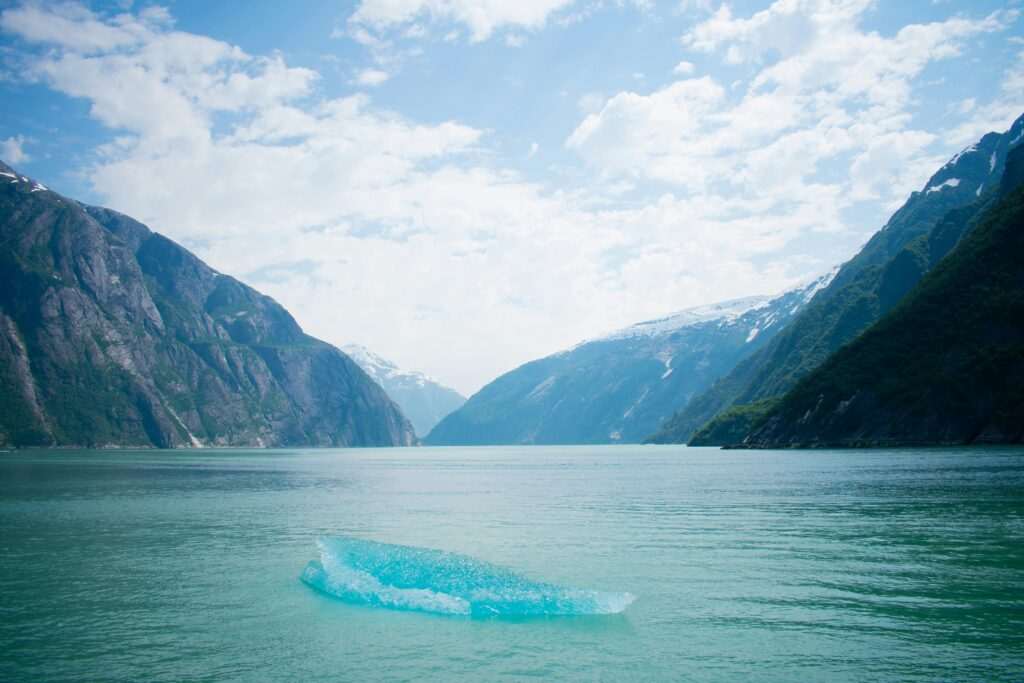
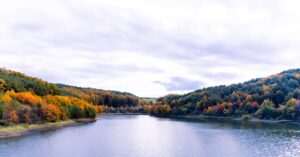
Portage Glacier sits 50 miles south of downtown Anchorage at the end of a short spur road off the Seward Highway, and it remains one of the most dramatically accessible glaciers in Alaska. The glacier calves directly into Portage Lake, a deep teal basin filled with floating icebergs that drift toward the boat dock in silence. A half-hour drive from city traffic, you’re standing at the edge of the Chugach National Forest watching chunks of ancient ice the size of cars bobbing in water so cold it stings to touch. For a single day from Anchorage, the Portage Valley combines a glacier boat cruise, a free walk-in glacier, an excellent visitor center, and an optional wildlife stop — making it one of the most content-rich day trips available in Southcentral Alaska.
Getting There
From Anchorage, take the Seward Highway south along Turnagain Arm — one of Alaska’s most scenic drives in its own right, with the tide-sculpted inlet on one side and the Chugach peaks rising on the other. At about mile 78, turn onto Portage Glacier Road and follow it 5.5 miles to the Begich Boggs Visitor Center. The entire drive from downtown Anchorage takes 45–60 minutes in normal conditions. Note: the road into Portage Valley is a dead end — all visitor facilities are clustered at the lake end of the road, and there is no through route to Whittier by this road (the Anton Anderson Tunnel to Whittier is a separate toll facility accessed from the same highway mile).
Begich Boggs Visitor Center
The Begich Boggs Visitor Center, operated by the U.S. Forest Service, sits at the shore of Portage Lake and serves as the gateway to everything in the valley. The facility includes interpretive exhibits on glacier dynamics, the ecology of the Portage Valley, and the region’s natural history. A large observation deck faces the lake, and on most clear days the glacier itself is visible at the far end — receded now from where it once met the visitor center, a change visitors can trace through the timeline of historic photographs on display inside.
The center also screens a short film about Portage Glacier and the Chugach National Forest that provides useful context before a boat trip. Telescopes on the observation deck allow close-up views of the glacier face and the icebergs drifting on the lake. Admission to the visitor center is included with the day-use fee. Plan to spend 20–30 minutes here before boarding the boat.
The Glacier Cruise
The only way to reach the face of Portage Glacier is by boat — the glacier has receded behind a ridge that blocks it from view at the visitor center, but the Portage Glacier cruise carries passengers across the lake and up to within viewing distance of the active calving face. The boat departs from the dock adjacent to the visitor center and the round-trip cruise takes approximately one hour.
On the water, icebergs are close enough to touch — do not do this; the weight of even a small berg is significant and they roll unpredictably. The blues in glacier ice are a result of compressed, ancient air being squeezed out over thousands of years; the densest ice appears nearly electric in direct sunlight. The cruise narration covers the glacier’s retreat history and the ongoing science of monitoring its movement. This is a ticketed attraction; reservations are recommended on summer weekends and are available through the cruise operator’s website. The cruise season runs May through September.
Byron Glacier Trail
A mile up the valley from the visitor center, the Byron Glacier Trail provides the easiest walk-in glacier access in the Anchorage area. The 1-mile trail (2 miles round-trip) follows Byron Creek through boreal forest and moraine to the Byron Glacier snout. The walk takes 30–45 minutes at a casual pace with no technical terrain. The trail is free, requires no reservation, and offers a ground-level glacier experience — ice close enough to touch — that the boat cruise doesn’t replicate. The iceberg field near the creek outlet is particularly photogenic in morning light.
Photography and What to Wear
Portage Valley light is most dramatic in the morning; afternoon clouds from the Gulf of Alaska frequently move in. A polarizing filter deepens the lake’s teal color and cuts surface glare around icebergs. Bring rain gear regardless of forecast — the valley receives substantial precipitation year-round, and conditions can change in an hour. Dress in layers; it is noticeably colder at the glacier face than at the Seward Highway.
Combine with Alaska Wildlife Conservation Center
The Alaska Wildlife Conservation Center sits at mile 79 of the Seward Highway, just before the Portage Glacier Road turnoff — making it a natural first or last stop on the same day trip. The center houses Alaska’s large mammals in naturalistic enclosures: brown bears, black bears, moose, wood bison, musk ox, caribou, elk, and eagles. Unlike backcountry wildlife viewing, the AWCC guarantees close sightings regardless of season or weather. A 90-minute visit covers the full loop. If you’re arriving from Anchorage, the AWCC is on your right before the Portage turnoff — stop here first, then continue to the glacier.
Frequently Asked Questions
Do I need to pay to visit the Portage Valley? The Chugach National Forest charges a day-use fee for vehicle access to the Portage Glacier area; this covers the visitor center and trails. The glacier cruise is a separate ticketed cost. Byron Glacier Trail access is included with the day-use fee.
Can I see Portage Glacier without taking the boat tour? From the visitor center deck and surrounding trails, the glacier itself is not directly visible — it has retreated behind a ridge. A telescope on the observation deck provides partial views. The boat cruise is the only way to see the glacier face up close.
What is the best time of year to visit? June through September offers the clearest weather and open boat tours. July and August are peak season. May is excellent for uncrowded visits — the cruise season opens early and conditions are often clear.
Is the Portage Valley drive worth it without the glacier cruise? Yes — the visitor center, Byron Glacier Trail, and the valley scenery justify the drive. But the boat trip is what most visitors remember longest. Book it if the budget allows.
Featured photo by Albert Koenig on Pexels.

No comments yet.