
Kenai Peninsula Road Trip from Anchorage 2026
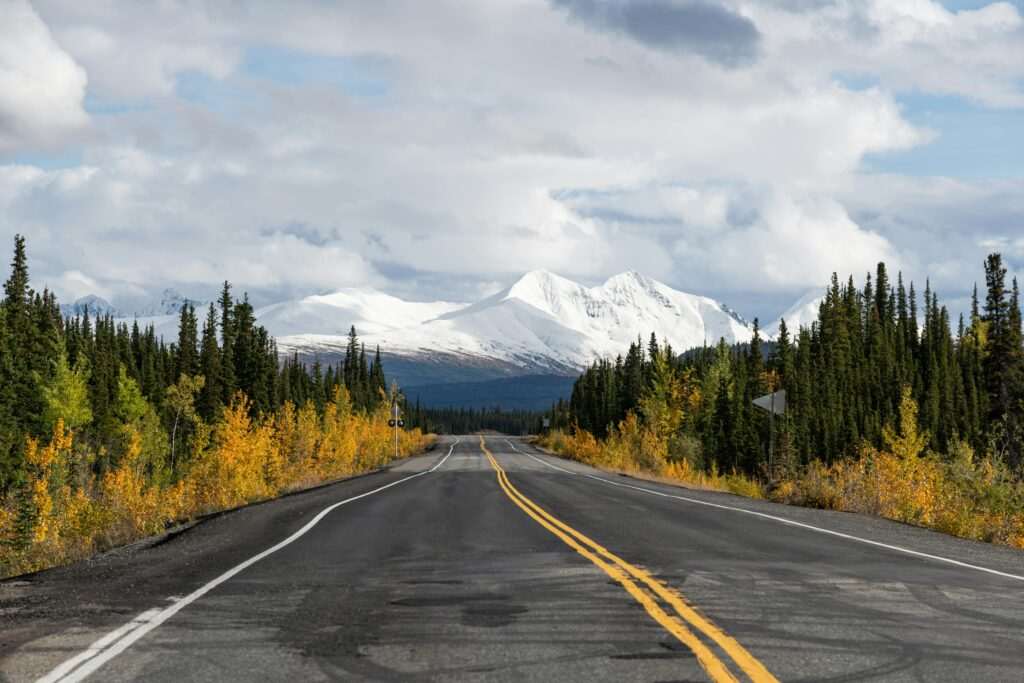
The Kenai Peninsula road trip is the defining Alaska drive for visitors with a week or less. From Anchorage, the route follows the Seward Highway south along Turnagain Arm, crosses the Kenai Peninsula interior through boreal forest and river valleys, and terminates at Homer on Kachemak Bay — a total of about 230 miles one way. Along the route are tidewater glaciers, one of the most accessible national parks in Alaska, the Kenai River salmon fishery that draws anglers from across the country, and a coastal town at the end of a road that feels like the edge of the continent. This guide covers the recommended itinerary, driving logistics, where to stop, and how long to spend at each destination.
Route Overview and Recommended Time
The full Kenai Peninsula loop — Anchorage south to Seward, west across the peninsula to Soldotna and Kenai, then south to Homer, and back to Anchorage via the same Sterling Highway — covers approximately 650 road miles. Three days is the minimum to see the highlights without feeling rushed; five days allows time for a day cruise out of Seward, fishing on the Kenai River, and a day trip from Homer to Halibut Cove or Seldovia. A full week is ideal for visitors who want to take a boat tour from Seward, spend two nights in Homer, and add an optional stop in Whittier on the way back.
The entire loop is paved and drivable in a standard passenger car. A high-clearance vehicle is not required for any portion of the main route. Gravel roads do appear for optional detours — the road to Eklutna Lake, gravel spurs off the Sterling Highway — but the primary route is two-lane paved highway throughout. Gas stations exist at all major towns (Seward, Cooper Landing area, Soldotna, Homer) with gaps of 40–60 miles in between; fill up when you can.
Day 1: Anchorage to Seward (127 miles, about 2.5 hours)
The drive south from Anchorage on the Seward Highway along Turnagain Arm is one of the most scenic two-lane highway drives in North America. The arm’s tidal mudflats, the Chugach Mountains rising directly above the road, and the frequent wildlife sightings — beluga whales in the inlet during salmon runs, Dall sheep on the cliffsides, bald eagles at low tide — make the drive itself a destination. Allow more time than the bare driving distance suggests; the temptation to stop at pullouts along the arm is considerable.
At mile 79.9, the Portage Glacier Road junction offers a worthwhile side trip. The Alaska Wildlife Conservation Center at mile 79 is the most reliable large-mammal wildlife encounter accessible from the Seward Highway — brown bears, bison, musk ox, moose, and caribou in large natural enclosures. Budget an hour and a half for the center, then continue to Portage Lake for a look at the icebergs before rejoining the highway. The Whittier tunnel junction is a separate turnoff a few miles further; the Prince William Sound glaciers and wildlife cruises from Whittier are worth a full additional day and are covered in a separate guide.
Seward is the first major overnight stop. The town sits at the head of Resurrection Bay and serves as the gateway to Kenai Fjords National Park. A Kenai Fjords glacier cruise departing from Seward’s Small Boat Harbor is the signature experience — a full-day tour reaches the outer fjords, Northwestern Glacier, and the wildlife-rich waters near the Chiswell Islands. Exit Glacier, accessible by a short road outside town, allows walk-up access to an active tidewater glacier face and the strenuous Harding Icefield Trail. The Alaska SeaLife Center on the waterfront covers marine life rehabilitation and exhibits on the Kenai Fjords ecosystem. Plan two nights in Seward to fit both the boat tour and Exit Glacier without rushing.
Day 2–3: Seward to Cooper Landing (38 miles, about 1 hour)
The Sterling Highway branches west from the Seward Highway at Tern Lake Junction, mile 37 of the Seward Highway, and follows the Kenai River drainage northwest toward Soldotna. Cooper Landing is the first notable stop, about 38 miles from Seward. The town sits at the confluence of the Kenai River and Russian River, and the surrounding area is one of the premier salmon fishing and whitewater rafting destinations on the peninsula.
The Kenai River through Cooper Landing runs Class III rapids in sections, making it accessible for guided half-day raft trips without technical experience. Chugach Adventures and other Cooper Landing operators offer guided rafting trips that combine river scenery with wildlife watching — moose along the banks, eagles over the river, and bears near the water during salmon runs. The Russian River confluence at the Cooper Landing bridge is one of the most famous combat fishing spots in Alaska during the sockeye salmon run in July; anglers wade elbow-to-elbow in the confluence where the fish stage before heading upriver. Watching this scene from the bridge is its own spectacle even without a fishing rod.
Lodging at Cooper Landing runs from campgrounds along the river to small lodges and cabins. The area is significantly less developed than Seward and Homer, with limited restaurant options; grocery stops in Soldotna before arriving are practical.
Day 3–4: Soldotna and Kenai (30 miles from Cooper Landing, about 40 minutes)
Soldotna is the commercial center of the central Kenai Peninsula and the base for most Kenai River fishing operations. The Kenai River through Soldotna is the most heavily fished river in Alaska and one of the most productive king salmon rivers in the world — world-record king salmon have been pulled from these waters, and the summer runs of sockeye, pink, silver, and king salmon draw thousands of anglers every season. Charter fishing operators in Soldotna and the adjacent town of Kenai offer half-day and full-day drift boat and bank fishing trips on the river; guided trips are the practical option for visitors unfamiliar with the river’s moods, access points, and regulations.
The historic town of Kenai, twelve miles west of Soldotna on the Cook Inlet shore, is worth a brief stop. The Russian Orthodox Church in Old Town Kenai — a working church dating from the early 19th century — reflects the peninsula’s Russian colonial history. The bluff above the town provides views across Cook Inlet to the snow-covered volcanoes of the Alaska Range, including Redoubt, Iliamna, and Augustine, on clear days. The Kenai Visitors and Cultural Center on the main highway covers both the town’s history and the natural environment of the peninsula.
Day 4–5: Homer (80 miles from Soldotna, about 1.5 hours)
Homer is the southern terminus of the Sterling Highway, 226 miles from Anchorage by the most direct route. The town occupies a hillside above Kachemak Bay with views south to the Kenai Mountains and across the bay to the glaciers of Kachemak Bay State Park. The Homer Spit — a 4.5-mile gravel bar extending into the bay — concentrates the fishing charter fleet, art galleries, seafood restaurants, and the beachside camping that defines the Homer visitor experience. Bald eagles congregate at the Spit in numbers that startle first-time visitors; dozens of birds perch on boat masts, pilings, and shoreline perches, accustomed to the fishing activity that provides easy meals.
A water taxi from the Spit to Halibut Cove across the bay reaches a small artist community accessible only by boat, with a single floating boardwalk restaurant, working artists’ studios, and the striking geology of the cove’s volcanic walls. The round trip water taxi runs approximately an hour each way; the Salty Dawg Saloon at the Spit end and the Halibut Cove Saltry on the far side bookend a full Kachemak Bay day. Halibut charter fishing from Homer is covered in a separate guide; the harbor-front charter operators can be booked day-of in shoulder season but require advance reservations in July.
Driving Times Summary
Anchorage to Seward: 127 miles, 2.5 hours. Seward to Cooper Landing: 38 miles, 1 hour. Cooper Landing to Soldotna: 30 miles, 40 minutes. Soldotna to Homer: 80 miles, 1.5 hours. Homer to Anchorage direct via Sterling Highway: 226 miles, 3.5–4 hours. Total loop: approximately 650 miles. The numbers above reflect direct driving without stops; the actual time at each location depends on which activities you book. Add at least 45 minutes of buffer time per leg for the inevitable pullouts and wildlife sightings that make the Kenai Peninsula drive worth doing.
Best Time to Visit
Late May through September covers the usable season. June is ideal for shoulder-season prices, minimal crowds, and the beginning of salmon runs. July is peak season with maximum wildlife activity — salmon in the rivers, humpbacks and orcas in the outer fjords, bears at creek mouths — and correspondingly maximum crowds and prices at lodging and tours. August offers slightly lower prices than July with continued excellent fishing and the beginning of fall color on the higher slopes. September is the coho salmon run month and the beginning of fall, with dramatically reduced crowds and the possibility of the first snow on the mountain passes.
Lodging and Car Notes
Book lodging months in advance for July weekends, particularly in Seward and Homer. Both towns have limited inventory and fill reliably in peak season; last-minute availability is scarce. Cooper Landing and Soldotna have more inventory but operate on the same July pressure. Campgrounds throughout the peninsula operate on a reservation system for peak season; first-come-first-served sites at popular spots like Anchor River and Russian River fill by mid-morning in July.
Any standard rental car handles the entire main route. Truck or SUV rentals add flexibility for gravel spurs and camping gear but are not required. Rental cars from Anchorage typically include unlimited mileage for Alaska travel; verify before booking if you plan to put 600-plus miles on the vehicle. Gas in Homer and Seward runs about 20-30 cents above Anchorage prices; fill up in Anchorage before departing if you want to minimize fuel costs on the outbound leg.


No comments yet.