
Kenai River Fishing Guide 2026: Salmon Runs, Charters and Access
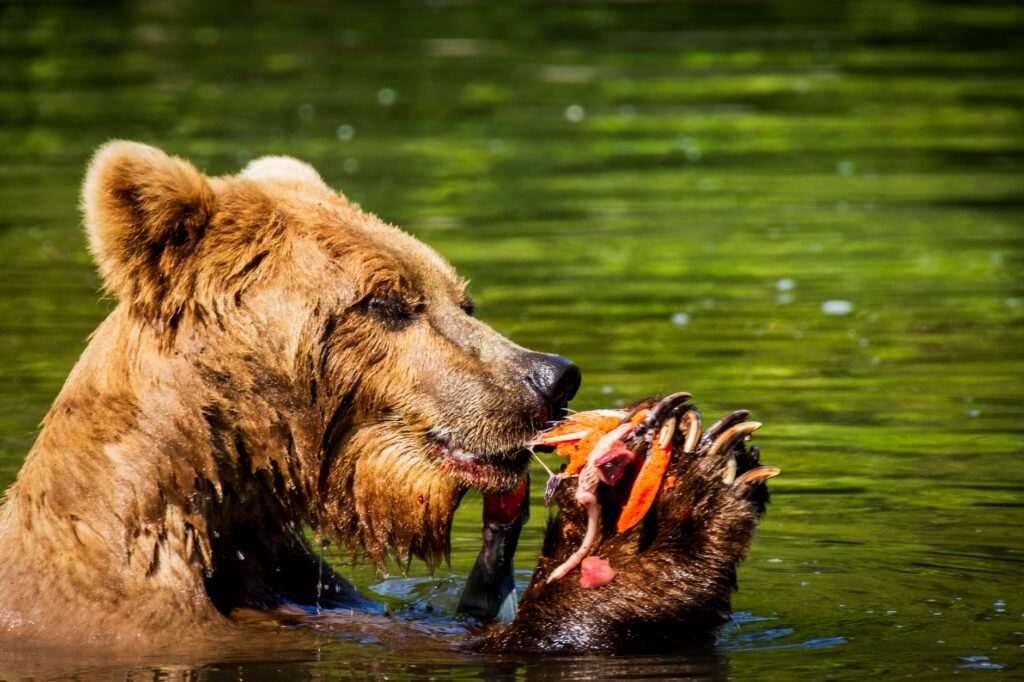
The Kenai River runs 82 miles from Kenai Lake to Cook Inlet and carries five species of Pacific salmon through its lower reaches in summer — but it’s the king salmon and the sockeye runs that define the river’s reputation as one of the premier sport fisheries in North America. The Kenai is 2.5 hours from Anchorage via the Seward Highway and Sterling Highway, making it the most accessible world-class salmon fishery in Alaska for visitors based in the city. Here’s the practical guide to fishing the Kenai River in 2026.
Salmon Run Timing
| Species | Run Timing | Peak | Primary Method |
|---|---|---|---|
| King salmon (first run) | Mid-May to mid-July | June | Back-trolling lures or roe from drift boat |
| King salmon (second run) | Late July to mid-August | Late July | Same as first run; bigger fish average |
| Sockeye (red) salmon | Late June to early August | Mid-July | Flossing from bank; dipnetting (personal use) |
| Silver (coho) salmon | August to September | Mid-August | Spinners, spoons, flies from bank or drift |
| Pink salmon | Odd years only (2027, 2029) | August | Light spinning gear from bank |
King salmon regulations on the Kenai River are subject to annual adjustment by the Alaska Department of Fish and Game — seasons, bag limits, and closed sections change each year based on escapement projections. Check the current ADF&G regulations before your trip, as rules can shift even within season if returns are lower than projected. The 2026 season information will be posted to the ADF&G website in spring 2026.
King Salmon: Two Runs, Different Character
The Kenai River king salmon is the largest run of king salmon in the world by average fish size — the river’s population of upper-river spawners produces fish that regularly exceed 50 pounds, with the world-record king (97 pounds, 4 ounces) caught here in 1985. The first run (mid-May through mid-July) is the higher-volume run, with more fish entering the river. The second run (late July through mid-August) carries fewer but larger fish on average. Both runs are primarily a drift-boat fishery — backtrolling plugs or diving lures through holding water from a motorized drift boat is the standard technique on the lower Kenai.
King salmon fishing on the Kenai requires a separate king stamp on your Alaska fishing license, available through the ADF&G licensing system. Guided trips are strongly recommended for first-time Kenai king anglers — reading the river, positioning the boat in the right water, and working lures correctly takes experience that eliminates the guesswork for visitors with limited time.
Sockeye Salmon: Bank Fishing at Scale
The Kenai’s sockeye run is a phenomenon. Mid-July sees such dense concentrations of red salmon that bank fishing from public access points along the Sterling Highway produces fish without a guide or a boat — the river runs wall-to-wall with salmon, and the flossing technique (swinging an unweighted fly through the current) is the primary bank-fishing method. Centennial Park in Soldotna and Soldotna Creek Park provide free public bank access right in the city. The sheer density of the mid-July run means bank fishing at Soldotna can be extremely productive, and the social atmosphere at the public banks during peak run is an Alaska experience in itself.
Personal-use dipnetting for sockeye is a separate privilege available to Alaska residents only — dipnetting is restricted to Alaska residents — visitors fish with rod and reel under sport fishing regulations.
Guided Fishing: Charter vs. DIY Float
Guided drift boat trips on the Kenai run half-day (4–5 hours) or full-day (8–10 hours) and typically depart from Soldotna-area boat launches. Operators provide all gear, tackle, and fish-handling equipment — visitors need only a valid Alaska fishing license with the appropriate stamps. Guided half-day trips run approximately $200–275 per person; full-day guided trips $275–375. Outfitters mentioned in the brief — Alaska Fishing Adventures and ATA Sport Fishing — operate guided Kenai trips and can be booked in advance online.
DIY float fishing on the Kenai requires drift boat experience, local river knowledge, and a vehicle to handle the shuttle between launch and takeout. Most first-time visitors are better served by a guided trip than attempting the self-guided float — the commercial river traffic is dense in peak season and boat traffic management on a busy Kenai day takes local familiarity.
Bank Access Points
For visitors fishing without a guide:
- Centennial Park (Soldotna): Maintained public park with bank fishing access on the Kenai, restrooms, and a campground. One of the best free bank access points on the lower river for sockeye during the July run.
- Soldotna Creek Park: Smaller park in central Soldotna with Kenai River bank access. Walkable from town facilities.
- Various Sterling Highway pullouts: Multiple unofficial bank access points line the Sterling Highway along the Kenai — local knowledge helps identify which sections are open and currently holding fish.
Licensing and Regulations
Alaska sport fishing licenses are available online through the Alaska Department of Fish and Game website, at sporting goods stores in Soldotna and Kenai, and at Fred Meyer and Walmart locations in Anchorage. The standard non-resident sport fishing license runs approximately $145 for the season or $30 for 3 days. King salmon stamps are an additional ~$30 per year or ~$15 for 3 days. Verify exact fee structures on the ADF&G licensing page before visiting — fees update annually.
Regulations on the Kenai are specific to river sections — the upper, middle, and lower sections of the Kenai may have different open seasons, gear restrictions (single-hook requirements, fly-fishing-only zones), and bag limits. Read the current year’s ADF&G regulations for the Kenai River specifically before fishing. Our salmon fishing near Anchorage guide covers Ship Creek, Cook Inlet charters, and other Southcentral fisheries for visitors planning a broader Alaska fishing trip.
Fish Handling and Processing
Most Kenai guides will clean and package your fish for travel — vacuum-sealed frozen fillets that fit in checked luggage. Alaska Airlines allows properly packaged fish in checked baggage; frozen fish packed with dry ice or gel packs in a sealed cooler is the standard approach. Soldotna has multiple fish processing facilities that will fillet, vacuum-pack, freeze, and box fish for airline transport, typically at per-pound rates. If you plan to take fish home, arrange processing the day before departure to allow enough freeze time.
Getting There and Where to Stay
From Anchorage: Seward Highway south to the Tern Lake junction, then Sterling Highway west through Cooper Landing to Soldotna — total drive 2.5 to 3 hours. Book lodging in Soldotna or Kenai for a multi-day fishing trip; the area has motels, B&Bs, and campgrounds along the Sterling Highway corridor. Our camping near Anchorage guide covers campgrounds in the Kenai corridor for visitors planning to base camp near the river. Visitors extending the trip further south can continue down the Sterling Highway to Homer for halibut charters and Kachemak Bay scenery — about 2.5 more hours beyond Soldotna. Alaska Public Lands Information Center in downtown Anchorage carries current run reports and ADF&G contact information before you head south. Enterprise Rent-A-Car at Anchorage Airport is the most convenient vehicle pickup for the Sterling Highway run.
If you prefer a guided approach on the Kenai, Big Time Alaskan Fishing Adventures offers drift boat and wading trips that cover the Russian River confluence and the lower Kenai corridor during peak salmon windows.
No comments yet.