
Shopping in Anchorage 2026 — Best Malls, Local Boutiques & Alaska Souvenirs
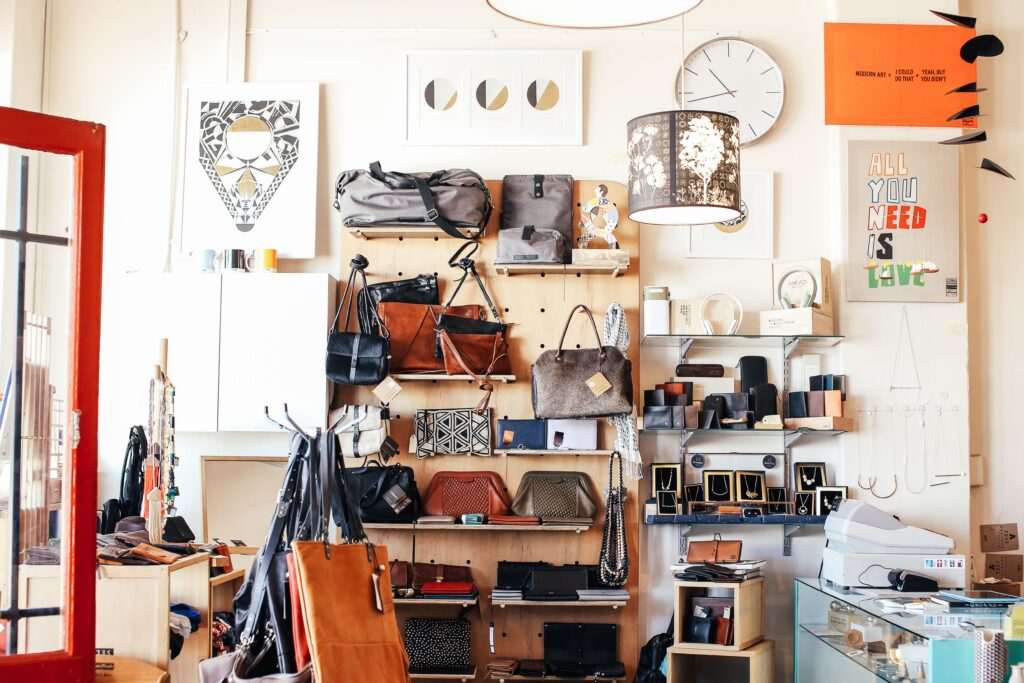
Anchorage is Alaska’s commercial center — the place where residents from across the state stock up on everything that can’t be found in smaller communities. For visitors, that concentration means genuine variety: downtown boutiques selling made-in-Alaska goods, outdoor gear outfitters with some of the best-equipped floors in the Pacific Northwest, a thriving summer market scene, and a handful of specialty stores that don’t exist anywhere else. There’s also no sales tax in Anchorage, which makes any purchase a quiet bonus. This guide covers where to shop, what to look for, and how to bring a piece of Alaska home.
Downtown: 4th Avenue and the Core
Downtown Anchorage’s retail is concentrated along 4th Avenue and the surrounding blocks between A and I Streets. The mix here skews toward Alaska-specific — souvenir shops, art galleries, and specialty stores — rather than national chains, which makes it a more interesting shopping corridor than its compact size might suggest.
The Alaska Ulu Factory on West Ship Creek Avenue is one of downtown’s most popular shopping stops. The ulu — a traditional Alaska Native curved blade used for everything from butchering fish to chopping vegetables — is one of the few Alaska souvenirs that is genuinely useful in a regular kitchen, and the factory showroom has examples at every price point, from functional everyday blades to presentation-quality pieces with decorated handles. The ulus are made on-site, and the staff explain the history and design in genuine detail. It’s also worth noting that the ulus sold here are actually made in Alaska, not imported — something that isn’t always true of ulu-shaped items sold in airport gift shops.
For Alaska Native art and high-quality crafts, the galleries along 4th Avenue carry beadwork, ivory carvings, woven baskets, and prints by Alaska Native artists. The quality and authenticity varies considerably between shops; look for the “Made in Alaska” polar bear symbol and, for Native-made items, the “Authentic Native Handicraft from Alaska” silver hand symbol, both state-certified indicators that tell you something meaningful about the item’s origin.
Wild Scoops, the Anchorage ice cream shop known for Alaska-flavored scoops — birch syrup, Steller sea salt, fireweed, spruce tip — is a good downtown stop that also functions as a local artisan showcase. The rotating seasonal menu is an easy way to taste something genuinely Alaskan in a low-stakes format.
5th Avenue Mall and Dimond Center
Anchorage has two major enclosed malls that serve as the main retail anchors for the Southcentral Alaska population.
The 5th Avenue Mall, right in downtown at 5th Avenue and A Street, is the more walkable option for visitors staying in the center city. It houses around 100 stores including anchor tenants Nordstrom and JCPenney, plus a food court and a full range of mid-market national retailers. The downtown location makes it easy to combine with a walking tour of 4th Avenue.
The Dimond Center, about 10 miles south in the Dimond District, is the larger of the two malls — a full regional shopping center with over 170 stores, a grocery anchor, restaurants, and entertainment facilities including a skating rink. If you need something specific that might not be at 5th Avenue, Dimond Center is the more comprehensive destination. It requires a car or a longer rideshare trip from downtown but is the closest thing Anchorage has to a full-scale regional mall.
Outdoor Gear
Anchorage is serious gear territory. The outdoor retailer presence here reflects a population that uses this equipment rather than just buys it.
REI has two Anchorage locations — the flagship at Northern Lights Boulevard in midtown and a second store near the Dimond Center. Both carry a full inventory of camping, hiking, paddling, and winter sports equipment, but the midtown store is the better-stocked option for unusual or specialty items. The staff at both locations typically have direct experience with Alaska’s backcountry, which makes the advice worth asking for.
Alaska Mountaineering and Hiking, on Spenard Road, is the specialist shop for serious alpinism and expedition equipment. The store stocks technical climbing hardware, glacier travel gear, and expedition-grade equipment that REI doesn’t carry — if you’re heading into the Alaska Range or planning a glacier route in Chugach State Park, this is the shop to visit. The staff are climbers with local route knowledge.
Prospector Outfitters on New Seward Highway specializes in Alaska hunting and fishing gear — waders, fly fishing equipment, and backcountry hunting supplies. For visitors planning river fishing trips or hoping to take home quality fishing equipment, this is the most focused retailer in the city.
Farmers Markets and Local Food
Anchorage’s summer market scene is concentrated in the warmer months and provides some of the best opportunities to take home genuinely local food products.
The Anchorage Midtown Farmers Market, running Wednesdays from June through September at the Lutheran Church parking lot on Denali Street, is the most locally-oriented of the city’s regular markets — a mix of produce from Mat-Su Valley farms, fermented foods, Alaska-made pantry items, and local baked goods. It’s smaller and more local in character than the Saturday Market, which makes it worth the visit for visitors who want to understand what Alaska’s short-season agriculture actually produces.
The Anchorage Market and Festival, open Saturdays and Sundays on 3rd Avenue from May through September, is the larger and more visitor-friendly option. The market combines food vendors, craft sellers, and artisan producers in a street festival format that draws thousands of people on weekend mornings. For food-specific purchases — smoked salmon, wild berry jams, birch syrup, reindeer sausage — the Saturday Market is the single most concentrated source in the city.
For local seafood to take home, 10th & M Seafoods in midtown Anchorage is the specialist option. The shop processes and packages fresh Alaska seafood — halibut, king and sockeye salmon, spot prawns — in vacuum-sealed, airline-checkable containers. Shipping live king crab or smoked salmon home from Anchorage is a genuine possibility; 10th & M handles the packaging and can advise on the logistics. It’s a reliable choice for visitors who want to bring back the real thing rather than a gift-shop version.
Grocery and Pantry Staples
Fred Meyer — the Alaska and Pacific Northwest grocery chain with multiple Anchorage locations — is worth a visit for pantry-sized Alaska-made products. The grocery sections at the Northern Lights Boulevard and Dimond Center locations stock a selection of Alaska-made condiments, jams, and pantry items that are harder to find outside the state: Kenai Caviar smoked salmon spreads, Alaska Smokehouse products, Kahiltna Birchworks birch syrup, and wild berry preserves from several small producers. These make practical gifts that hold up well in checked luggage and are typically less expensive here than at the airport.
Fire Island Rustic Bakeshop, with locations in Midtown and South Anchorage, is Anchorage’s most beloved local bakery — wood-fired breads, pastries, and granola made from local and regional grains. The granola and dry goods travel well and make a practical take-home item that represents Anchorage’s food culture accurately.
Alaska Furs
Alaska Fur Gallery on 4th Avenue is the destination for serious fur purchases — coats, hats, and accessories made from legally-harvested Alaska furs including beaver, mink, lynx, and fox. The prices reflect the quality and the provenance; these are substantial purchases for buyers who understand what they’re getting. The gallery has operated in Anchorage for decades and the staff can document the sourcing of any item. This is a market that requires some homework from buyers — Alaska Native-harvested furs have different regulatory status than commercially-ranched furs — but the gallery is set up to answer those questions.
Tips for Anchorage Shopping
No sales tax. Anchorage, like most Alaska municipalities, charges zero sales tax on retail purchases. For large-ticket items — outdoor gear, furs, electronics — this is a meaningful saving compared to purchases made in most US cities. Alaska’s exemption from state sales tax extends to online purchases shipped to an Alaska address in some cases as well.
Shipping seafood home. Most Anchorage seafood processors can package fish for airline travel or ship directly to the lower 48. Vacuum-sealed sockeye salmon travels well as checked luggage with a small cooler. King crab is heavier and more expensive to ship but is available for overnight freight delivery. The 5th Avenue Mall on 5th Avenue and A Street anchors the downtown shopping core and is a good base for exploring the specialty shops along 4th Avenue.
“Made in Alaska” labeling. The state of Alaska maintains two certification programs that protect buyers: the polar bear symbol for goods made in Alaska (but not necessarily by Alaska Natives) and the silver hand for authentic Native-made crafts. Both are worth understanding before purchasing anything marketed as “authentic Alaska.” Items sold without these marks — particularly mass-produced carvings and jewelry in airport shops — may be manufactured elsewhere.
Best shopping season. The Saturday Market runs May through September. Downtown boutiques and most specialty shops operate year-round, but staffing and hours are fuller in summer. Outdoor gear shops are busy from May through August but also see a secondary peak in October as winter gear season starts. The holiday season from Thanksgiving through New Year’s brings the city’s full retail energy to downtown, with extended hours and special events.
Featured photo by Zaval Cristi on Pexels.



No comments yet.