
Alaska Seaweed Harvesting 2026
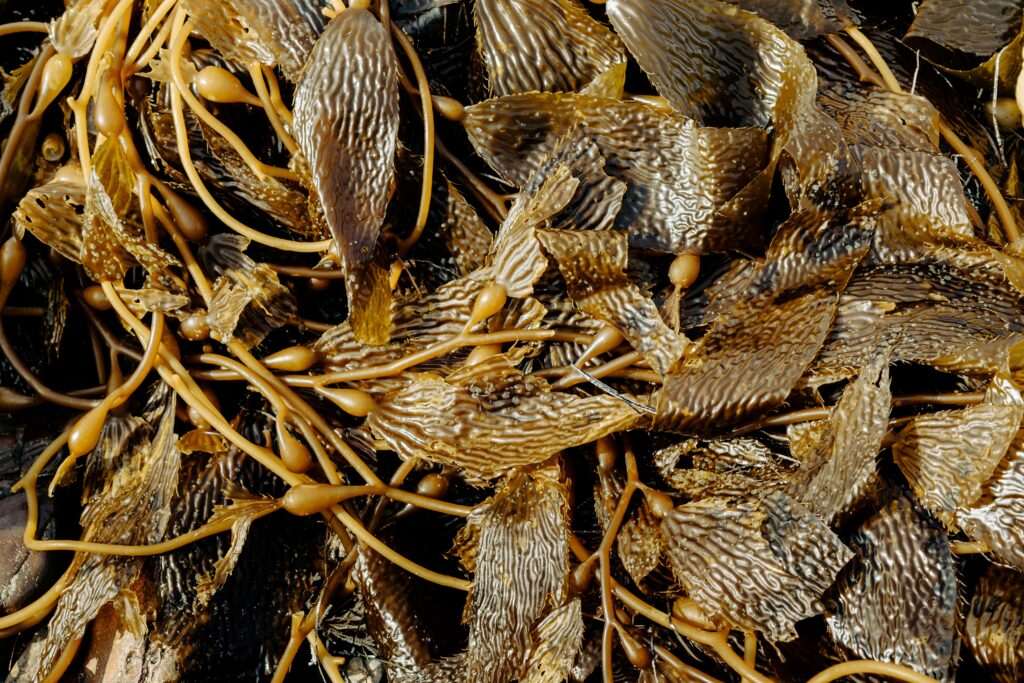
Alaska’s coastline produces some of the most nutritious and abundant wild seaweed in the world, and the waters accessible from Anchorage are no exception. Bull kelp forests grow in the coves and passages of Cook Inlet, Prince William Sound, and Kachemak Bay; ribbon kelp and bladderwrack line the tidal zones along the Kenai Peninsula coast; sea lettuce greens the rocky intertidal bands that visitors walk past on every beach hike without recognizing what they’re looking at. Seaweed harvesting has deep roots in Alaska Native coastal culture, and a growing community of foragers, home cooks, and culinary explorers is rediscovering these species as food. This guide covers where to harvest seaweed near Anchorage, which species to look for, how Alaska’s regulations work, and what to do with your harvest when you get home.
Why Alaska Seaweed?
Alaska’s cold, nutrient-rich waters support seaweed growth with higher mineral density than warmer coastal zones. Bull kelp (Nereocystis luetkeana) — the large canopy-forming kelp with the distinctive hollow stipe and float — grows in dense forests in the Gulf of Alaska and Prince William Sound, reaching 100 feet in length. Ribbon kelp (Alaria marginata), sometimes called winged kelp, grows in exposed intertidal zones and offers a flavor often compared to Japanese wakame. Sea lettuce (Ulva lactuca) colonizes rocky intertidal areas throughout Southcentral Alaska with its bright green fronds and mild, slightly sea-flavored taste. Bladderwrack (Fucus distichus) appears on sheltered beaches and tidal flats; it’s the seaweed with distinctive air pockets along its branching fronds.
All of these species are edible, legally harvestable for personal use under Alaska’s regulations, and actively growing throughout the tidal zones accessible to visitors with a day trip from Anchorage.
Alaska Seaweed Harvesting Regulations
Alaska’s personal use seaweed harvest falls under the Alaska Department of Fish and Game (ADF&G) regulations for marine plants. Key rules for 2026:
- Personal use harvest of seaweed (including kelp) is legal for Alaska residents and non-residents without a permit for quantities under specified limits — check the ADF&G Personal Use regulations (adfg.alaska.gov) for current limits by species and area.
- Harvesting must occur from publicly accessible tidal zones; private beach access requires landowner permission.
- Cutting rather than pulling is strongly recommended — severing the blade from the stipe allows the plant to regrow, while uprooting the holdfast destroys the individual.
- Commercial harvest requires a license from ADF&G; personal use harvest requires none.
The regulations protect both the harvester and the ecosystem. Seaweed beds serve as nursery habitat for salmon, halibut, and invertebrates that form the base of the same fisheries that define Alaska’s economy. Sustainable harvest — taking no more than a third of any individual plant — maintains bed productivity and doesn’t require enforcement to remain viable long-term.
Where to Harvest Near Anchorage
Kachemak Bay and Homer Spit
Kachemak Bay on the Kenai Peninsula, accessible by 4.5-hour drive south from Anchorage, offers some of the best seaweed foraging access in Southcentral Alaska. The low tides in Kachemak expose extensive intertidal zones with bull kelp, ribbon kelp, and sea lettuce in abundance. The Homer Spit area and the beaches across the bay near Halibut Cove and Kachemak Bay State Park provide access for foragers willing to explore rocky intertidal habitat. Our Homer day trip guide covers the drive from Anchorage, the Spit’s facilities, and the timing of the Kachemak Bay tide cycle.
Whittier and Prince William Sound
Whittier, 60 miles southeast of Anchorage through the Anton Anderson Tunnel, provides access to the western shores of Prince William Sound — one of the richest marine environments in North America. The shoreline accessible by foot from Whittier’s small boat harbor exposes kelp and intertidal seaweed species during low tides. Prince William Sound’s cold water and minimal boat traffic make its kelp beds some of the least impacted in the state.
Turnagain Arm
Turnagain Arm’s tidal flats south of Anchorage present a seaweed foraging opportunity that comes with important caveats. The arm’s extreme tidal bore — the second largest in North America — creates quickly flooding tide conditions that have trapped foragers in mud. The arm’s glacial silts also create quicksand-like conditions at low tide. Any foraging on Turnagain Arm tidal flats requires knowledge of tide schedules and extreme caution about returning to shore well before the tide turns. The risks here are real; many foragers prefer Kachemak Bay or Prince William Sound instead.
Cooking with Alaska Seaweed
Fresh-harvested seaweed needs rinsing with clean water to remove sand and invertebrates, then a decision: use fresh, dry for storage, or freeze. Dried seaweed stores for months and reconstitutes readily in liquid.
- Bull kelp: The thick stipe makes excellent pickles — slice crosswise into rounds and brine the same way you’d pickle cucumbers. The blade can be dried and used as a cooking wrap or reconstituted in soups.
- Ribbon kelp: Use as a wakame substitute in miso soup, seaweed salads, or as a dashi base. Fresh ribbon kelp turns brilliant green when briefly blanched in boiling water.
- Sea lettuce: The mildest of the local species — add fresh to salads, use dried as a seasoning, or toast into chips with a light oil coating.
- Bladderwrack: More strongly flavored; use dried as a stock ingredient or to mineralize soups and broths rather than eating directly.
Planning a Seaweed Foraging Trip
Successful seaweed harvest requires tidal planning. Low tide exposes the intertidal and shallow subtidal zones where most edible species grow; high tide covers them completely. A tide chart for your specific location is essential — NOAA publishes tide predictions for most Southcentral Alaska locations. Spring tides (near new and full moon) produce the lowest low tides and expose the most habitat. Bring a sharp knife or scissors, a mesh bag that allows water drainage, and rubber boots or waterproof footwear rated for rocky intertidal terrain.
The Alaska Public Lands Information Center on 4th Avenue maintains information about coastal access, tide information resources, and the relevant ADF&G regulation summaries for visitors planning a foraging trip.
The Turnagain Arm Bore Tide is a striking example of the tidal forces that shape Southcentral Alaska’s intertidal zones. The Tony Knowles Coastal Trail offers accessible coastal terrain for anyone combining a foraging trip with broader Anchorage exploration.
The Alaska Public Lands Information Center downtown can advise on current ADF&G regulations for seaweed harvesting seasons and coastal access before you head to the intertidal zones.
Photo by cottonbro studio on Pexels.



No comments yet.