
Perfect 3-Day Anchorage Itinerary 2026: What to Do, See & Eat
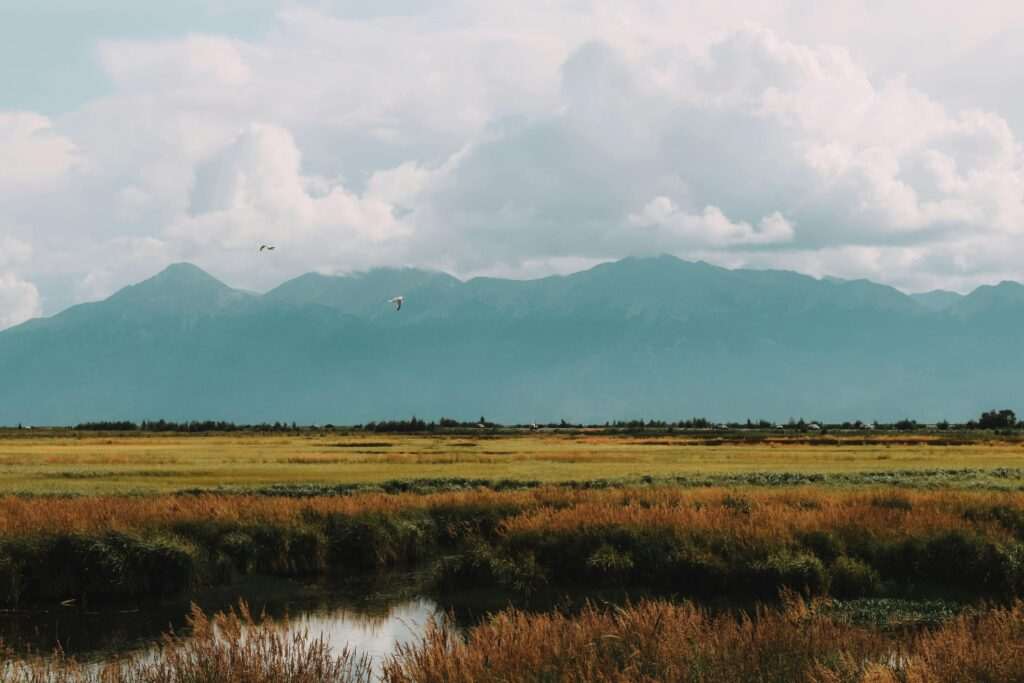
Three days is enough to get a real feel for Anchorage — not just the surface-level Alaska of gift shops and cruise ship stops, but the city’s genuine character: the trails starting within city limits, the wildlife showing up in unexpected places, the food rooted in what the land and water actually produce. This itinerary is built for first-time visitors who want to spend three days well. It covers the essential outdoor experiences, the most rewarding scenic drives within a tank of gas, the cultural sites that put everything in context, and the meals worth sitting down for. It requires a rental car for days two and three. Day one can be done without one.
Before You Arrive: Logistics and Getting Oriented
Ted Stevens Anchorage International Airport sits 6 miles from downtown — about 15 minutes by taxi or rideshare, or a rental car pickup right at the terminal. Most major rental companies operate from the airport, and a car is essential for the Seward Highway and Turnagain Arm drive on day two. If you’re arriving late and starting early, book your rental in advance: summer demand is high and same-day pickups regularly run short on vehicle availability.
Anchorage is more walkable than most Alaska cities. Day one’s itinerary — Flattop, the coastal trail, downtown — is manageable with a combination of rideshare and walking. Days two and three require a car. The city has no meaningful public transit to the trailheads or to Portage Glacier.
Cell coverage is reliable throughout Anchorage and along the Seward Highway to Portage. Download offline maps before heading out; coverage drops past Portage and along the Glenn Highway toward Matanuska Glacier if you extend your trip.
Where to Stay
Downtown Anchorage is the most practical base: walkable to Ship Creek, the Saturday Market, 4th Avenue restaurants, and the Alaska Railroad depot. The Hotel Captain Cook (4th Avenue) is the city’s landmark full-service hotel — understated Alaska luxury with Chugach views from upper floors. Mid-range options cluster in midtown along Northern Lights Boulevard, convenient to the airport and the major trailhead access roads. Budget travelers will find several well-reviewed independent hotels and chains in Spenard and near the airport corridor; they’re less walkable to downtown but add 10 to 15 minutes at most by rideshare.
Day 1 — City Orientation: Flattop, the Coastal Trail, and Downtown
Morning: Flattop Mountain
Start your first morning with Anchorage’s most iconic hike. Flattop Mountain rises to 3,510 feet at the end of a 1.5-mile trail from the Glen Alps Trailhead — a steady climb through boreal forest and subalpine tundra to an open summit with a 360-degree panorama: Cook Inlet to the west, the Alaska Range on the northern horizon, the Kenai Mountains to the south, and Anchorage spread across the coastal plain below. On a clear morning, Denali is visible from the summit, 130 miles away.
Allow 2 to 2.5 hours for the round trip at a comfortable pace. The trailhead is about 12 miles from downtown; rideshare is the easiest way up unless you’ve already picked up your rental car. Bring layers — the summit is typically 10 to 15 degrees cooler than the city, and wind is common even in summer. The trail is well-marked but steep in the final section; poles help on descent.
Midday: Lunch Downtown
Descend from Flattop and head into downtown for lunch. Anchorage’s downtown restaurant scene is concentrated along 4th and 5th Avenues. For a quick, characteristically Alaskan meal, the Saturday Market (open weekends, May through September) has food vendors running reindeer sausage carts, smoked salmon booths, and local bakeries — a $10 lunch that encapsulates the city’s food identity in a few bites. For a sit-down option, the cluster of restaurants between 4th Avenue and L Street covers everything from halibut fish and chips to Thai and Mexican, with a good representation of locally-owned spots.
Afternoon: Tony Knowles Coastal Trail
Spend the afternoon on the Tony Knowles Coastal Trail, Anchorage’s 11-mile waterfront path running from downtown to Kincaid Park along the edge of Cook Inlet’s tidal flats. You don’t need to walk the whole trail — the stretch from the western end of 2nd Avenue to Westchester Lagoon and back covers about 4 miles and takes 1.5 to 2 hours at a relaxed pace.
Westchester Lagoon, midway along this stretch, holds mallards, Canada geese, arctic terns, and a rotating cast of diving ducks through the summer. Bald eagles perch regularly in the large cottonwoods lining the path and are essentially guaranteed sightings. At low tide, the Cook Inlet mudflats extend out to the west in an otherworldly grey expanse; at high tide, the water pushes close to the trail’s edge. Beluga whales occasionally appear in the nearshore water below the trail in summer — keep an eye on the inlet as you walk.
Evening: 4th Avenue Dinner
Return downtown for dinner on 4th Avenue or the surrounding blocks. Orso (5th Avenue) is the right choice for a celebratory first-night Alaska seafood dinner — halibut, king crab, and local spot prawns prepared with care in a warm downtown setting. For something more casual, the Glacier Brewhouse on 5th Avenue offers house-brewed beer alongside a menu anchored in Alaska ingredients. Budget an evening walk along 4th Avenue after dinner; the street has Alaska-focused shops and the city’s energy is concentrated here in summer evenings well past 9 PM thanks to the long daylight hours.
Day 2 — Turnagain Arm: Seward Highway, Portage Glacier, and Potter Marsh
Morning: Seward Highway South
Leave Anchorage by 8 AM and head south on the Seward Highway. The road traces the edge of Turnagain Arm — a narrow glacially-carved fjord of Cook Inlet — immediately south of the city, and the first 50 miles rank among the most scenic drive corridors in North America. The highway runs directly on the shoreline below steep Chugach cliffs, with the water on one side and 1,000-foot rock faces on the other.
Stop at Beluga Point (mile 110) — the named pullout for Cook Inlet beluga whale viewing. The threatened Cook Inlet beluga population uses Turnagain Arm for summer feeding, and sightings are most common when salmon runs are active (June and July). Even without whales, the view down the arm from this pullout is exceptional. Continue past Bird Point (mile 96) for the broadest open sightline down the arm — a good place to observe the tidal bore, a wave of advancing water visible at the right tide stage, though the timing requires checking the daily tide chart in advance.
Midday: Portage Glacier
At mile 79, turn onto Portage Valley Road and drive 5 miles into the valley. Portage Glacier boat tours run from Portage Lake through the summer, bringing passengers close to the calving face of an active glacier — ice chunks the size of cars breaking off into the grey-blue water with a crack that carries across the lake. The boat tour takes about an hour. The surrounding valley, ringed by snow-covered peaks, is one of the most dramatic glacial landscapes accessible by road in Alaska.
After the glacier, the Alaska Wildlife Conservation Center on the Seward Highway (mile 80, just before the Portage junction on your return) is worth a 45-minute stop. Resident moose, bison, brown bears, musk ox, and caribou live in large natural enclosures along a paved loop road — the most reliable large-mammal viewing in Southcentral Alaska, and an excellent comparison point for the wild wildlife encounters you may or may not have had on the highway.
Afternoon: Potter Marsh and the Return
Drive back north along Turnagain Arm and stop at Potter Marsh (mile 117, just south of the city) for a 30-minute birding walk. The 1,500-foot boardwalk extends over a marsh that holds nesting trumpeter swans, arctic terns, and red-necked grebes through the summer — an easy introduction to Alaska’s birdlife if wildlife viewing is part of your trip’s interest.
Evening: Local Brewery
Back in Anchorage by late afternoon, clean up and head to 49th State Brewing at The Rail for dinner and a sampling of Alaska craft beer. The brewery’s seasonal releases use Alaska-specific ingredients — spruce tips from local forests, birch syrup from Interior Alaska birches, locally-grown hops — and the food menu includes halibut tacos, reindeer chili, and other Alaska-inflected pub food. It’s a large, lively space that reflects Anchorage’s own character more accurately than the tourist-facing downtown spots.
Day 3 — Culture and Farewell: Alaska Native Heritage, Ship Creek, and the Saturday Market
Morning: Alaska Native Heritage Center
Spend your final morning at the Alaska Native Heritage Center, northeast of downtown on the Glenn Highway. The center offers the most comprehensive introduction to Alaska’s Indigenous peoples available in the Anchorage area: exhibits on the Yup’ik, Athabascan, Tlingit, Aleut, Inupiaq, and other peoples of Alaska, with traditional dwellings, artifact collections, and cultural demonstrations by Alaska Native staff. Allow 2 to 3 hours. The center’s grounds include replicas of traditional community structures set around a lake, with guided walks through each in summer.
This stop contextualizes everything else in your trip — the wild foods you’ve eaten, the subsistence fishing culture visible at Ship Creek, the land use patterns that shaped the landscapes you’ve driven through. Coming here on day three, after two days of direct experience with Alaska’s geography, makes the cultural content land differently than it would on arrival day.
Midday: Ship Creek Salmon Viewing
Head back downtown to Ship Creek below the Alaska Railroad depot. If you’re visiting in June or July, king salmon are actively running in the creek — large fish visible in the clear water from the viewing platforms above the bank, and urban anglers lining both shores casting into one of the most unusual fishing holes in North America. Even without catching anything, watching a 30-pound king salmon surge past in a creek running through the industrial edge of downtown Anchorage is a quintessentially Alaskan moment that no other city produces.
The Anchorage Museum, a few blocks from Ship Creek on 7th Avenue, is the right midday stop if salmon season timing doesn’t align with your visit. The museum’s Alaska history and art collections are the best in the state — the permanent collection covers Alaska’s Indigenous cultures, the Gold Rush era, statehood, and contemporary Alaska through first-rate art and interpretive exhibits. Allow 2 hours.
Afternoon: Saturday Market and Souvenir Shopping
If your departure is in the evening and you’re in Anchorage on a weekend, the Anchorage Market and Festival (open Saturdays and Sundays, May through September) on downtown’s 3rd Avenue provides the most concentrated Alaska shopping and tasting experience in the city. Smoked salmon, wild berry jams, birch syrup, reindeer sausage, Alaska Native art, and handmade goods from local craftspeople fill a large outdoor market that captures the city’s character at its most accessible.
Evening: Farewell Dinner
End your Anchorage trip with a proper Alaska seafood dinner. Spenard Roadhouse, a few miles west of downtown, is a local favorite for its consistently executed menu of Pacific Northwest and Alaska-inflected comfort food in a warm, unpretentious setting. Alternatively, return to the downtown corridor and try something you haven’t yet — the city’s restaurant density in the 4th and 5th Avenue blocks means there’s always something new within walking distance of wherever you’re staying.
Packing Tips for 3 Days in Anchorage
Anchorage summer weather is famously variable: sunny and 65°F one afternoon, rainy and 50°F the next morning. Pack layers rather than heavy single garments. A waterproof shell is non-negotiable — a light rain jacket that compresses into a daypack pocket covers most situations. Merino wool mid-layers regulate better than cotton in wet conditions. For Flattop and the coastal trail, trail runners or light hiking boots work well; waterproof footwear helps on the boardwalk at Potter Marsh in wet conditions.
Sunscreen matters more than most visitors expect: Alaska summer UV is significant, and the long daylight hours mean extended outdoor exposure. Bring sunscreen rated SPF 30 or higher. Insect repellent is useful in the boreal sections of Chugach State Park and along the marshy areas of Turnagain Arm, less so in downtown or on exposed ridges.
For wildlife viewing, bring binoculars. A basic 8×42 pair fits in a daypack and transforms whale watching at Beluga Point, birding at Potter Marsh, and sheep spotting on the Turnagain Arm cliffs from a guessing game into clear observation.
No comments yet.