
Alaska Glacier & Wildlife Cruises from Anchorage 2026 — Kenai Fjords, Prince William Sound & More
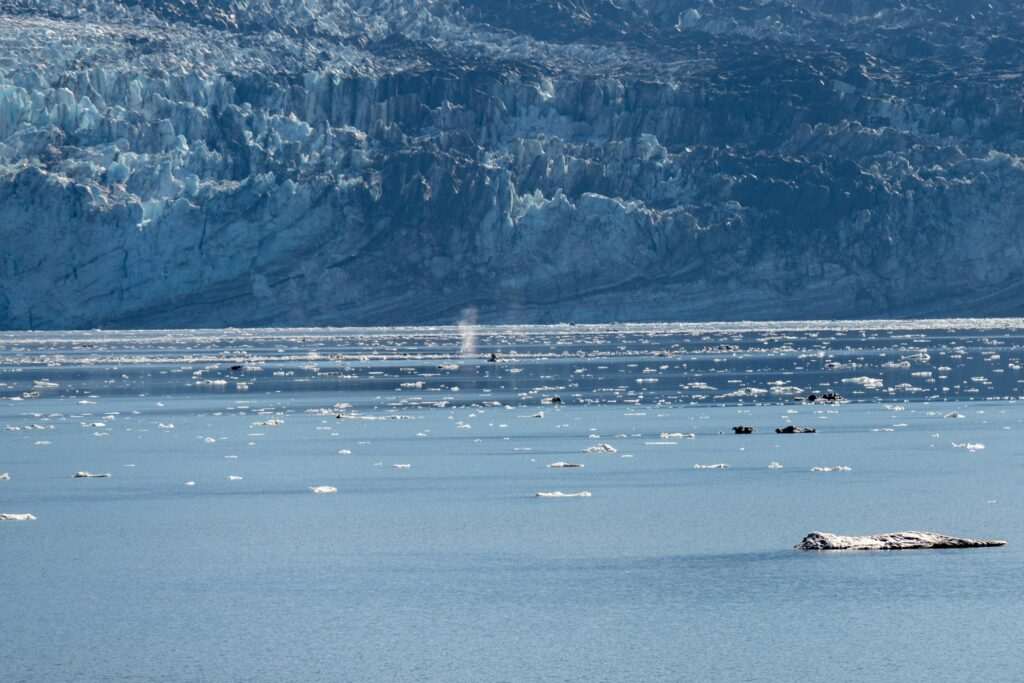
Alaska’s most spectacular scenery is not on land — it is visible from the water. Tidewater glaciers that calve directly into the sea, fjord walls rising thousands of feet from the waterline, and ocean corridors packed with marine wildlife are all features that only a glacier cruise can properly deliver. From Anchorage, two of the most renowned cruising destinations in the world are reachable within a single day: Kenai Fjords National Park to the south and Prince William Sound to the east. A third, lower-key option — Turnagain Arm — sits practically at Anchorage’s back door. This guide covers each route, what to expect on the water, and how to plan your visit.
Kenai Fjords National Park — Departing from Seward
Seward, about 125 miles south of Anchorage via the Seward Highway, is the hub for Kenai Fjords National Park boat tours — widely considered among the finest wildlife and glacier viewing experiences available anywhere in North America. Day cruise boats depart from Seward’s Small Boat Harbor throughout summer and run tours ranging from a 3.5-hour Resurrection Bay loop to an 8–9 hour National Park cruise that reaches the remote outer fjords and the Northwestern Fjord glacier complex.
The full-day national park tour is the definitive experience. It passes multiple tidewater glacier faces — active calving fronts where boat captains position the vessel close enough for passengers to hear ice crack and watch car-sized chunks fall into the water. Wildlife encounters are dense: Steller sea lion rookeries hold hundreds of animals in boisterous, pungent masses on offshore rocks; humpback whales are common from June through September; orcas appear regularly in Resurrection Bay and the outer fjords; and tufted puffins, horned puffins, and common murres nest in cliff colonies that can hold tens of thousands of birds during peak breeding season.
Kenai Fjords Tours and Major Marine Tours are the primary operators, running multiple departure times daily in peak season. Full-day tours run approximately $200–$230 per adult as of 2026. Lunch is typically included or available for purchase aboard. Book well in advance — July weekends sell out weeks ahead of departure.
The drive south from Anchorage to Seward is itself scenic. Portage Valley passes by the terminus of Portage Glacier and the entrance to the Whittier tunnel. The Alaska Wildlife Conservation Center sits right along this route at mile 79 of the Seward Highway — a practical first stop for visitors who want to see Alaska’s megafauna (brown bears, moose, muskox, bison) at close range before heading to Seward for the marine experience.
Prince William Sound — Departing from Whittier
Whittier, reached through the 2.5-mile Anton Anderson Memorial Tunnel about 60 miles southeast of Anchorage, opens onto the western margin of Prince William Sound — a sheltered inland sea that most visitors to Alaska never properly explore. The Sound is protected from open Pacific swells by the Kenai Mountains and Montague Island, which creates calmer conditions than the outer Kenai Fjords coast and a more intimate cruising environment. For travelers prone to seasickness or those traveling with young children, Prince William Sound cruises are often the more comfortable choice.
The signature experience is Phillips Cruises & Tours’ 26 Glacier Cruise, a high-speed catamaran tour that covers College Fjord and Blackstone Bay in approximately 4.5 hours. College Fjord is extraordinarily glacier-dense — more named tidewater glaciers line its walls than anywhere else in North America. The fjord was explored by the Harriman Expedition in 1899; expedition members named each glacier after an Ivy League or Seven Sisters college, which is why Harvard Glacier, Yale Glacier, and Wellesley Glacier now calve side by side into the same fjord. The effect from water level is vertiginous — ice-blue glacier faces alternating with vertical rock walls on both sides of a channel barely a mile wide.
Blackstone Bay, also covered on most Prince William Sound day tours, offers active calving glaciers and excellent habitat for Dall’s porpoise, harbor seals hauled out on ice floes, and mountain goats on the surrounding cliffs. Wildlife density on Prince William Sound tours is generally somewhat lower than Kenai Fjords, but the calmer water and College Fjord’s glacier concentration make it the preferred choice for many photography-oriented visitors.
Whittier is reached via the Portage Valley road; the tunnel runs on an alternating schedule, so check the portal timing before departure to avoid long waits. The area around Portage Valley — through which the Chugach State Park extends — offers its own scenic interest on the drive, with the Portage Glacier visible from a roadside visitor center just before the tunnel entrance.
Turnagain Arm — Closest to Anchorage
Turnagain Arm extends directly south from Anchorage along the Seward Highway, and while it does not support the same scale of cruise operation as Kenai Fjords or Prince William Sound, it offers two remarkable spectacles that neither of those destinations can match. The first is the bore tide — an advancing wave of tidal water that surges up the arm when incoming tides funnel into the narrowing channel. Tidal fluctuations in the arm reach up to 40 feet, and the resulting bore tide is visible from several roadside pull-outs. The second is beluga whale feeding: Cook Inlet belugas concentrate in the arm’s shallow mudflats to intercept salmon runs from July through October, with peak viewing usually in August.
Small charter operators offer wildlife viewing excursions on Turnagain Arm during the beluga season. These are shorter (two to three hours) and more affordable than the full-day Kenai Fjords or Prince William Sound tours. They suit visitors with limited time, those adding a marine wildlife component to an otherwise land-based itinerary, or families looking for a half-day outing closer to Anchorage.
Comparing Your Options
- Kenai Fjords (Seward): 8–9 hour full-day tour, highest marine wildlife density, active calving glaciers, open-water conditions possible. Best for wildlife enthusiasts. ~2.5 hours from Anchorage by car.
- Prince William Sound (Whittier): 4.5-hour catamaran tour, protected inland sea, unmatched glacier concentration in College Fjord, calmer water. Best for glacier photography and motion-sensitive travelers. ~60–75 minutes from Anchorage.
- Turnagain Arm: 2–3 hour charter, beluga whale focus, bore tide context, closest to Anchorage. Best as a half-day add-on in July–August. Under 30 minutes from downtown Anchorage.
What Wildlife to Expect
Across all three destinations, Alaska’s marine wildlife is the shared draw. Sea otters float in kelp rafts in Resurrection Bay and the outer Sound. Harbor seals haul out on ice floes near glacier faces — the heat differential between ice and dark water concentrates fish near calving fronts, making ice floes reliable seal-spotting zones. Humpback whales breach and lunge-feed through open water, particularly in the passages between the outer Kenai Fjords islands. Orcas patrol both Kenai Fjords and Prince William Sound year-round; transient orcas that prey on marine mammals are unpredictable in timing but spectacular when encountered. Steller sea lions gather at exposed rock rookeries in numbers that can only be described as overwhelming — a colony of 500 adult sea lions in full voice is an experience that never quite translates to description.
Practical Planning Tips
Book cruise tickets as early as possible for July and August. The best departure times on major operators sell out weeks in advance during peak season. Shoulder season (May–June and September) offers more availability, lower prices, and often better wildlife viewing with less boat traffic disturbing animals.
Dress in waterproof layers regardless of the forecast. Temperatures on the water run 10–15°F colder than onshore, and wind on open decks amplifies this. A waterproof shell, mid-layer fleece, warm hat, and gloves are minimum kit for any Alaska boat tour, including in July. Seasick medication should be taken before departure, not after symptoms begin — keep this in mind especially for Kenai Fjords outer coast tours on rough-weather days.
Visitors based in Anchorage who want a coastal preview before their cruise departure will find the Westchester Lagoon a pleasant early-morning option — a tidal lagoon near downtown where ducks, gulls, and occasional shorebirds gather, offering a low-key introduction to the coastal birdlife of Southcentral Alaska before seeing it at full scale from a boat deck.
Frequently Asked Questions
Which is better — Kenai Fjords or Prince William Sound? Both are world-class. Kenai Fjords offers more marine wildlife density; Prince William Sound offers calmer water and more glaciers in a single fjord. Many repeat visitors do both on separate trips. First-timers who can only choose one often pick Kenai Fjords for the full Alaska wildlife experience, but those sensitive to open-water conditions often prefer Prince William Sound.
How far is Whittier from Anchorage? About 60 miles and 60–75 minutes by car, depending on the Anton Anderson Memorial Tunnel schedule. The tunnel alternates direction — check portal timing before leaving Anchorage, as the wait can add 20–30 minutes if you arrive between cycles.
Are Alaska sightseeing cruises family-friendly? Yes. Most operators welcome children and offer reduced-price tickets. For families with young children, the shorter Prince William Sound tours and the Resurrection Bay half-day loop from Seward are better fits than the full 8–9 hour national park tour.
When should I book Alaska cruise tours? As soon as you confirm travel dates. July and August peak-season dates at major operators fill weeks in advance. For September shoulder-season dates, one to two weeks ahead is usually sufficient, though booking earlier is always safer.

No comments yet.