
Alaska Culinary Experiences in Anchorage 2026: Cooking Classes, Food Tours & Local Cuisine
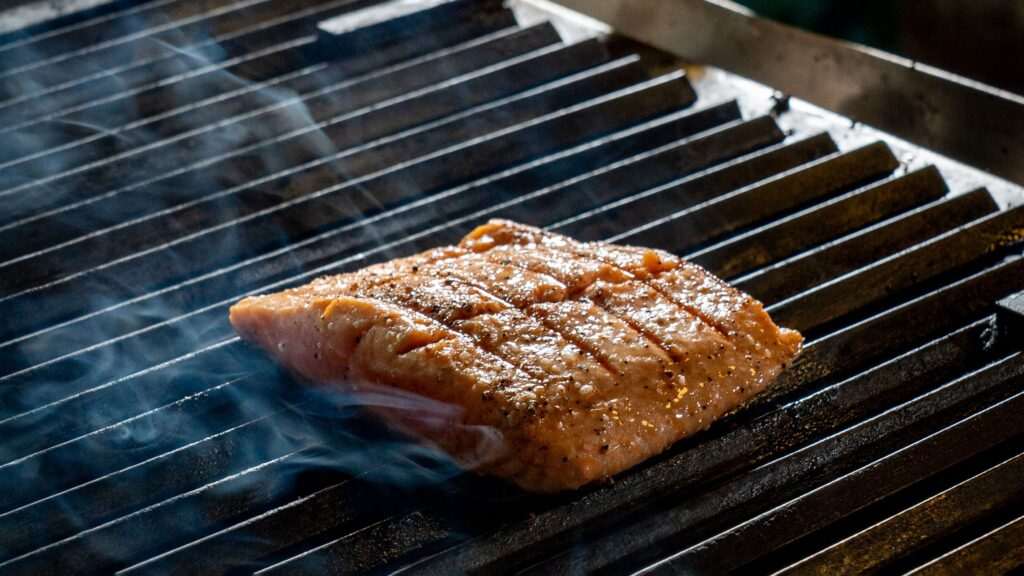
Alaska has one of the most distinctive food cultures in North America — shaped by geography, season, Indigenous traditions, and an abundance of wild protein that most of the lower 48 never encounters fresh. King crab pulled from the Bering Sea, wild salmon smoked over alder, reindeer sausage grilled at a downtown cart, fiddlehead ferns foraged from a Chugach creek valley — the ingredients available in and around Anchorage define a cuisine that can’t be replicated anywhere else. This guide covers everything from cooking classes and food tours to farmers markets, top seafood restaurants, and how to bring Alaska flavors home.
Alaska Food Culture: The Foundation
Alaska’s food traditions run deeper than its restaurant scene. The state’s Indigenous peoples — Yup’ik, Athabascan, Aleut, Tlingit, Inupiaq, and others — developed sophisticated food preservation and preparation methods across thousands of years in a landscape that offered no margin for waste. Dried salmon, fermented halibut heads, seal oil, akutaq (a blend of fat, berries, and fish sometimes called Eskimo ice cream), and muktuk (frozen whale skin and blubber) are not exotic relics: they remain active parts of subsistence culture across the state and in Anchorage’s Alaska Native communities today.
Layered over this foundation is the bounty of the commercial and sport fishing economy: wild-caught king salmon, sockeye, halibut, Dungeness and king crab, spot prawns, and Pacific cod. Alaska’s cold, clean waters produce seafood with flavor profiles that farmed fish simply don’t match. Anchorage sits at the intersection of this abundance — close enough to Cook Inlet, Prince William Sound, and the Kenai Peninsula that fresh catches reach the city’s markets, restaurants, and docks daily throughout the season.
Cooking Classes: Learning to Prepare Alaska Seafood
Several Anchorage operators and local guides run informal and structured cooking sessions focused on Alaska’s signature ingredients. The most common format is a hands-on salmon preparation class — filleting, brining, and smoking whole sockeye or king salmon — often run through fishing charter operators or wilderness guiding companies who teach what they actually do with their own catches. These sessions typically run 2 to 3 hours and include a meal of what you’ve prepared.
Halibut preparation — cleaning, portioning, and pan-frying or smoking — follows a similar format. Halibut is one of Alaska’s most versatile fish; it takes well to a wide range of preparations, from simple butter basting to Pacific Rim glazes. Cooking classes that start with a halibut fresh off a charter boat offer an integrated experience: you catch it, you learn to break it down, you eat it. Look for this type of combination offering through charter fishing operators in the Seward or Homer area, or ask at the Anchorage Midtown Farmers Market where local vendors sometimes organize informal demonstrations.
For visitors more interested in observing than participating, several Anchorage restaurants offer occasional chef’s table experiences and open kitchen dinners that feature local sourcing and technique explanations. These vary by season and advance availability — contact restaurants directly rather than relying on third-party booking platforms, which often don’t list these formats.
Alaska King Crab and Dungeness Crab
King crab — specifically red king crab from the Bering Sea — is Alaska’s signature luxury seafood. The legs are large enough that a single cluster makes a meal; the meat is sweet, firm, and unlike anything in the Atlantic crab world. In Anchorage, king crab is available year-round at the city’s better seafood restaurants, though freshness varies with season. The best window for fresh (not frozen) king crab is fall through winter, when commercial crabbing is active. Summer visitors will typically encounter previously-frozen king crab, which is still excellent.
Dungeness crab is the more approachable alternative — smaller than king crab, still exceptional, and available fresh from Kodiak Island and Prince William Sound throughout the warmer months. Spot prawns, often overlooked in favor of king crab, are arguably the most delicious crustacean Alaska produces: sweet, large, and nothing like Atlantic shrimp. They’re available fresh in season at the Anchorage seafood markets and at select restaurants.
For crab and seafood prepared simply and without ceremony, the waterfront at Seward — an easy day trip down the Seward Highway — has dockside operations that sell direct from the boat. This is the most direct version of Alaska seafood eating: purchased from the people who caught it, an hour from the water.
Wild Salmon: The Essential Alaska Ingredient
Five species of Pacific salmon run Alaska’s rivers: king (chinook), sockeye (red), coho (silver), pink (humpy), and chum (keta). Each has a distinct flavor profile and fat content. King salmon is the richest and most prized — firm, deeply red, with fat marbling that holds up to high-heat grilling. Sockeye is leaner with intense color and strong flavor. Coho is milder and more versatile. The difference between wild Alaska salmon and farmed Atlantic salmon is not subtle; the wild fish has more character in every direction.
In summer, Anchorage residents fish for salmon directly in the city. Ship Creek, running through downtown Anchorage below the Alaska Railroad depot, hosts king salmon runs in June and July that draw urban anglers to the banks within walking distance of downtown hotels. Watching someone pull a 30-pound king from a creek in the shadow of office buildings is one of Anchorage’s most characteristically Alaskan experiences.
For visitors who want to participate in salmon fishing rather than just watch, charter operations on the Kenai River and Cook Inlet run guided salmon fishing trips accessible as day trips from Anchorage. The fish you catch can typically be cleaned, vacuum-sealed, and transported home or shipped by the charter operation — a deeply Alaska experience that ends with your own salmon in your freezer.
Reindeer Sausage: Anchorage’s Street Food Icon
Reindeer sausage is Anchorage’s most distinctive street food: a coarse-ground sausage made from reindeer meat, typically served in a hoagie bun with grilled onions and mustard from a cart or booth. The taste is somewhere between beef and pork with a slightly gamey depth — richer than either, not strong enough to put off anyone who eats good-quality charcuterie. The Anchorage Saturday market and various food cart locations around downtown operate reindeer sausage vendors throughout the summer.
Reindeer in Alaska are domesticated caribou, farmed primarily on the Seward Peninsula by Alaska Native herders with deep cultural ties to the animal. Buying a reindeer sausage in Anchorage directly supports this farming tradition. The sausage is also available in vacuum-sealed packages at grocery stores and specialty food shops for visitors who want to bring it home.
Foraging and Wild Food Culture
Alaska’s brief but intense summer produces an abundance of wild foods beyond salmon and crab. Fiddlehead ferns emerge from creek banks in May and June and are harvested by locals for sautéing with butter — a fleeting seasonal delicacy. Wild blueberries, crowberries, lingonberries (lowbush cranberries), cloudberries (akala in Yup’ik), and salmonberries ripen across the tundra and forest edges from late July through August. Rose hips — the fruit of the wild rose, available in fall — are high in vitamin C and used for tea and jams.
The Blueberry Festival in Girdwood, held in August about 40 miles south of Anchorage, is the most accessible entry point into wild berry culture: dozens of vendors sell wild berry products, live music, and foraging demonstrations converge for a weekend that feels entirely Alaskan. The surrounding forests and meadows of the Chugach National Forest produce the blueberries that anchor the festival.
Guided foraging walks are available through several outdoor companies in the Anchorage area — typically half-day experiences that cover plant identification, responsible harvesting, and preparation. These tours are most productive in August, when multiple species are simultaneously ripe and the forests around Anchorage are at their most productive.
Alaska Native Traditional Foods
Understanding Alaska’s food culture requires engaging with its Indigenous foundations. Alaska Native traditional foods are not museum artifacts — they remain central to the food sovereignty, cultural identity, and practical nutrition of Alaska Native communities across the state. In Anchorage, which has one of the largest urban Alaska Native populations in the state, these foods are accessible in several contexts.
Akutaq — sometimes translated as “Eskimo ice cream” — is a traditional food made from whipped fat (historically caribou tallow or seal oil), berries, and sometimes fish. Modern versions often substitute Crisco for traditional fat, making them more accessible but somewhat different from the original. Dried salmon — fish dried over racks in the open air or by a smoker — is one of the most commonly encountered traditional preserved foods and is available at Alaska Native cultural events and some specialty markets.
The Alaska Native Heritage Center, located northeast of downtown Anchorage, offers cultural programs that include demonstrations of traditional food preparation alongside exhibits on Alaska Native history, art, and ways of life. It is the most comprehensive single resource for understanding Alaska’s Indigenous food traditions in an urban context, and visiting before or after exploring Anchorage’s restaurant and market scene adds essential depth to what you eat and where it comes from.
Food Tours of Anchorage
Guided food tours in Anchorage are a compact way to sample the city’s culinary range in a few hours — covering several restaurants or food producers in a single guided walk with the context of a local guide who knows the sourcing, the preparation, and the stories behind each stop. Tours typically include 4 to 6 stops spanning seafood, local produce, and Alaska specialty foods, plus a brewery or distillery component.
The most productive food tour routes cover the downtown corridor between Ship Creek and the Saturday market area, passing through the neighborhood’s mix of Alaska-owned restaurants, specialty food shops, and market vendors. For visitors with limited time, a 3-hour food tour covers more ground than a single restaurant visit and provides a better introduction to the full range of Alaska food culture in the city.
Farmers Markets in Anchorage
The Anchorage Midtown Farmers Market operates through the summer season with a rotating roster of local vendors selling vegetables, herbs, jams and preserves, smoked fish, baked goods, and prepared foods. Alaska’s long summer days produce vegetables of unusual size and sweetness — the cabbages, kale, and root vegetables grown under 20 hours of daylight in the Mat-Su Valley develop concentrations of sugars and nutrients that make them taste noticeably different from store equivalents.
The Anchorage Market and Festival, operating on weekends from May through September in the downtown parking lot near 3rd Avenue, combines food vendors with arts, crafts, and live entertainment. The food vendor mix includes reindeer sausage, smoked salmon, wild berry products, birch syrup, and a variety of prepared foods representing Anchorage’s multicultural population. Saturday mornings here, with a coffee and a reindeer sausage, offer one of the best introductions to the city’s food culture for a first-time visitor.
Best Seafood Restaurants for an Alaska Dining Experience
Orso on 5th Avenue is one of Anchorage’s most reliable fine dining destinations for Alaska seafood — halibut, salmon, crab, and spot prawns prepared with Mediterranean and Pacific influences in a downtown setting. The menu changes with availability; the halibut preparations are consistently among the best in the city. Reservations are recommended for summer evenings.
Pearl is a well-regarded Anchorage restaurant with a locally-focused menu that features Alaska seafood and game alongside produce from the Mat-Su Valley. The atmosphere is more casual than Orso, and the menu leans toward comfort food preparations that let the quality of the ingredients speak without elaborate technique. Both restaurants represent the better end of Anchorage’s food scene and are worth a reservation for a sit-down Alaska seafood meal.
49th State Brewing at The Rail combines craft brewing with an Alaska-focused food menu in a large, lively space near downtown. The beer list focuses on Alaska ingredients — spruce tips, birch syrup, and local hop varieties appear in seasonal releases — and the food menu incorporates reindeer, salmon, and local seafood alongside the expected pub fare. It’s the right venue for a casual group meal that covers the breadth of Alaska’s food culture without the formality of a fine dining booking.
Shipping Alaska Seafood Home
One of the best Anchorage food experiences available to visitors is leaving with seafood. Several operations in the city and in Seward offer vacuum-sealing, flash-freezing, and shipping services for visitor-caught or purchased fish. King crab, smoked salmon, halibut, and spot prawns all ship well and arrive in excellent condition when properly frozen.
The most popular option for visitors who want to ship purchased (rather than caught) seafood is through the specialty shops at the Anchorage airport — both 10th and Main Seafoods and several airport concession operators sell vacuum-sealed wild Alaska salmon and king crab specifically packaged for carry-on or checked baggage transport. These are pricier than buying directly from a processor, but the convenience of airport pickup on departure day is worth the premium for visitors who don’t want to manage frozen product through their itinerary.
For larger orders or charter-caught fish, Anchorage and Seward-based processors will ship direct to your home address. Plan at least a week lead time in summer, when processor capacity is stretched by commercial catch volumes. Smoked salmon in vacuum-sealed packaging can be shipped at standard temperature (no ice required) and makes one of the most compact and practical Alaska souvenirs available.

No comments yet.