
Accessible Anchorage 2026: Wheelchair-Friendly Activities, Trails & Visitor Tips
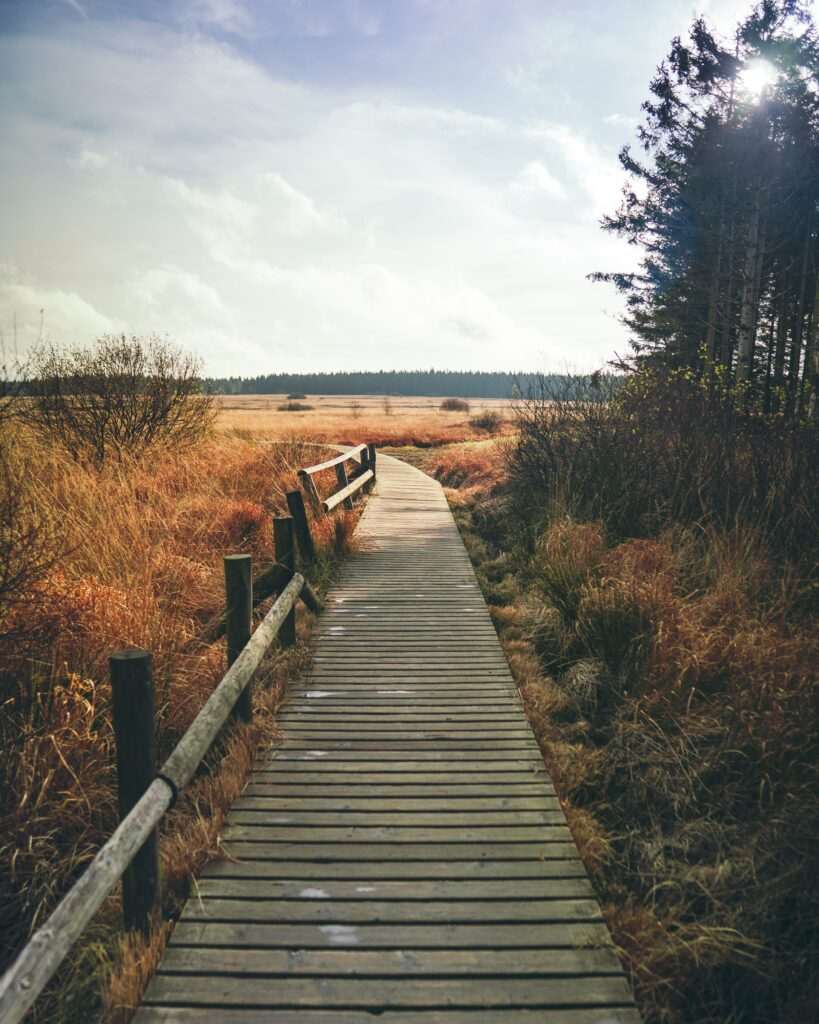
Anchorage is a more accessible city than many visitors expect. The flat coastal terrain of downtown and the Coastal Trail corridor makes a meaningful portion of the city’s best outdoor spaces genuinely navigable for wheelchair users and travelers with mobility limitations. That said, it’s a city built for an active, able-bodied population in a terrain that turns rugged fast — honest planning saves significant frustration. This guide covers what’s accessible in Anchorage in 2026, what the limitations are, and how to make the most of a visit with mobility considerations.
Tony Knowles Coastal Trail: Anchorage’s Most Accessible Outdoor Experience
The Tony Knowles Coastal Trail is 11 miles of paved, mostly flat pathway running along Cook Inlet from downtown Anchorage south toward Kincaid Park. For wheelchair users and visitors with mobility limitations, this is the single best outdoor asset the city has — a wide, well-maintained paved surface with consistent grade, outstanding views of Cook Inlet and the Alaska Range, and multiple accessible entry and parking points.
The most accessible segments are the central and northern sections, which run through Westchester Lagoon and along the inlet bluff. Surface conditions are generally good from late April through October; the city maintains the trail well and it’s used year-round. Summer evenings on the Coastal Trail — with Denali visible on clear days across Cook Inlet — offer one of the best outdoor experiences Anchorage can provide, accessible to anyone who can manage a paved, flat path.
Parking with accessible spaces is available at Westchester Lagoon (midpoint), at the Elderberry Park trailhead downtown, and at the Fish Creek trailhead. Trail width accommodates standard wheelchairs comfortably throughout the main corridor.
Anchorage Museum: Fully Accessible and Worth the Time
The Anchorage Museum is one of the most thoughtfully accessible attractions in Southcentral Alaska. The building is fully ADA-compliant with elevator access between all floors, wide doorways throughout, accessible restrooms on each level, and no steps between exhibit areas. The museum covers Alaska history, art, and science across multiple floors — it’s a full half-day visit for serious visitors and an hour-long overview for those moving through the city quickly.
Parking is available in an attached structure with accessible spaces close to the main entrance. The museum is located in downtown Anchorage within a short, flat walk of several accessible hotels. For visitors whose mobility limits their outdoor time, the museum offers a genuinely high-quality and fully accessible experience that requires no special arrangements — arrive, pay admission, and the building is navigable throughout.
Alaska Native Heritage Center: Grounds and Gallery
The Alaska Native Heritage Center covers both an indoor gallery space and a significant outdoor walkway connecting traditional village exhibits. The indoor Ch’k’iqadi Gallery is fully accessible with paved entries and level floors. The outdoor walking path connecting the village exhibits is paved and reasonably level, though some sections require more effort on a manual wheelchair — a companion for those sections is helpful. The total outdoor loop is approximately one mile.
The Heritage Center is located in East Anchorage with dedicated accessible parking near the main entrance. Call ahead to confirm current outdoor path conditions during your visit — the Center maintains the paths actively but post-winter repairs can affect sections in early season.
Earthquake Park: Accessible Paved Path with Interpretive Signage
The Earthquake Park Trail offers one of the more unique accessible outdoor experiences in Anchorage — a flat, paved interpretive path through a park that documents the landscape transformation from the 1964 Good Friday Earthquake. The paved main path is wheelchair-accessible, the interpretive signs are positioned for seated readers, and the setting provides views over Cook Inlet. It’s a 20-30 minute accessible stop that works well combined with a Coastal Trail visit, since the park connects directly to the trail near its northern terminus.
Accessible parking is available at the main lot off Northern Lights Boulevard. The site is managed by the Municipality of Anchorage and maintained through the summer season.
Downtown Anchorage: Flat Streets and Accessible Infrastructure
Downtown Anchorage’s street grid is flat and reasonably accessible. The primary pedestrian streets — 4th Avenue, 5th Avenue, and the connecting cross streets — have curb cuts at intersections and adequate sidewalk widths. The outdoor Saturday Market at 3rd Avenue operates from late May through September, with vendors set up on pavement that’s accessible to most mobility equipment.
The flattest and most wheelchair-friendly zone extends from the Ship Creek overlook area south through the downtown core to Delaney Park Strip. Several blocks in this corridor require no significant elevation changes. The main caveat is that some older downtown sidewalks have uneven surfaces that require care — the primary commercial streets are in better condition than the residential side streets.
Wildlife Viewing: Potter Marsh and Kincaid
The Potter Marsh Bird Sanctuary, south of Anchorage on the Seward Highway, features a long boardwalk over the marsh that is accessible to most standard wheelchairs. The boardwalk is level and paved, with views of waterfowl, shorebirds, and occasional brown bear activity in the surrounding area. Potter Marsh is the best accessible wildlife viewing location near Anchorage — the boardwalk puts visitors at eye level with the marsh habitat without requiring any hiking. Parking is free and accessible spaces are marked at the main lot.
At Kincaid Park, the area around the chalet/winter sports center has paved surfaces and accessible restrooms, with views out toward Cook Inlet. The ski trails in summer become walking/cycling paths that include some paved and some unpaved surfaces — accessible sections are concentrated near the chalet rather than on the outlying trail network.
Alaska Railroad: Accessible Train Travel
The Alaska Railroad operates with accessibility accommodations for passengers with mobility needs. The Anchorage depot is accessible with level boarding options, and the railroad can accommodate manual wheelchairs in the passenger cars. For visitors wanting a scenic Anchorage-to-Seward or Anchorage-to-Fairbanks rail experience without the physical demands of Alaska hiking, the railroad provides a genuinely accessible way to see Alaska’s interior landscape.
Contact the railroad directly when booking to confirm current accessibility arrangements — the company accommodates mobility equipment and can arrange seating near accessible boarding points. The route between Anchorage and Seward offers some of the most dramatic scenery in the state and is a practical way to extend an accessible Anchorage visit toward the Kenai Peninsula.
Accessible Tours and Tour Operators
Several Anchorage-area tour operators can accommodate wheelchair users and mobility-limited visitors. The most reliably accessible format is vehicle-based sightseeing — narrated city tours or wildlife viewing drives in vans or buses don’t require walking and cover a significant amount of ground. Ask operators specifically whether their vehicles have ramp or lift access and whether drivers assist with boarding.
Boat tours out of Anchorage and Seward vary in accessibility; most larger tour vessels have accessible boarding with assistance at the gangway, but confirm before booking. Floatplane tours require a step-up entry that most mobility-limited visitors can manage with assistance — the seating inside is fixed and there’s no walking involved during flight. Discuss your specific needs directly with the operator at the time of booking rather than assuming accessibility based on general descriptions.
Hotel Accessibility in Anchorage
Anchorage’s major hotels are generally ADA-compliant with accessible rooms on lower floors, roll-in showers on request, and covered accessible parking. The most accessible hotel locations for visitors who want to minimize driving are in the downtown corridor — properties near 4th and 5th Avenue put guests within flat walking distance of the Museum, the Saturday Market, and Coastal Trail access at Elderberry Park.
When booking, confirm specifics rather than relying on general ADA descriptions: ask whether the accessible room has a roll-in shower or grab bars and transfer bench, whether the accessible parking spaces are covered or exposed (significant in Anchorage weather), and whether ground-floor rooms are available if elevator reliability is a concern. Most major chain properties perform well; boutique hotels vary.
Transportation: Getting Around Anchorage with Mobility Needs
Anchorage’s public transit (People Mover buses) is fully accessible with low-floor buses and kneeling capability at stops. However, the route network is limited and requires transfers for most non-downtown destinations — not practical for visitors who want flexibility. Rideshare (Uber/Lyft) is available throughout Anchorage and is the most convenient point-to-point option; both platforms offer accessibility vehicle requests in Anchorage, though availability of accessible vehicles can be limited and advance notice is recommended for airport transfers.
Accessible taxi service is available through local dispatchers who maintain wheelchair van fleets. If you need guaranteed accessible vehicle service, contact a local taxi company directly rather than relying solely on app-based rideshare. Rental vehicles with hand controls are available through some major agencies at Anchorage Airport — call the specific agency’s accessibility desk at least two weeks before your trip to confirm availability.
Practical Tips for Mobility-Limited Visitors
Anchorage’s terrain shifts from accessible to rugged within a few blocks. The coastal and downtown areas are flat; anything heading toward the Chugach foothills gains elevation quickly. Stick to the Coastal Trail, downtown core, and the specific accessible sites listed above — venturing to unmarked park areas often means unpaved surfaces.
Weather impacts accessibility significantly. Rain makes some paved surfaces slick; the boardwalk at Potter Marsh can be slippery in wet conditions. Gravel parking areas at trailheads are common and can be difficult for wheelchairs — the specifically accessible sites listed here have paved or packed gravel accessible lots.
The best window for accessible outdoor activity is June through August, when temperatures are moderate (50–70°F), surfaces are dry more often, and daylight extends past 10 PM. The long daylight means you can take outdoor time at a slower pace without time pressure — a significant advantage for visitors who need more time to navigate terrain comfortably.
Featured photo by Moe Bodden on Pexels.



No comments yet.