
Kayaking in Anchorage 2026: Best Spots, Guided Tours & Skill Levels
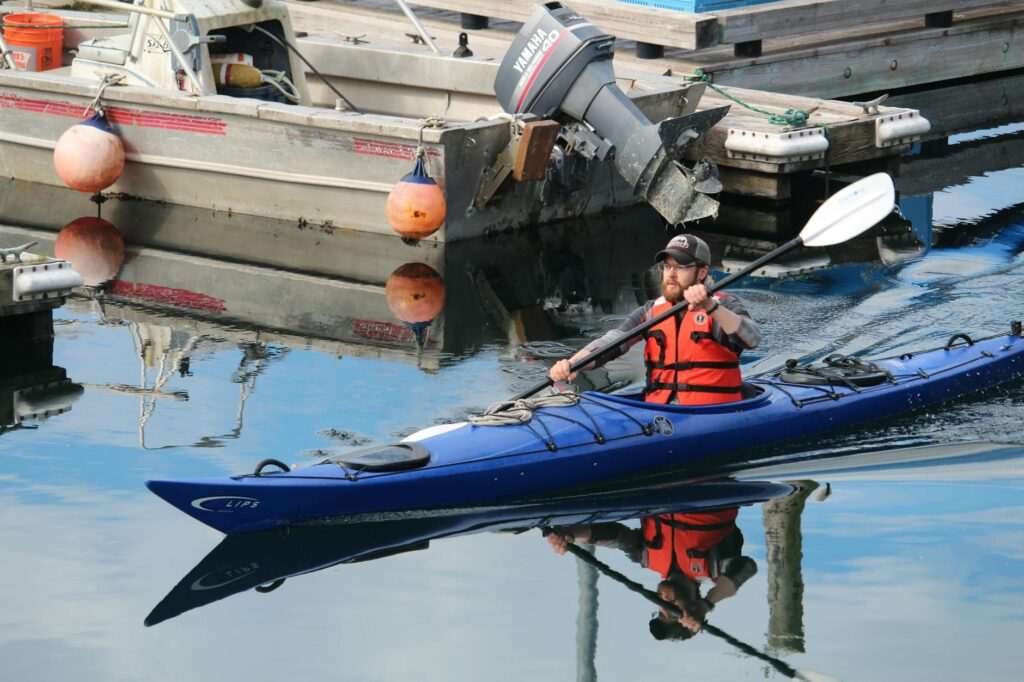
Anchorage’s position at the edge of a mountain range, two major inlets, and more publicly accessible lakes than most cities its size makes it an underappreciated kayaking destination. You can launch a kayak within the city limits on a flatwater lake on a Tuesday evening, or you can be padding through icebergs in Prince William Sound on a guided day trip that starts with a one-hour train ride from downtown. The range is genuinely unusual. Here’s where to paddle in 2026 and how to match the right experience to your skill level.
Kayaking Within Anchorage: City Lakes for Flatwater Paddlers
Two of Anchorage’s most accessible public lakes offer flatwater kayaking within minutes of downtown — no shuttle required, no advanced planning needed.
Goose Lake Park on the University Lake system in East Anchorage is one of the most popular summer spots in the city. The lake is calm, the launch is straightforward, and it sits adjacent to a paved trail and swimming beach that adds up to a full afternoon out. Kayaking Goose Lake is a beginner-friendly experience — there are no tidal currents, no significant boat traffic, and the water temperature in summer is the warmest of any accessible body of water near Anchorage. It’s a good starting point if you’ve never paddled a kayak or want to practice before heading somewhere more demanding.
Mirror Lake Municipal Park on the Eagle River side of the Chugach foothills offers a slightly more remote feel while remaining within easy drive of the city. The lake is small and calm, with mountain views and a quieter crowd than Goose Lake on peak summer days. Bring your own gear; there are no rental operations on-site, but the launch is public and free.
Eklutna Lake: Backcountry Flatwater 30 Miles from Downtown
Eklutna Lake, in Chugach State Park about 30 miles northeast of downtown Anchorage via the Glenn Highway, is the most dramatic lake paddling option accessible as a day trip. At 7 miles long and surrounded by glacier-cut peaks rising above 8,000 feet, Eklutna delivers the scenery of a backcountry expedition with a drive-in launch. The lake is glacially fed — cold, clear, and a striking blue-green color in summer light.
The primary kayaking route is along the western shoreline toward the Eklutna Glacier at the head of the valley. The paddle takes two to three hours each way at a relaxed pace. Wind is the main weather hazard: afternoons on Eklutna can bring sustained gusts that funnel down the valley and make the return paddle difficult. Experienced paddlers handle this by starting early (by 8 AM) and turning around before noon. First-timers should be aware of the wind pattern and have a bailout plan.
Kayak rentals are available at the Eklutna Lake Recreation Area concession stand during summer months — check the Chugach State Park website for current availability before driving out.
Prince William Sound: The Destination Kayaking Experience
The most spectacular kayaking accessible from Anchorage is in Prince William Sound, reached via a short train ride or drive to Whittier. From Whittier, you can paddle into a fjord system with tidewater glaciers, sea otters, harbor seals, and Steller sea lions — the kind of wildlife density that Alaska is famous for and that most paddlers never experience outside of a guided tour.
Prince William Sound Kayak Center in Whittier is the primary base for guided sea kayaking in the Sound. Options range from half-day introductory paddles in the protected waters near Whittier to multi-day camping expeditions that reach iceberg fields and remote coves accessible only by boat. For visitors who want the definitive Alaska sea kayaking experience without committing to a multi-day trip, the full-day guided paddle covers enough of the Sound to feel genuinely remote. Guides handle navigation and safety briefings; your job is to paddle and look around.
The Alaska Railroad Coastal Classic train connects Anchorage to Whittier and back, running daily in summer — it’s a common itinerary to take the morning train to Whittier, spend the day kayaking, and ride back in the evening. Chugach Adventures also offers Prince William Sound kayak and outdoor tour options for groups looking for a slightly different format or package combination.
What About Turnagain Arm?
Turnagain Arm sees this question often: the scenic stretch of water south of Anchorage looks like it would be a spectacular kayaking corridor. The honest answer is no — Turnagain Arm is one of Alaska’s most dangerous waterways for small craft. It has one of the world’s most powerful bore tides (a wall of incoming tidal water that can exceed six feet in height), the mud on its tidal flats is notorious for trapping and drowning animals and people who step into it, and water temperatures are near-fatal in minutes. The arm is best experienced from the overlooks along the Seward Highway, not from a kayak on the water. Experienced Alaska sea kayakers treat it with serious respect and typically avoid it entirely for recreational paddling.
Guided vs. Self-Guided: Matching the Experience to Your Skills
The right choice depends on your experience and your goal:
- Beginners and first-timers: Start at Goose Lake with rented gear and build confidence on flatwater before attempting anything tidal or exposed. A guided half-day on Prince William Sound is a better first sea kayaking experience than a self-guided expedition, because the logistics of reading tidal windows and navigating wind are handled for you.
- Intermediate paddlers: Eklutna Lake is a reasonable self-guided destination with proper gear and the ability to read weather. An early start and conservative turnaround plan manage the wind risk effectively. Prince William Sound self-guided trips are possible from Whittier for those with sea kayaking experience and the gear to handle overnight camping.
- Experienced sea kayakers: Prince William Sound rewards genuine multi-day expeditions. The Blackstone Bay, Barry Arm, and Nassau Fjord areas offer remote paddling with glacier calving, wildlife, and camp spots that require real navigation and planning.
Rentals and Gear in Anchorage
Alaska Wilderness SUP offers paddleboard and kayak rentals in the Anchorage area — a good starting point for getting on the water without bringing your own gear. For Prince William Sound, rental equipment is available through the Whittier-based outfitters. If you’re planning multiple paddle days, bringing your own gear or renting for the full trip from an established outfitter is more cost-effective than single-day rentals.
Adventure Life is a multi-day tour operator that packages kayaking expeditions with logistics including transportation, camping gear, and guide services — appropriate for visitors who want an expedition-style trip without assembling every component independently.
Safety Tips for Kayaking Near Anchorage
- Water temperatures are cold year-round. Even in July, Eklutna Lake and Prince William Sound hover around 45–55°F. A wetsuit or drysuit isn’t overkill — it’s standard practice for sea kayaking in Alaska. Capsizing in cold water without thermal protection is a rapid cold-shock emergency.
- Wind is the primary danger on inland lakes. On Eklutna, afternoon winds can pin you on a shore for hours. On Goose Lake they’re manageable, but check the forecast for anything exposed.
- Tides govern everything on Prince William Sound. Understanding the daily tidal window — when water is incoming vs. outgoing — determines where you can land and how to time crossings. Guided tours manage this; self-guided paddlers need to plan around it explicitly.
- File a float plan. Any trip beyond urban lakes deserves a float plan left with someone not on the water: where you’re launching, where you’re going, when you expect to return, and who to call if you don’t.
- Wildlife proximity requires distance. Seals, sea otters, and bears near the water don’t need you to approach them. Give wildlife appropriate space — boats and kayaks should stay at least 100 yards from marine mammals.
Best Season for Kayaking Near Anchorage
City lake paddling is viable from May through September, with the warmest and calmest conditions in July and early August. Prince William Sound guided tours run June through August, with late June and July being the most reliable window for weather and wildlife. Eklutna Lake is accessible for paddling from late May through early October on good weather days, though the shoulder seasons require more conservative planning given afternoon wind patterns and colder air temperatures.
Featured photo by Howard Herdi on Pexels.



No comments yet.