
Flightseeing in Anchorage 2026 — Scenic Flight Tours over Denali & Glaciers
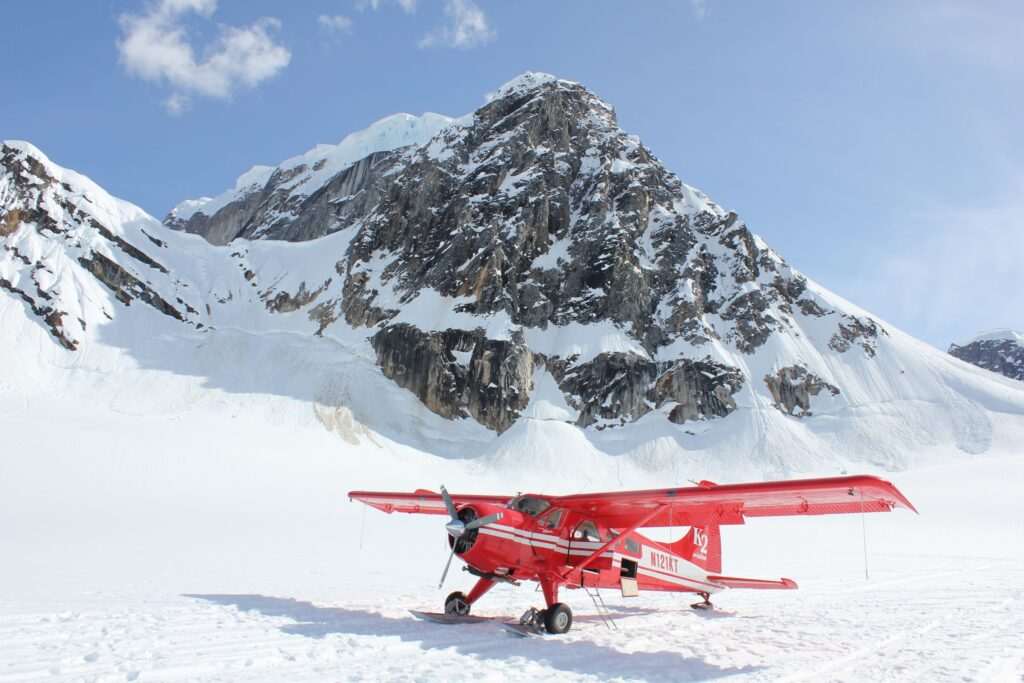
See Alaska from a Whole New Angle
There are plenty of ways to experience Alaska’s grandeur, but nothing quite compares to watching the world from a small plane window as a river of ice unfurls thousands of feet below you. Flightseeing from Anchorage puts Denali, the Harding Icefield, and the turquoise fjords of Prince William Sound within an hour’s reach — no multi-day expedition required.
Anchorage sits at the gateway to some of the most dramatic terrain on earth. Within a short flight, you can hover above active glaciers calving into the sea, trace the spine of the Alaska Range, and bank over a wilderness that most people only ever see in photographs. Whether you’re a first-time visitor with a single free afternoon or a seasoned Alaska hand adding a bucket-list experience, flightseeing belongs on the itinerary.
Where Does Everyone Fly From?
Lake Hood Seaplane Base is the heart of Anchorage aviation. Located adjacent to Ted Stevens Anchorage International Airport, it’s the busiest floatplane base on the planet — on a summer morning the sound of radial engines warming up is its own kind of music. Most of Anchorage’s major flightseeing operators depart from here or from nearby Merrill Field, and logistics are simple: many operators offer downtown hotel pickups.
The Major Routes
Denali Overflight
The signature experience. Tours depart Anchorage, cross the Alaska Range foothills, and circle the summit of Denali — North America’s highest peak at 20,310 feet. On a clear day you’ll look down on glaciers that rival the size of Rhode Island and up at ice faces that challenge the world’s most skilled alpinists. Round trips typically take 2.5–3.5 hours depending on how long the pilot lingers over the mountain. Rust’s Flying Service runs one of the most popular Denali overflight routes, with takeoffs from Lake Hood.
Harding Icefield
Draped across the Kenai Peninsula south of Anchorage, the Harding Icefield is the largest icefield in the United States — roughly 700 square miles of unbroken ice feeding 40 outlet glaciers. An aerial perspective makes the scale comprehensible in a way that standing on its edge simply doesn’t. Exit Glacier and the Harding Icefield route takes roughly 1.5–2 hours from Anchorage. Alaska Glacier Combination Tours can help you pair an aerial glacier experience with ground-level exploration on the same day.
Prince William Sound
Fly east from Anchorage and within 30 minutes the terrain opens into a labyrinth of fjords, tidewater glaciers, and island-dotted bays. Prince William Sound routes commonly pass over Columbia Glacier — one of the fastest-retreating tidewater glaciers in the world — and offer a bird’s-eye view of the same waters that cruise ships ply from Whittier. FlyAKAir offers floatplane tours that include wildlife-rich coastal areas on the Prince William Sound approach.
Local Scenic Flights
Short on time or budget? A one-hour scenic circuit over Knik Glacier, the Matanuska Valley, and the Cook Inlet coastline still delivers stunning views without the full-day commitment. These shorter hops are a great entry point if you’ve never been in a small plane before.
Floatplane vs. Wheeled Aircraft — What’s the Difference?
Both offer spectacular views; the main differences are experience and access.
Floatplanes depart from Lake Hood on the water and can land on remote lakes and rivers — meaning some tours include a wilderness landing for a lakeside picnic or a walk on a gravel bar. The takeoff and landing on water are experiences in themselves, and it’s hard to overstate how cinematic a Lake Hood departure feels on a clear summer morning.
Wheeled aircraft typically depart from Merrill Field or Anchorage International and can access higher altitudes more efficiently — better for the upper flanks of Denali where the air is thin. They also operate in slightly wider weather windows since they don’t need calm water for landing.
For a first-timer who wants the classic Alaska bush-plane experience, floatplane tours edge ahead on atmosphere. For pure Denali-summit views, a high-altitude wheeled aircraft wins on ceiling.
What Does It Cost?
Pricing in 2026 varies considerably by route length and aircraft type:
- Local 1-hour scenic: $250–$350 per person
- Harding Icefield / Prince William Sound: $400–$550 per person
- Denali overflight (half-day): $550–$750 per person
- Denali with glacier landing: $750–$1,000+ per person
Most operators offer a minimum-passenger guarantee — if your group is small, you pay a minimum regardless of seats filled. Booking a full plane with friends almost always brings the per-person cost down significantly. For visitors who want to combine aerial tours with hiking, rafting, or other outdoor activities in one package, Chugach Adventures offers bundled options that pair well with a flightseeing day.
Booking Tips
Book early. Prime-season dates (mid-June through August) fill weeks in advance, especially for Denali overflights. Many operators open bookings in January for the summer season.
Choose flexible cancellation policies. Weather cancellations are common in Alaska — pick an operator who will reschedule at no charge rather than issue a partial credit. Reputable operators like Rust’s Flying Service have clear weather-hold policies built into their booking terms.
Build in a buffer day. If the flightseeing tour is the centerpiece of your Anchorage visit, schedule it early in your trip so a weather delay doesn’t mean missing it entirely.
Morning flights are typically clearer. Afternoon convective clouds frequently build over the Alaska Range from late morning onward. Early departure windows give the best odds of an unobstructed summit view.
Weather Considerations
Alaska weather is famously changeable. A blue-sky morning can cloud over by afternoon, and pilots won’t fly into unsafe conditions — full stop. This is actually reassuring: Alaska bush pilots take their reputation and their lives seriously. The flip side is that flexibility is essential. Build at least a half-day buffer in your schedule for a potential reschedule, especially for Denali routes where the mountain creates its own weather system.
Southcentral Alaska (where Anchorage sits) sees its best flying weather in late June through early August. September can still offer excellent days but comes with shorter daylight and earlier sunset.
What to Expect on the Day
Most tours last between one and four hours depending on the route. Dress in layers — cabin temperatures vary and the views through small windows can feel surprisingly cold even on summer days. Bring a camera with decent zoom; phone cameras struggle with haze at distance. Sit on the correct side of the aircraft (operators will advise based on the route), and don’t hesitate to ask the pilot questions — they love talking about the landscape below.
Motion sickness is uncommon in smooth summer air, but if you’re prone, take precautions before boarding. Small aircraft in mountain terrain can encounter moderate turbulence on warm afternoons.
Flightseeing over Alaska isn’t just a tour — it’s a perspective shift. Once you’ve watched sunrise light crawl across an icefield at 8,000 feet, the whole scale of Alaska clicks into place in a way no map can replicate.
Featured photo by Jonathan Moore on Pexels.



No comments yet.