
Alaska Halibut Fishing 2026 — Charters, Spots & Tips from Anchorage
Why Anchorage Is Your Starting Point for Alaska Halibut
Alaska is home to some of the most productive halibut fisheries in the world, and Anchorage puts you within a few hours of the best of them. Cook Inlet halibut run large and shallow compared to offshore populations, and the day-trip radius from Anchorage — Seward to the south, Whittier through the tunnel, and multiple Kenai Peninsula boat launches — gives you genuine options without a multi-day commitment. Most sport charters operate May through September, with June through August delivering the peak combination of fish size, catch volume, and weather stability.
Where You’ll Actually Fish
From Anchorage, halibut charters concentrate in three main zones depending on which port you depart from.
Cook Inlet: Cook Inlet Charters operates directly out of Anchorage, making it the closest option if you don’t want to drive to Seward or Whittier. Cook Inlet halibut tend to run in the 20–40 lb range, with regulars hitting larger specimens in deeper water. The tidal fluctuation in Cook Inlet is dramatic — one of the highest in the world — so your captain’s local knowledge of tide windows is critical to where you anchor.
Seward: At roughly 125 miles south of Anchorage via the Seward Highway, Seward is the most popular launching point for Kenai Peninsula halibut day trips. The Seward Small Boat Harbor fills up on summer weekends with sport charters targeting Resurrection Bay and Gulf of Alaska halibut. Fish in the 30–60 lb range are common, and larger halibut — occasionally well over 100 lbs — show up in the deeper offshore grounds.
Whittier: Whittier is just 60 miles from Anchorage via the Anton Anderson Memorial Tunnel, the shortest drive to saltwater in the region. Charters out of Whittier access Prince William Sound halibut grounds and frequently combine halibut with rockfish in the same trip. Lazy Otter Charters operates out of Whittier and offers combination trips that pair halibut with other species without the longer drive to Seward.
Charter Options from Anchorage
The Anchorage area has a solid selection of licensed charter operators focused on halibut. Here’s who runs what:
- Big Time Alaskan Fishing Adventures runs multi-species charters with halibut-focus options and good availability in July and August.
- Alaska Fishing Adventures offers full-day halibut charters with fish cleaning and vacuum sealing included — practical if you’re flying the catch home.
- Drill Team Six Fishing Excursions is a smaller operation with group and private charter options, well-suited for families or parties that want more hands-on instruction.
- Fishermans Choice Charters has a strong reputation for putting clients on halibut in the Seward area and runs shared and private boat options.
- Alaska Good Time Charters focuses on relaxed, beginner-friendly trips and offers combination salmon-and-halibut days.
Book as far in advance as you can for July and August departures — popular departure windows on shared boats fill several weeks out, and private charters book even faster.
What to Expect on the Water
A full-day halibut charter typically runs eight to ten hours from dock to dock. You’ll spend most of that time either running to the grounds or soaking bait on the bottom — halibut are a bottom fish, and the standard approach is a weighted circle-hook rig with herring or squid fished tight to structure. The technique isn’t complicated, which makes halibut fishing accessible for people who haven’t fished much before. The challenge is more in reading the bite and maintaining rod pressure than in any advanced casting skill.
Halibut fight differently than salmon. A large fish won’t run, but it’ll go wide and deep and be surprisingly stubborn once you break it off the bottom. Fish above 60 lbs are called “barn doors” for good reason and take real effort to bring to gaff. Most charters set you up with appropriate gear, so you don’t need to bring your own rod and reel.
What to Bring
Alaska charters are serious fishing operations, and the weather offshore is different from what you see on the Anchorage forecast. Pack:
- Waterproof outer layer — a rain jacket and rain pants, not just a fleece
- Layers underneath — even in July, open water at 8 a.m. runs cold
- Non-slip rubber-soled shoes — no flip-flops or smooth-soled sneakers on deck
- Seasickness medication if you’re prone — take it the night before, not morning-of
- Snacks and lunch — most boats don’t offer food service
- Sunglasses and sun protection — overcast days still burn on open water
Alaska Halibut Regulations 2026
Halibut in Alaska is managed by the International Pacific Halibut Commission (IPHC). Sport regulations change annually, and 2026 limits and area-specific rules should be confirmed directly with your charter operator before you book. The general sport bag limit in recent years has been one to two halibut per angler per day in most areas, with size restrictions in some zones intended to protect large spawning females. Your charter captain handles the federal licensing requirements — you don’t need a separate license for halibut in Alaska’s federal waters when fishing on a licensed charter.
Getting Your Catch Home
Most halibut charters include filleting and vacuum packing in the price, or offer it for a modest add-on fee. A typical halibut day trip yields 15–40 lbs of cleaned, frozen fillets per angler depending on the day’s luck and fish size. That amount fits in a checked bag with dry ice, and airlines generally accommodate frozen fish as checked luggage. Ask your charter about local flash-freezing and fish-shipping services if you’d rather ship your catch than carry it through the airport.
Frequently Asked Questions
When is the best time to fish for halibut near Anchorage?
June through August delivers the best combination of fish availability, weather, and daylight. May and September are also productive but weather is less predictable. Most charters operate May through September, with peak booking demand in late June and July.
Do I need a fishing license for halibut in Alaska?
You need an Alaska sport fishing license for freshwater fishing. For saltwater halibut on a licensed charter, the charter’s federal permit covers your halibut harvest — you don’t need a separate halibut stamp. Confirm the specifics with your charter operator before booking.
How big are halibut in Alaska?
Sport-caught halibut near Anchorage and the Kenai Peninsula commonly run 20–60 lbs. Fish above 100 lbs aren’t rare in deeper offshore zones. The Alaska state record for sport-caught halibut exceeds 450 lbs, though fish of that size are uncommon on typical day charters.
Can beginners catch halibut on a charter?
Yes. Halibut fishing on a guided charter is one of the more beginner-friendly salt fishing experiences available in Alaska. The technique is straightforward — bottom fishing with bait — and the captain handles navigation and rigging. No previous fishing experience is required.
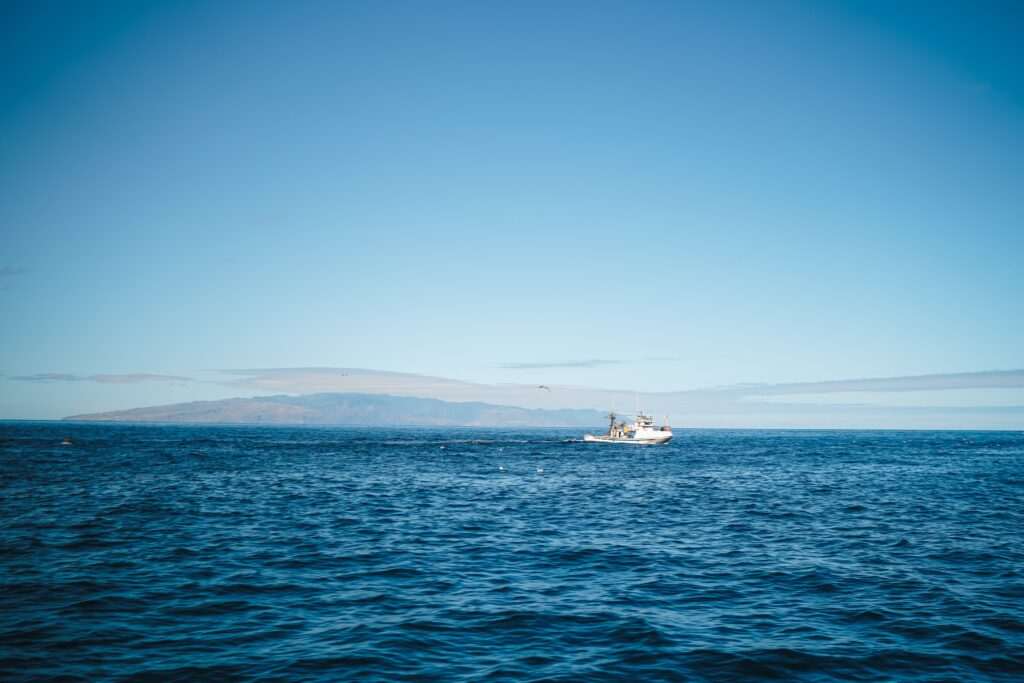
Featured photo by irenefilms on Pexels.




No comments yet.