
Lake Hood Seaplane Base 2026 — World’s Busiest Floatplane Base in Anchorage
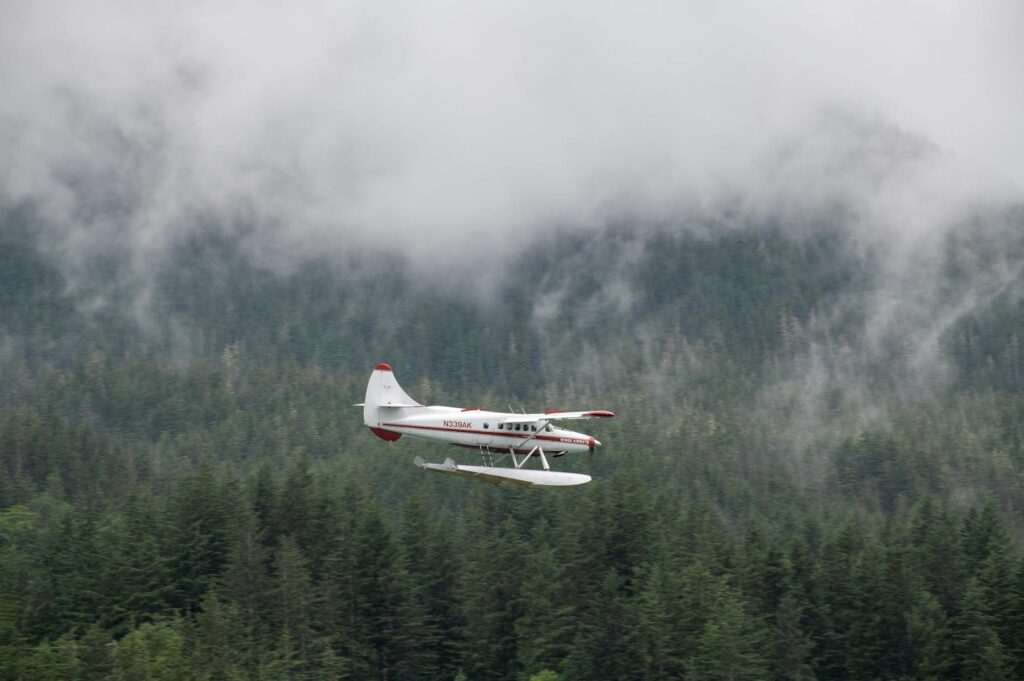
There is no other city in the contiguous United States — and arguably no other city on earth — where you can sit at a waterfront restaurant, watch a dozen floatplanes take off in the span of an hour, and call it a Tuesday. Lake Hood Seaplane Base, tucked against the southern boundary of Ted Stevens Anchorage International Airport, holds the title of the world’s busiest floatplane base. On a peak summer day, up to 190 aircraft operations move through the lake — takeoffs and landings running nearly continuous in the long Alaskan morning light. It’s a functioning piece of working Alaska infrastructure, and it’s free to watch. For visitors who want to experience something genuinely Anchorage-specific rather than another glacier tour or salmon fishing trip, an afternoon at Lake Hood is one of the most unexpectedly memorable things this city offers.
The World’s Busiest Floatplane Base
Lake Hood and the adjacent Lake Spenard were connected by a channel in the 1930s to create a longer water runway, a project that allowed for heavier aircraft operations and set the stage for what Lake Hood would become. The base formally expanded through the mid-20th century as Alaska’s aviation infrastructure grew alongside its population — floatplanes were not a novelty in Alaska but a necessity. Roads don’t reach most of the state. The only way in or out of hundreds of communities, fishing lodges, remote cabins, and hunting camps is by air, and for many of those destinations the nearest airstrip is a lake, a river bar, or a beach.
Today, Lake Hood handles more than 190 flight operations on peak summer days, a number that earns it the world record for floatplane traffic. The FAA manages the airspace in coordination with the adjacent international airport — it’s a genuine operational challenge, with commercial jets departing on one side and Cessnas and de Havilland Beavers lifting off on the other. The mix of aircraft types alone is worth an afternoon: Super Cubs, Piper Cubs, Beavers, Otters, Cessna 180s and 185s, and the occasional larger twin-engine floatplane, all operating out of what is essentially a lake in the middle of a city.
The Free Viewing Area
No ticket required. The most accessible way to experience Lake Hood is from the public parking area and dock zone on Lakeshore Drive, which runs along the north shore of the lake. Pull in, find a spot along the shore, and you’re positioned within a few hundred feet of the active water runway. Floatplanes taxi past the dock, point into the wind, and run their takeoff rolls directly in front of you — the sound of a radial engine at full throttle is close enough to feel in your chest.
The viewing area is informal and relaxed. Locals bring lawn chairs and coffee; families set up for an hour or two; aviation enthusiasts with telephoto lenses line up along the waterline. There’s no interpretive center, no entrance gate, and no organized tour schedule — just the lake, the planes, and whatever’s flying that day. On a busy summer morning, activity is nearly continuous. On a slower weekday afternoon, you might watch a single operator fuel up and depart, then spend twenty minutes watching the ripples settle before the next one taxis out. Both experiences are worth having.
The dock area itself sometimes allows for closer views of aircraft tied up between flights. Talk to the pilots — Alaskan aviation culture is generally unpretentious, and most operators working out of Lake Hood are used to questions from the curious. What are they hauling? Where are they headed? How long is the flight to the lodge? You’ll get honest answers.
Lakefront Anchorage: Dining with a Runway View
The Lakefront Anchorage hotel and restaurant sit directly on the lake, with dining room windows that frame the water runway. It’s one of the few places in the world where the window view at dinner includes taxiing floatplanes. The restaurant draws a mix of guests, aviators, and locals who know the view is worth the trip. The menu runs toward Alaska classics — salmon, halibut, king crab when available — and the combination of the food and the setting makes for a meal that’s difficult to replicate anywhere else. Reservations are advisable in summer; the restaurant is popular precisely because there’s nothing else quite like it.
If you’re timing your visit around flight activity, the restaurant’s lakeside windows give you a comfortable vantage point across a longer window of time than standing outside allows. A dinner at the Lakefront while floatplanes come and go in the late summer evening — with light still full and golden at 9 or 10 p.m. — is the kind of evening Anchorage residents recommend to visitors who ask what they’re missing.
Floatplane Tours from Lake Hood
Lake Hood is the departure point for many of the Anchorage area’s floatplane tour operators, who offer flightseeing packages ranging from short local overflights to full-day adventures into the backcountry. The range of destinations accessible from the lake in a single day is staggering:
- Denali flightseeing: A round-trip flight to Denali from Lake Hood runs approximately 2 to 3 hours. Weather permitting, you’ll see the mountain at close range — including the upper glaciers and the summit massif — in a way that’s impossible from the ground. Several operators offer glacier landings as an add-on.
- Knik Glacier: About 50 miles northeast of Anchorage, Knik Glacier is accessible by air in under 30 minutes. Tours that land on the glacier give you direct ice access with none of the driving and hiking logistics that a ground approach requires.
- Prince William Sound: Flightseeing tours over Prince William Sound offer aerial views of the fjords, tidewater glaciers, and island chains that are largely inaccessible without a multi-day boat trip. Some operators combine air access with kayak drops in remote coves.
- Remote fishing and hunting camps: The working side of Lake Hood is charter flights to lodges and remote camps that have no road access. If you’re headed to a fly-in fishing lodge for a week on a backcountry river, there’s a good chance your departure is from Lake Hood.
Tour pricing varies by operator and itinerary; budget $200 to $500 per person for a quality flightseeing experience, with glacier landings and longer tours at the higher end. Book ahead in summer — popular routes fill up weeks in advance.
Alaska’s Aviation Culture
Lake Hood is a window into something that distinguishes Alaska from every other American state: the degree to which aviation is woven into daily life. Alaska has more pilots per capita than any other US state, more registered aircraft per capita, and more airstrips per square mile of territory. The numbers reflect a simple geographic reality — Alaska is enormous, much of it is roadless, and the aviation infrastructure that fills that gap has been building since the 1920s.
The planes working out of Lake Hood on any given day aren’t flying for recreation or tourism alone. They’re carrying medical supplies to remote villages, delivering mail to communities that have no other delivery option, transporting subsistence hunters and fishermen to grounds their families have used for generations, and running the logistical backbone of an Alaska that most visitors never see. Watching the traffic from the dock is, in a subtle way, watching how Alaska actually functions — the floatplane base as infrastructure rather than attraction, serving a population spread across a landmass larger than Texas, California, and Montana combined.
The Alaska Aviation Museum, located just across the lake on Aircraft Drive, puts this history on display with vintage aircraft, original equipment, and exhibits covering the full arc of Alaska aviation — from the first bush pilots to the modern floatplane fleet. It’s a natural extension of a Lake Hood visit and worth a couple of hours for anyone who wants to go deeper than the dock.
When to Visit
Lake Hood is accessible year-round, but the floatplane season runs primarily from late May through September, when the lake is ice-free. Peak activity is in June, July, and August, when tourist charter demand combines with the heaviest working traffic to push operations toward the 190-per-day ceiling.
For maximum activity and the best light conditions, summer mornings and evenings are the optimal viewing windows. Anchorage in July has nearly 19 hours of daylight; the light at 7 a.m. and at 9 p.m. is low-angle and golden, making for excellent photography conditions and active flight traffic. Midday tends to bring warmer temperatures and some convective weather activity — afternoon clouds can reduce visibility over the mountains and temporarily slow charter traffic.
Weekends bring more recreational and tourist traffic; weekdays reflect more of the working charter activity. Both have appeal, depending on whether you want to see variety in the aircraft types or the operational rhythm of the base at its most purposeful.
Practical Tips
- Getting there: Lake Hood is off Lakeshore Drive, roughly a 10-minute drive from downtown Anchorage. The viewing area is near the intersection of Aircraft Drive and Lakeshore Drive. Free parking is available along the shore.
- Bring binoculars or a telephoto lens. Much of the activity happens on the far side of the lake; binoculars bridge the distance and let you read tail numbers and identify aircraft types. Telephoto shooters regularly get compelling shots from the dock area without any special access.
- Kid-friendly. Children who have any interest in aircraft find Lake Hood genuinely exciting — the scale of the planes, the noise at takeoff, and the frequency of activity are all dialed up compared to a typical airshow experience. There are no barriers between you and the active ramp area, which adds to the immediate feeling.
- Weather flexibility. Floatplane activity slows in fog and low ceilings, which are common on overcast Anchorage days. If you’re planning a specific visit around flight viewing, check the forecast and aim for a clear window. Clear summer days reliably produce the most traffic.
- No fees. The public viewing areas along Lakeshore Drive are free. Parking is free. This is simply a public lakefront in a working part of the city.
- Nearby trails: The Tony Knowles Coastal Trail begins near downtown Anchorage and runs 11 miles along Cook Inlet toward the airport area — a natural walking or cycling complement to an afternoon at Lake Hood.
Featured photo by Vinicius A. Nascimento on Pexels.

No comments yet.