
Portage Glacier 2026: Begich Boggs, MV Ptarmigan & Byron Trail
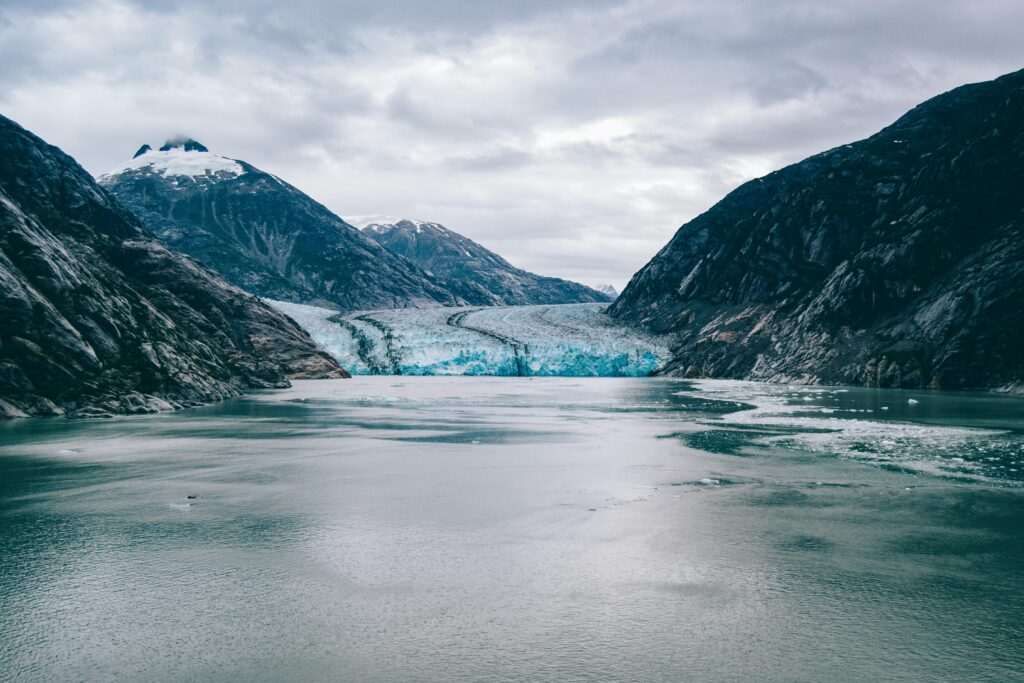
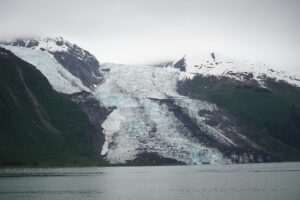
Portage Glacier sits at the head of Portage Valley, 50 miles south of Anchorage at the point where the Chugach Mountains close in on both sides and a glacially fed lake fills the floor of the valley. It is one of the most visited natural attractions in Alaska — the access road is paved, the visitor center is excellent, and the views from the parking area alone justify the drive. What most visitors miss is that the glacier itself has receded so dramatically over the last century that it is no longer visible from the visitor center or the road: the face that once stood at the lakeshore is now 3 miles across the water, requiring either a boat tour or significant binoculars. Here is how to see it properly.
The Begich Boggs Visitor Center
The Begich Boggs Visitor Center is operated by the US Forest Service and sits directly on Portage Lake — a glacially sourced lake whose water is a milky turquoise-grey from glacial flour suspended in it. The building is genuinely impressive: large windows facing the lake and the Chugach peaks provide a panoramic view from inside, and the interpretive exhibits cover glacier science, the ecology of the valley, and the dramatic retreat of Portage Glacier over the past 100 years. In 1914, the glacier’s face was at the visitor center site; by 2000, it had retreated 3 miles. The time-lapse photography and comparison panels in the exhibits make this concrete in a way that a simple view of the lake does not.
The center includes a theater showing a glacier film on a regular schedule, restrooms, a small gift shop, and access to the lakeshore. Entry to the visitor center and the access road is covered by the America the Beautiful federal recreation pass or a per-vehicle fee. Hours vary by season — open daily from late May through September, with limited operations in winter. Check the Chugach National Forest website for current hours before driving out.
The Portage Glacier Cruise (MV Ptarmigan)
The Portage Glacier Cruises MV Ptarmigan is the only way to actually reach the face of Portage Glacier. The tour boat departs from the visitor center dock, crosses Portage Lake, and approaches the glacier terminus — a 90-minute round trip that puts you within a few hundred feet of the ice face. This is categorically different from viewing the glacier from the shore: the scale of the ice wall only registers up close, the blue color of the deep ice is intense, and if the timing is right, you may hear or see calving — chunks of ice breaking from the face and dropping into the lake.
Calving is not guaranteed on any given trip; it is a function of glacier dynamics rather than schedule. But the crew knows what conditions favor it, and even without a calving event, the close approach to the glacier face delivers the experience that the visitor center view promises but cannot provide. Tours run several times daily from late May through mid-September. Book in advance — tours sell out on summer weekends and the MV Ptarmigan has limited capacity. The boat is enclosed and suitable for all ages; dress warmly, as the temperature drops significantly near the ice.
Byron Glacier Trail
Two miles before the visitor center on the Portage Valley road, the Byron Glacier Trail branches south into a side valley. The trail is 1 mile each way on a well-maintained gravel path that gains minimal elevation, making it one of the most accessible glacier-approach walks in Alaska. The destination is the terminus of Byron Glacier, where a seasonal snow cave forms in the ice at the base of the glacier — a dark blue cavity in the ice that visitors can enter (carefully) from late June through August, before it melts out or becomes unstable in late summer.
The snow cave is the highlight for most visitors: standing inside a natural ice chamber, looking out through a blue-lit opening at the valley, is an unusual experience that does not require a boat tour or any special equipment. The trail surface is wet and rocky near the glacier; waterproof boots are recommended. Allow 1–1.5 hours round trip. Byron Glacier Trail has no fee and no reservation requirement — it is the free alternative to the MV Ptarmigan for visitors who want ice contact without the cruise cost.
Portage Valley Photography
Portage Valley is one of the most photographed locations in Southcentral Alaska, and for good reason: the combination of the aquamarine lake, the icebergs calved from the glacier (which float into the lake and can be seen from shore), the Chugach peaks, and — on clear days — the reflection in the still water produces conditions that reward wide-angle landscape photography. Early morning (before 9 AM) typically has the calmest water and the best light for reflections; summer evening light after 7 PM is similarly good. The valley floor road offers multiple pullout points along the lake shore before reaching the visitor center.
Wildlife present in the valley: black bears, moose, Dall sheep on the upper slopes, and mountain goats. The glacial streams entering the lake attract spawning salmon in late summer (July–August), which in turn attract bears. The valley is active bear country; carry bear spray on any trail beyond the visitor center area.
Combining Portage with Whittier
The Portage Valley road and the Anton Anderson Memorial Tunnel to Whittier share the same access point off the Seward Highway. The tunnel is one of the longest highway tunnels in North America at 2.5 miles, and it operates on a timed alternating schedule — vehicles travel one direction at a time on shared rail/road pavement. Tunnel times are published online (search “Whittier Tunnel schedule Alaska DOT”); the crossing takes about 10 minutes and costs $13 per passenger vehicle.
Whittier itself is a small community on Prince William Sound with a harbor, a small cluster of restaurants and tour operators, and access to excellent sea kayaking and wildlife boat tours. Combining a morning at Portage Glacier with an afternoon in Whittier is a logical and efficient day trip from Anchorage — both destinations are on the same road, and the drive from the visitor center to the tunnel entrance takes 10 minutes. Plan tunnel timing before you leave the visitor center; missing your scheduled window means a 30–45 minute wait for the next opening.
Getting There and Logistics
From Anchorage, take the Seward Highway south to the Portage Valley / Whittier junction at mile 78.9. Turn left (east) onto Portage Glacier Road and drive 5.4 miles to the visitor center. Total drive time from Anchorage: approximately 50 minutes. The road is paved and suitable for all vehicles year-round, though winter access to the visitor center is reduced after October.
Parking at the visitor center fills on summer weekends by mid-morning. Arrive before 9 AM to guarantee a space and catch the morning light on the lake. The Byron Glacier trailhead parking area 2 miles before the visitor center is a useful overflow option and is rarely full. Gas up in Anchorage or at the Girdwood junction — there are no services in Portage Valley itself.
A half-day is sufficient for the visitor center plus Byron Glacier trail. Add the MV Ptarmigan cruise and you need a full day, particularly if combining with Whittier. This is among the most content-dense half-days available within 50 miles of Anchorage.
Featured photo by Sandra Seitamaa on Pexels.


Comments
Add a comment
Portage Glacier Day Trip from Anchorage 2026: Cruises, Trails & What to Expect
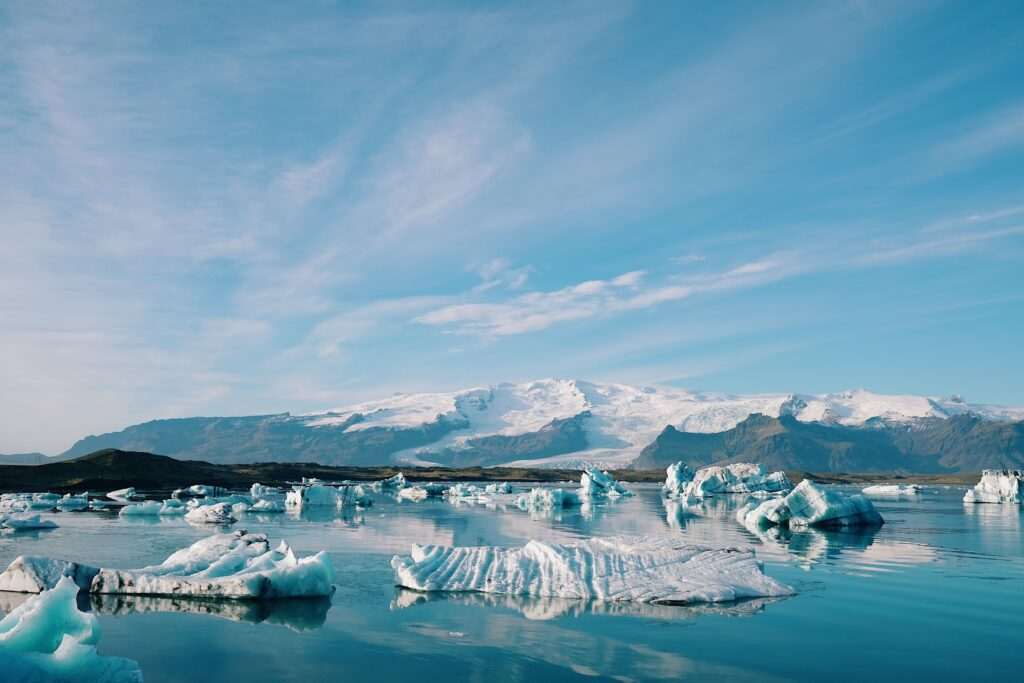
Fifty miles south of Anchorage, the Portage Valley pushes east into the Chugach Mountains and ends at one of the most accessible glacier environments in Alaska. Portage Glacier, which once extended to the valley mouth and is now visible primarily from the water, still calves icebergs into Portage Lake — and those icebergs, floating in shades of white and blue just offshore, are what visitors see when they step out of the Begich-Boggs Visitor Center or take the MV Ptarmigan cruise to the glacier face. The Portage Valley also holds the Byron Glacier Trail, one of the few developed trails in Alaska that brings visitors directly to the edge of a glacier with no special equipment required. Together, the visitor center, the cruise, and the Byron Trail make Portage one of the most complete glacier day trip destinations in Southcentral Alaska — and the drive from Anchorage takes just over an hour.
Getting There from Anchorage
The Portage Valley turnoff sits at Mile 78.9 of the Seward Highway, approximately 50 miles from downtown Anchorage. The drive south on the Seward Highway traces Turnagain Arm — one of the most scenic roads in Alaska — for the first 40 miles, then turns into the valley at the junction. The turnoff is well-signed; follow Portage Glacier Road east into the valley for approximately 5.5 miles to the Begich-Boggs Visitor Center. Total drive time from Anchorage under normal conditions is 55 to 70 minutes. The road is paved, well-maintained, and open year-round.
The Alaska Railroad‘s Glacier Discovery service runs from Anchorage through the Portage area in summer, offering a car-free alternative. Visitors without a rental car should confirm shuttle availability from the rail flag stop to the visitor center directly with the railroad or local operators in advance of the trip.
Begich-Boggs Visitor Center
The Begich-Boggs Visitor Center, operated by the US Forest Service at the edge of Portage Lake, is the primary information and interpretive hub for the glacier area. The building sits on the lakeshore with a view across the water toward the glacier and the Chugach peaks behind it. Inside, exhibits cover the glacier’s dramatic retreat — Portage Glacier reached the visitor center site within living memory, and the chronological photographs showing its recession decade by decade make the scale of change concrete. Rangers staff the center through the summer season and can provide current trail conditions, wildlife activity reports, and cruise schedule information.
The center’s observation decks face directly across Portage Lake. In summer and early fall, icebergs calved from the glacier float across the lake’s surface — some small, others the size of a car — and they provide a striking foreground element for photography against the mountain backdrop. The lake itself is gray-green from glacial flour suspended in the meltwater, a characteristic that shifts through the day as light conditions change. Admission to the visitor center is included in the parking fee for the area.
MV Ptarmigan: The Glacier Cruise
The most direct view of Portage Glacier comes from the MV Ptarmigan, a tour boat operated by Portage Glacier Cruises that crosses Portage Lake to the glacier face. The cruise takes approximately one hour round-trip and brings passengers within a few hundred feet of the active calving face — close enough to see the blue-green ice at waterline and, on active days, hear the glacier’s movement. The boat holds approximately 150 passengers and operates on a set schedule from late May through September, with multiple departures daily during peak summer months.
Prices for the MV Ptarmigan cruise run approximately $35–$40 per adult and $20–$25 for children in 2026; reserve tickets in advance during July and August when the boat fills on peak days. The cruise departs from a dock adjacent to the Begich-Boggs Visitor Center. Dress for wind off the glacier regardless of the air temperature in the parking lot — the lake surface runs several degrees cooler than shore, and the boat’s forward motion adds wind chill on open deck areas.
The glacier cruise provides a view of Portage Glacier that is simply not accessible from shore. The glacier has retreated past the point where it is visible from the visitor center, and only the boat route delivers a face-to-face encounter with the active ice. For first-time visitors to the Portage area, the cruise is the centerpiece of the experience.
Byron Glacier Trail: A Family-Friendly Walk to a Glacier
The Byron Glacier Trail, located approximately 0.4 miles before the Begich-Boggs Visitor Center on Portage Glacier Road, offers the most accessible on-foot glacier encounter in the region. The trail runs 0.8 miles through spruce and cottonwood forest before opening onto the glacial moraine at the base of Byron Glacier. No crampons are required, no special equipment is needed, and there is no fee. The Forest Service maintains the trail and the parking area at the trailhead. Round-trip walking time is 40 to 60 minutes at a relaxed pace.
At the trail’s end, the hanging glacier faces you above the moraine. In late summer, seasonal snow bridges sometimes allow visitors to walk a short distance onto the lower ice — this is weather and season dependent and can be assessed on arrival. The cold outflow of glacial meltwater crosses the moraine, and the debris field of rocks and compressed ice provides a close look at the materials a glacier carries and deposits. The Byron Trail is the best family option in the Portage Valley: short enough for young children, gear-free, and delivering genuine glacier atmosphere without the cost of the boat ride.
Wildlife in the Portage Valley
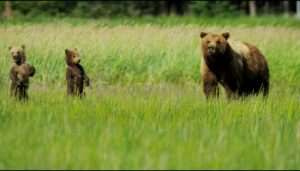
The Portage Valley supports a reliable concentration of wildlife through the summer season. Black bears and brown bears frequent the valley floor in berry season (late July through September), when vegetation along the creek drainages draws them out of the surrounding forest. Mountain goats are visible on the high cliff faces above the valley — particularly on the rocky faces flanking Byron Glacier — and binoculars help locate the white-coated animals against gray rock. Bald eagles patrol the valley regularly, and moose appear along the access road particularly in early morning and evening.
The creek draining Portage Lake draws returning pink salmon in August, and bear activity in the valley increases accordingly during that period. The Begich-Boggs Visitor Center staff can advise on recent bear sightings and whether any particular areas should be given extra caution during your visit. Bears in the Portage Valley are habituated to human activity around the visitor center and cruise dock; maintain appropriate distance and follow all posted guidance.
Combining Portage with the Alaska Wildlife Conservation Center
The Alaska Wildlife Conservation Center, located at Mile 79 of the Seward Highway just west of the Portage Valley turnoff, is the natural companion to a Portage Glacier day trip. The 200-acre wildlife park houses non-releasable Alaska wildlife species — brown bears, black bears, musk oxen, bison, elk, caribou, Sitka black-tailed deer, moose, lynx, and wolves — in large naturalistic enclosures along a drive-through loop. Visitors drive through at their own pace, with stops at active enclosures.
The Conservation Center and Portage Glacier together make an efficient full-day itinerary from Anchorage: stop at the Conservation Center in the morning (allow 1.5 to 2 hours), then continue into Portage Valley for the visitor center and the afternoon MV Ptarmigan cruise. The two sites are five minutes apart. Admission to the Conservation Center runs approximately $20–$30 per adult; children’s rates are lower. The combination of guaranteed large-mammal wildlife viewing and glacier scenery in a single day makes this pairing one of the most reliable day trips accessible from Anchorage.
Best Season, Fees, and Photography Tips
The MV Ptarmigan operates from late May through September only; confirmed schedules are posted at the start of each season. Summer (June through August) provides the most MV Ptarmigan departure options and the most amenities, but also the highest visitor volume. Late August and September bring fall colors to the valley’s cottonwood and alder, reduced crowds, and the salmon-driven bear activity that makes wildlife viewing most reliable. The Byron Glacier Trail and the Begich-Boggs Visitor Center are accessible whenever the valley road is clear.
Parking at the Begich-Boggs Visitor Center requires a daily recreation pass or an annual federal lands pass (America the Beautiful pass covers entry). The Byron Glacier trailhead is managed by the Forest Service and uses the same pass. Budget approximately $20 per vehicle for a daily pass if you don’t have an annual pass. Visitors looking to extend their time in the Chugach Mountains can connect to the extensive trail networks of Chugach State Park, which runs north from the Turnagain Arm corridor all the way to Anchorage and offers additional hiking and wilderness options for visitors with a full day in the mountains.
For photography, the lake surface reflects most dramatically in early morning when winds are calm — icebergs in still gray-green water against mountain peaks make the strongest shots from the visitor center decks. On the MV Ptarmigan, a wide-angle lens captures both the glacier face and the surrounding water, while a short telephoto isolates calving detail. On the Byron Glacier Trail, overcast light reduces glare on the ice and brings out deeper blue tones in the compressed glacier ice exposed at the moraine.
Featured photo by Yen Nguyen on Pexels.

Comments
No comments yet.

No comments yet.