White Water Rafting Six Mile Creek Alaska: 2026 Guide
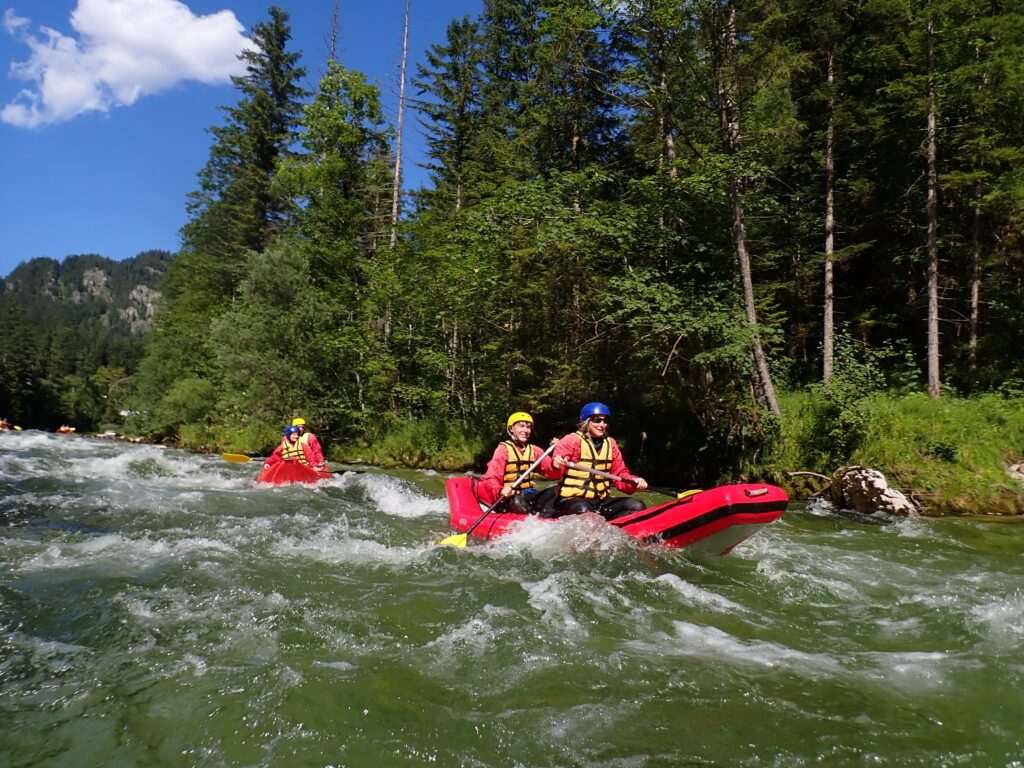
Eighty miles south of Anchorage, Six Mile Creek drops through three narrow canyons carved into the Kenai Peninsula, generating a sequence of Class IV and Class V rapids that qualify it as the most challenging commercially rafted river in Alaska. This is not a lazy float trip. It’s a full-commitment whitewater experience that gets people’s attention — and keeps it. A white water rafting Six Mile Creek Alaska day puts you on moving water that moves fast, in a canyon that doesn’t give you much room to think.
What Is Six Mile Creek?
Six Mile Creek runs near Hope, a small historic gold rush town on the southern shore of Turnagain Arm. The creek descends through three distinct canyons, each with its own character. Canyon 1 is a Class III-IV warm-up. Canyons 2 and 3 escalate to genuine Class IV-V — powerful hydraulics, technical lines, and sections where guides assess conditions daily to decide whether to run or portage. The total drop through all three canyons is significant, and the confined canyon walls mean mistakes have consequences.
The reputation is well-earned: Six Mile is widely considered the most extreme commercially rafted run in the state. Operators have been running it for decades, and the guided infrastructure is professional and safety-focused — but this is still serious whitewater.
Tour Operators and Pricing
Two established operators run guided trips on Six Mile Creek:
- Nova River Runners: One of Alaska’s most experienced rafting outfitters, Nova has guided Six Mile since the 1970s. Full three-canyon trips typically run $120–$150 per person. Nova also offers Canyon 1-only options for less experienced groups.
- Chugach Outdoor Center: Based out of Hope, the Chugach Outdoor Center specializes in Six Mile and offers full-canyon and partial trips, as well as combination packages. Similar pricing to Nova.
Both operators provide all necessary equipment: wet suits, helmets, personal flotation devices, and paddling gear. Both use safety kayakers who run alongside the rafts through technical sections, providing an additional rescue resource if rafts flip or swimmers end up in the water.
Book ahead. Six Mile trips fill up, particularly on summer weekends. Online reservations open well before the season; waiting until arrival in Hope often means no availability.
What to Expect on the Water
The day starts with a safety briefing — paddle commands, what to do if you fall out, how to position yourself as a swimmer in moving water. Guides are experienced and thorough; pay attention even if you’ve rafted before, because Six Mile is not forgiving of inattention.
Once on the water, Canyon 1 gives you time to settle into paddling rhythm and learn how your boat responds. By Canyon 2, the rapids are sustained and demanding. Canyon 3 is where the trip earns its reputation — the hydraulics here are powerful enough that guides assess each major rapid individually before committing, and portaging (carrying the raft around) is a legitimate and regularly used option rather than an admission of failure.
Flips happen. Swimmers happen. The guides and safety kayakers are prepared for both, and recovery from swims is typically fast in the calmer pools between rapids. That said, being comfortable in water and physically capable of self-rescue is part of the minimum requirement for the trip.
Physical Requirements and Who Should Go
Operators typically require:
- Minimum age of 16 for full three-canyon trips (Canyon 1 may allow younger participants — confirm with your operator)
- Comfortable swimming ability — you may end up in the water
- Reasonable physical fitness; paddling through Class IV-V for several hours is aerobically demanding
- No serious back, neck, or shoulder injuries
If your group includes less-experienced or younger members, the Canyon 1 option is a legitimate experience in its own right — Class III-IV rafting in a scenic canyon with the same professional guides and equipment, without the full commitment of Canyons 2 and 3.
Getting There from Anchorage
The drive from Anchorage to Hope takes about 2 hours via the Seward Highway south to Turnagain Pass, then west on Hope Road. The Seward Highway corridor through Turnagain Arm is among the most scenic drives in Alaska — watch for beluga whales in the arm and Dall sheep on the cliffs above the road.
Some operators offer Anchorage pickup — check with Nova or Chugach Outdoor Center when booking. Driving yourself gives you flexibility to add stops, including a pass by the Alaska Wildlife Conservation Center near Portage on the way out, or a detour to Portage Glacier Cruises to extend the day.
Best Season
Mid-June through August is peak season. Snowmelt from the surrounding mountains keeps water levels high and rapids at their most powerful during this window. Water levels typically peak in late June to mid-July as runoff from the Kenai Peninsula’s higher elevations reaches its maximum — this is when the rapids run hardest and Canyon 3 is at its most committing. By late August, flows begin to moderate: the rapids are still fully runnable but somewhat less powerful, which experienced guides often consider the sweet spot for confident first-timers. September is still runnable but flows decrease further, and some years bring early cold snaps to the Hope Road corridor. The Chugach State Park trail systems along the Seward Highway corridor are beautiful in fall if you’re timing a late-season trip.
Practical Tips
- Wear clothes you don’t mind getting soaked. Even with wet suits, you will get wet. Leave valuables in your vehicle.
- Eat a solid breakfast but not immediately before the trip. Paddling hard on a full stomach in cold water is uncomfortable.
- Bring a change of clothes for the drive home. You’ll want dry layers after the trip.
- Don’t bring anything you can’t afford to lose. Cameras, phones, and sunglasses go overboard.
- No cotton. Wear synthetic or wool base layers under your wetsuit — cotton soaks through, loses all insulating value, and stays cold for the rest of the trip. Operators will tell you this at the briefing; come dressed correctly from the start.
- Weight and age minimums. Most operators set a maximum participant weight around 250 pounds and a minimum age of 16 for the full three-canyon run. Canyon 1 may accommodate younger participants — confirm the exact limits when booking.
Six Mile Creek is the kind of experience Alaska does better than almost anywhere else — genuinely wild, professionally guided, and accessible from Anchorage in a morning. If you’re looking for something that moves faster than a glacier and hits harder than a hiking trail, this is it.


No comments yet.