Brown Bear Viewing in Alaska 2026: Katmai, Pack Creek & Guided Tours
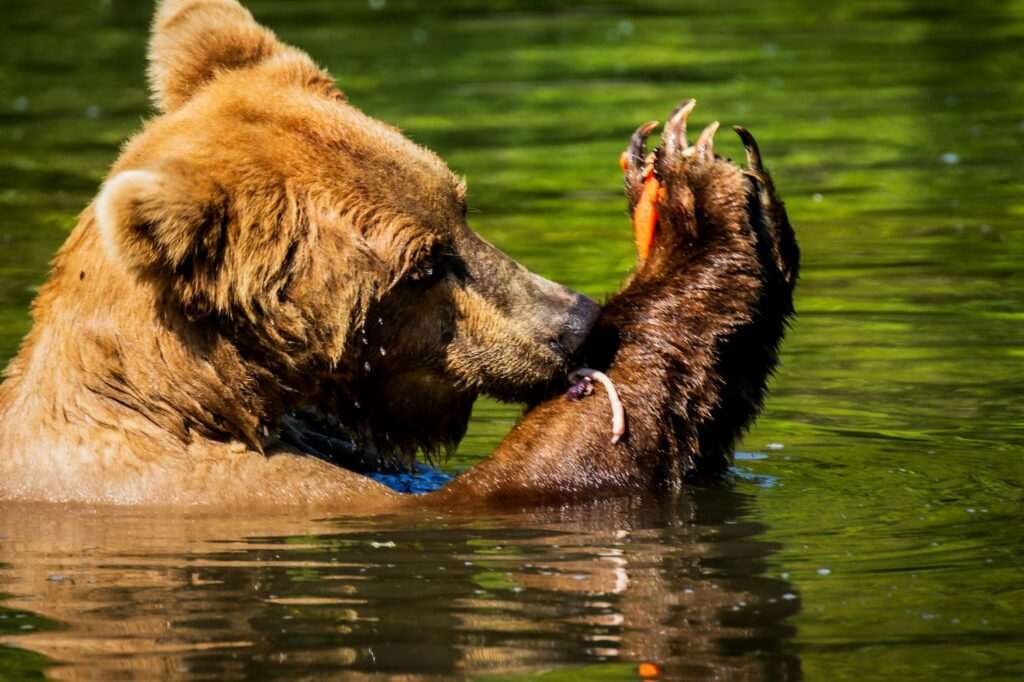
Alaska is home to the world’s densest concentrations of brown bears, and brown bear viewing in Alaska has become one of the most sought-after wildlife experiences on the planet. From the famous Brooks Falls platform at Katmai National Park to remote coastal meadows near Homer, the options range from accessible fly-in day trips to wilderness lodges deep in bear country. This guide covers the main viewing destinations accessible from Anchorage, the best timing, and what you need to know before you go.
When to Go: Timing Your Bear Viewing Trip
Brown bear activity in Alaska peaks in two distinct windows tied to food sources. The first runs from late June through early July, when bears congregate along coastal streams and tidal flats feeding on clams, sedge grass, and early returning salmon. The second — and most dramatic — is the salmon run from mid-July through August, when bears gather at river rapids and waterfalls to intercept sockeye and silver salmon. The Brooks Falls run at Katmai typically peaks in mid to late July, coinciding with the sockeye run up the Brooks River. For coastal areas like Hallo Bay and Chinitna Bay, June through September all offer good viewing, with the salmon concentration in July and August producing the most intense bear activity.
Katmai National Park: The Gold Standard
Brooks Falls in Katmai National Park is the most famous brown bear viewing site in the world. Each summer, dozens of bears congregate at a single waterfall on the Brooks River to intercept sockeye salmon mid-jump — creating the iconic images of bears catching fish that have defined Alaska wildlife photography for decades. Viewing platforms accommodate roughly 40 people at a time, and the experience of watching bears compete for prime fishing positions is extraordinary even from a crowded platform.
Getting to Brooks Falls requires a connecting flight from Anchorage to King Salmon (about 1 hour) followed by a floatplane or boat to the Brooks Camp. Several Anchorage-based tour operators offer packaged day trips combining both legs, typically running $800 to $1,200 per person. Advance booking is essential — permits for Brooks Falls platforms sell out months ahead for July dates. The National Park Service also operates the Brooks Falls Bear Cam through the explore.org network, which streams live footage during the season for those planning future trips or looking to time their visit around peak activity.
Hallo Bay and Chinitna Bay: Wilderness Fly-In Viewing
For visitors who want an immersive bear viewing experience without the crowds of Katmai, two coastal wilderness sites near Homer offer alternatives that many wildlife photographers prefer. Hallo Bay, on the western coast of the Alaska Peninsula, is accessible by floatplane from Homer in about 45 minutes. Bears here feed on coastal sedge grass and clams in wide tidal meadows, allowing close approaches on foot with a guide — a fundamentally different experience from the platform viewing at Brooks Falls. Chinitna Bay, within Lake Clark National Park also accessible from Homer, offers similar coastal meadow viewing with resident bear populations that reliably appear through the summer season.
Day trips to both sites run approximately $700 to $900 per person from Homer. The drive from Anchorage to Homer is about 4.5 hours down the Sterling Highway, making a combined road trip and bear viewing excursion a natural multi-day itinerary.
Pack Creek, Admiralty Island: Near Juneau
Pack Creek on Admiralty Island — accessible by floatplane or boat from Juneau — is one of Alaska’s premier managed bear viewing sites and a destination for serious wildlife photographers seeking less competition. The site is managed jointly by the U.S. Forest Service and the Alaska Department of Fish and Game, with strict daily visitor limits. A permit is required from June 1 through September 10, and permits for peak July dates sell out well in advance through recreation.gov. Pack Creek sees far fewer visitors than Katmai and offers a more intimate experience, with viewing from a tower platform near a salmon stream.
Juneau is a 1.5-hour flight from Anchorage, and guided day trips from Juneau to Pack Creek run approximately $500 to $700 per person including transportation. It is a longer logistical commitment than the Homer or Katmai options but rewards with a genuinely uncrowded bear viewing experience.
Bear Encounters Near Anchorage
Anchorage and its surrounding parklands are genuine bear habitat, not curated wildlife preserves. Both black bears and brown bears use the Chugach State Park trail system intensively from spring through fall, and moose-heavy areas also tend to overlap with bear travel corridors. Encounters on trails are common enough that bear spray is standard gear for any Chugach hike during berry season.
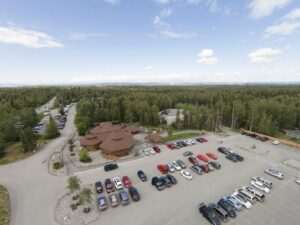
The Eagle River Bear Viewing Trail in the Eagle River valley is one of the Anchorage area’s dedicated wildlife corridors and sees regular brown and black bear activity near the river during salmon runs in late summer. It is not a managed viewing platform experience — encounters happen on active hiking trails — but for visitors who want to understand bear behavior in the wild rather than from a distance, this kind of proximity to functioning wildlife habitat is its own education. The Eagle River Nature Center provides ranger interpretation, wildlife programming, and guidance on current bear activity levels in the valley, making it a valuable first stop before heading into the backcountry.
Safety: Bear Country Fundamentals
Carry bear spray — and know how to use it. Bear spray is the most effective deterrent available and should be on your belt, not in your pack. Practice drawing and deploying before you head into the field. A bear spray holster is worth the minimal cost.
Make noise on the trail. Most bear encounters on trails result from surprise at close range. Talk, clap, or use a bear bell in dense vegetation and on blind corners. Bears that know you are coming almost always move away before you reach them.
Never approach a bear, even at a viewing site. Managed viewing platforms and guides exist precisely to maintain safe distances. The 50-yard minimum at managed sites is a floor, not a target — if a bear approaches you, retreat calmly, do not run.
Store food properly. At campgrounds and backcountry sites, bear canisters or bear boxes are standard. In established campsites like those at Katmai’s Brooks Camp, the National Park Service maintains a strict food storage protocol that all visitors must follow.
Photography Tips
A telephoto lens of at least 300mm is necessary for meaningful wildlife images from platform distances. At Katmai’s Brooks Falls, the bears are close enough that 300 to 500mm covers most situations well. For coastal meadow viewing at Hallo Bay, where bears may approach within 30 to 50 yards on foot with a guide, a 200mm lens can produce exceptional results. Fast shutter speeds (1/1000 second or higher) freeze action at the falls. Early morning and late afternoon light produces the warmest tones and the lowest, most dramatic angle on bears in the water.
Alaska’s bear viewing season is one of the genuinely world-class wildlife spectacles available to travelers — comparable in intensity to African safari experiences and, in some respects, more accessible from a major U.S. city. For visitors planning a summer Alaska trip with wildlife as a priority, building a bear viewing component into the itinerary around the July salmon run window produces the most reliable and dramatic results.

No comments yet.