Kenai Peninsula Salmon Fishing 2026: World-Class Angling Guide from Anchorage
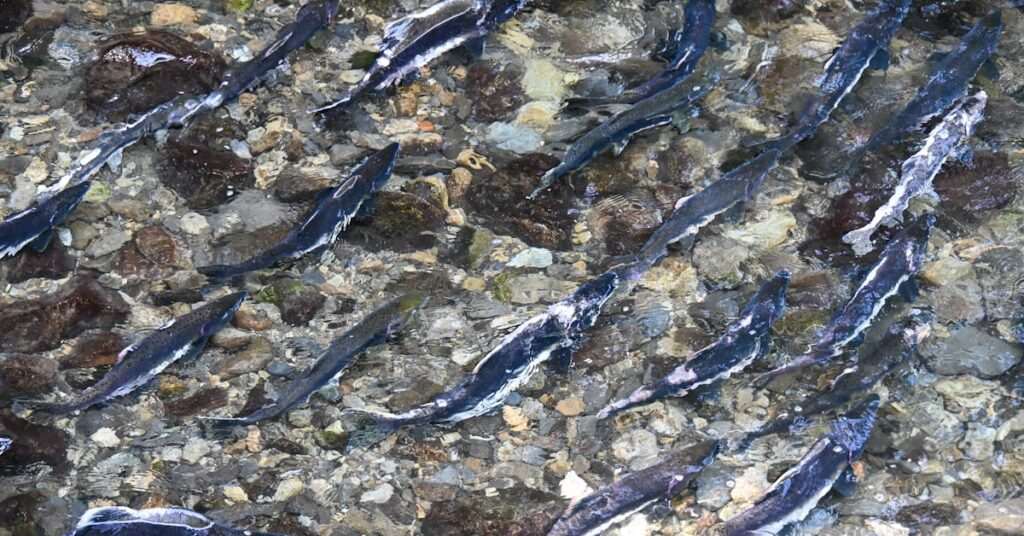
The Kenai River holds the world record for king salmon — a 97-pound fish pulled from these waters in 1985 that still stands today. The Russian River confluence fills shoulder-to-shoulder with anglers during the July sockeye run, creating one of the most distinctive fishing spectacles on Earth. The Kenai Peninsula, just 2.5 hours south of Anchorage, is legitimately one of the premier salmon fishing destinations in the world — and accessing it requires nothing more than a rental car, an Alaska fishing license, and a willingness to set the alarm early.
The Kenai River: Where Records Are Made
The Kenai River drains Kenai Lake through the heart of the Kenai Peninsula before emptying into Cook Inlet near the town of Kenai. Its glacially fed, cold, clear water and robust salmon runs have made it famous among anglers worldwide. King salmon — the largest Pacific salmon species — run the Kenai twice annually: an early run in May and June, and a late run in July that produces the largest fish. Kings over 50 pounds are not unusual; fish over 70 pounds are caught most seasons.
Sockeye salmon (reds) run in staggering numbers from late June through August. Silver salmon (coho) follow in August and September, offering excellent sport into early fall when other species have finished. Pink salmon run in even-numbered years and can be caught in huge numbers on light tackle. The Kenai is genuinely a four-species river across the season, with different peak windows for each.
Species and Run Timing at a Glance
| Species | Peak Season | Best Location |
|---|---|---|
| King (Chinook) salmon | May–July (late run peaks mid-July) | Lower/middle Kenai River |
| Sockeye (Red) salmon | Late June–August | Russian River confluence, Kenai River |
| Silver (Coho) salmon | August–September | Kenai River, Kasilof River |
| Pink salmon | July–August (even years) | Kenai and Kasilof Rivers |
| Rainbow trout | Year-round | Upper Kenai (Cooper Landing) |
The Russian River: Combat Fishing for Sockeye
Every Alaskan knows about combat fishing — and the Russian River confluence is where it reaches its purest expression. During the peak sockeye run in early to mid-July, hundreds of anglers line both banks of the Russian River and its confluence with the Kenai, standing shoulder-to-shoulder and casting flies in synchronized rhythm. The scene looks chaotic from a distance but operates by an understood code of conduct: you rotate through the line, respect your neighbor’s space, and share in the collective experience of one of nature’s great spectacles.
The Russian River is fly-fishing only — artificial lures and bait are prohibited. Single-hook barbless flies are required. The fish you’re targeting are bright, fresh sockeye that have just entered the river system, and they fight hard. A 6- to 8-pound sockeye on a fly rod in current is a serious battle. The Russian River area is reached via the Kenai National Wildlife Refuge road from Cooper Landing; a Refuge parking pass is required and sells out on peak summer weekends — arrive early or purchase online in advance.
Soldotna: The Fishing Hub
Soldotna, roughly 150 miles south of Anchorage on the Sterling Highway, is the practical base for Kenai River fishing. The town has grown up entirely around the fishing industry and is dense with charter guide operations, gear shops, fish processing services, grocery stores, and accommodation ranging from riverside cabins to chain hotels. The Kenai National Wildlife Refuge Visitor Center on the south side of town is worth a stop for maps, wildlife information, and current run reports.
The Kenai River runs directly through Soldotna, and public bank access is available at Centennial Park and several other in-town spots — meaning you can fish without a boat or guide if you prefer. During peak sockeye season, these access points fill by dawn. Arrive by 5 a.m. if you want a spot on the bank.
Guided vs. DIY Fishing
First-time visitors to the Kenai River face a genuine choice: hire a guide or fish independently from the bank. The right answer depends on your experience and what you want from the trip.
Hire a guide if: you want to fish for king salmon (drift boat access to the best holding water is almost mandatory for kings), you’ve never fished for Alaska salmon before, or you want to maximize efficiency on a short trip. Half-day and full-day guided drift boat trips typically run $200–$300 per person and include gear, bait or flies, and fish cleaning. Operations like Cook Inlet Charters and Alaska Good Time Charters put you on fish consistently and teach technique you’ll use for the rest of your trip.
Fish DIY if: you’re targeting sockeye from the bank during peak run, you have fly fishing experience for the Russian River, or you’re after silver salmon in August when bank fishing from accessible spots produces consistently. The Kenai Peninsula’s public access points are genuinely good, and the fish are there in numbers during peak season.
Cooper Landing: Fly Fishing and Upper River
Cooper Landing, about 100 miles south of Anchorage at the head of the Kenai River system, offers a different character than the lower river. The upper Kenai here is a classic fly fishing stream — clearer, narrower, with excellent rainbow trout fishing year-round and sockeye access during the Russian River run. Several outfitters in Cooper Landing offer guided float trips down the upper river, drifting through Kenai Canyon with the Kenai Mountains on either side. It’s one of the most scenic guided fishing experiences in Southcentral Alaska.
Licensing Requirements
All anglers 16 and older must carry a valid Alaska fishing license. Non-residents can purchase annual or short-term (1-day, 3-day, 7-day, or 14-day) licenses online through the Alaska Department of Fish and Game website or at sporting goods stores throughout the peninsula. King salmon fishing requires an additional king salmon stamp — non-resident king stamps are currently $25 (verify current pricing at purchase). Sockeye, silver, and pink salmon are covered by the base license with no additional stamp required.
Bag limits vary by species, river section, and time of season; consult the current ADF&G regulations before fishing. Your guide will handle this for you if you’re on a guided trip.
What to Do With Your Catch
Catching a 10-pound sockeye or a 50-pound king creates an immediate logistical question: now what? Fish processing services in Soldotna and Kenai will clean, vacuum-seal, and freeze your catch for transport home. Most services also offer shipping directly to your home address if you’re not checking luggage with fish. Expect to pay $1–$2 per pound for processing, plus shipping. Sockeye salmon is exceptional eating — rich, red-fleshed, and incomparably fresh — and the ability to bring home Alaska-caught fish is a significant part of the appeal of the trip.
Getting There from Anchorage
The drive from Anchorage to Soldotna takes approximately 2.5 hours via the Seward Highway south to the Sterling Highway junction at Tern Lake, then west to Soldotna. The Seward Highway portion follows Turnagain Arm — one of Alaska’s most scenic drives — with Dall sheep on the cliffs above and occasional beluga whales in the inlet below. Cooper Landing is about 1 hour 40 minutes from Anchorage; Soldotna is the full 2.5 hours. Most fishing-focused visitors drive down the evening before and stay overnight to be on the water at first light.
Visitors who want a taste of Alaska fishing without the 2.5-hour drive can also try Bird Creek Fishing in South Anchorage — a convenient urban option for rainbow trout just minutes from downtown. The Kenai Peninsula rewards extended stays — three or four days allows you to target multiple species at multiple locations and still have time to explore Homer or Seward on the way back. For visitors combining fishing with other Southcentral Alaska experiences, the peninsula is one of the most content-dense destinations in the state within driving distance of Anchorage.

No comments yet.