
Crow Creek Mine Girdwood 2026 — Historic Gold Panning Near Anchorage
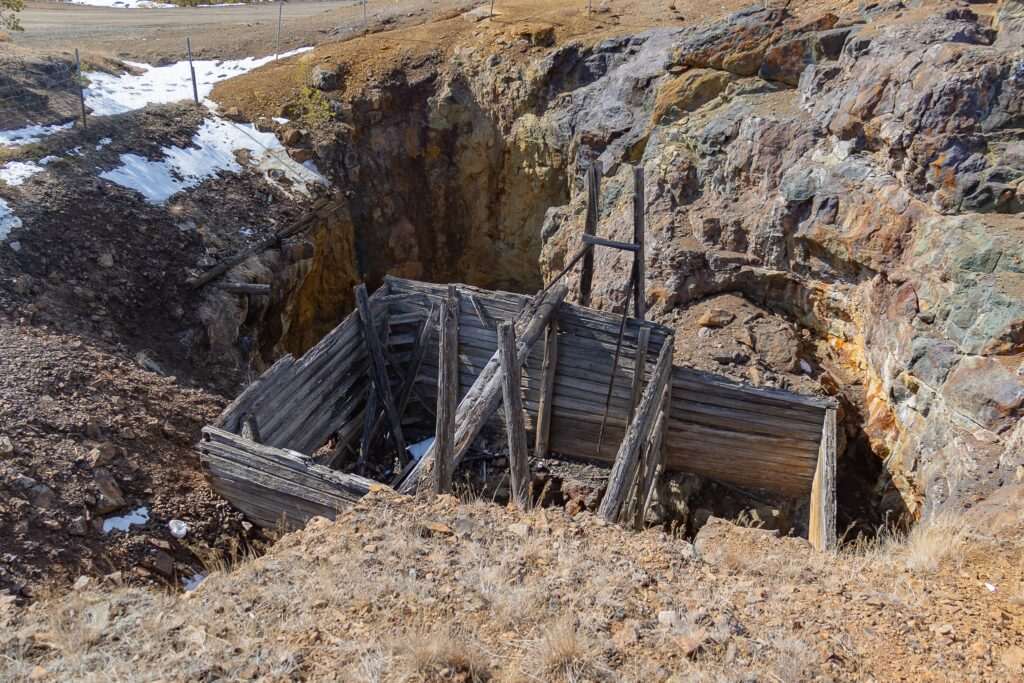
Crow Creek Road branches off the Alyeska Highway a mile past the main Girdwood turnoff, climbs a short distance through spruce forest, and dead-ends at a property that has been producing gold since 1896. Crow Creek Mine is not a reconstructed attraction or a theme-park version of Alaska history — it is a continuously operated gold-producing site that opens its gates to visitors from late spring through early fall. Eight original mine buildings still stand on the property, the sluice equipment still runs, and the gravel in the creek still carries placer gold that visitors pan out themselves and take home. Forty minutes from downtown Anchorage, this is one of the most direct connections to the Alaska gold rush available in Southcentral Alaska.
What Crow Creek Mine Is
Gold was first found at Crow Creek in 1896, making it one of the earliest significant placer gold discoveries in the region that would become Alaska’s largest city. The mine operated through various ownerships across the 20th century, and the current family owners have maintained it as a working property and living museum since the 1960s.
What distinguishes Crow Creek from most “historic mine” experiences is that the infrastructure is original — not reconstructed for tourism, but preserved in place. The buildings include early assay office structures, equipment sheds, and worker quarters dating to the early 1900s. Walking the property feels more like exploring a preserved industrial site than moving through an interpretive exhibit.
The Gold Panning Experience
The main visitor activity is gold panning, and it is run simply and honestly. Visitors purchase a bag of raw ore material from the mine’s own production and are given a gold pan. Staff demonstrate the panning technique — submerging the pan, agitating the material, and gradually washing away lighter gravel to expose anything dense enough to stay. Gold, being one of the densest naturally occurring metals, settles to the bottom when everything else is washed off.
Finds are real and kept by the visitor. The gold in the bags is genuine Crow Creek placer gold — small flakes and occasional small nuggets from the creek gravel. Finding your first flake is more satisfying than the size suggests; recovering actual gold from ore makes the abstract history of the rush immediate. Children grasp this instantly. Adults find it unexpectedly absorbing. The process involves keeping hands in cold running water, so waterproof gloves or wool gloves with cut tips are worth bringing for extended panning sessions.
The Mine Buildings and Historic Grounds
Eight original buildings span a range of functions across the property: tool storage, ore processing, crew accommodations, and the assay office where gold was weighed. Most are accessible to walk through or around. Machinery — sluice components, stamp equipment, early processing gear — remains in place throughout the grounds. The weathered timber structures against the wooded hillside backdrop make for compelling photography without any effort at composition.
The site sits in a narrow valley where Crow Creek runs through the property as part of the active operation. At certain times visitors can observe sluicing alongside their own panning, which makes the connection between historical method and present activity visible in a way most mine tours don’t achieve.
Getting There from Anchorage
Crow Creek Mine is at the end of Crow Creek Road in Girdwood, approximately 40 miles south of downtown Anchorage via the Seward Highway — about 40 to 45 minutes by car. From the Seward Highway, take the Alyeska Highway exit toward Girdwood and follow it roughly 2 miles to the Crow Creek Road turnoff on the right. The road to the mine is unpaved gravel, passable by standard passenger vehicles in dry conditions. GPS to “Crow Creek Mine, Girdwood” is reliable.
What to Bring and When to Visit
Waterproof boots are essential — water is involved throughout the panning activity and the ground around the stations stays wet. Dress in layers: Girdwood generates its own weather independent of Anchorage, and a warm morning in the city can mean a cool, overcast afternoon at the mine. The mine is generally open late May through early September; verify current hours on the mine’s website before making the drive.
Pairing with Girdwood
Crow Creek Mine fits naturally into a Girdwood day trip. Winner Creek Trail, beginning at the Alyeska Resort less than a mile from the Crow Creek Road turnoff, offers a 9-mile old-growth forest hike to a hand-operated canyon tram — a morning hike followed by afternoon gold panning is a full and varied day. The Alyeska Resort Aerial Tram adds a third option, with mountain summit views that put the valley’s gold-producing history in a different kind of relief. Girdwood Brewing Company is a short drive from all three and the natural end-of-day stop.
Can you really find gold at Crow Creek Mine?
Yes — the ore provided contains genuine placer gold from the mine’s own production. Finds are typically small flakes and occasional tiny nuggets. All gold recovered is yours to keep. Virtually all visitors who pan thoroughly recover some gold, though the amount varies by bag and effort.
How far is Crow Creek Mine from Anchorage?
Approximately 40 miles south of downtown Anchorage via the Seward Highway — about 40 to 45 minutes by car. Take the Alyeska Highway exit toward Girdwood; Crow Creek Road branches off roughly 2 miles in.
Is Crow Creek Mine good for families with children?
It’s one of the best family-oriented day trips from Anchorage. Gold panning produces a tangible result kids take home; the mine buildings give older children context for the activity. The grounds are compact and the activity requires no fitness or technical skill.
When is Crow Creek Mine open?
Generally late May through early September, with hours varying by season and year. Verify the current schedule on the mine’s website before visiting. Late May, June, and early September see lighter traffic than the July–August peak.
Crow Creek Mine earns its reputation by doing one thing authentically rather than producing a curated visitor experience. The gold is real, the buildings are original, and the connection to 1896 Alaska requires no suspension of disbelief. Take the Seward Highway south, turn at Girdwood, and find out what a gold rush felt like at human scale.
Featured photo by Olavi Anttila on Pexels.

No comments yet.