
Whale Watching in Alaska 2026: Orcas, Humpbacks & Belugas from Anchorage
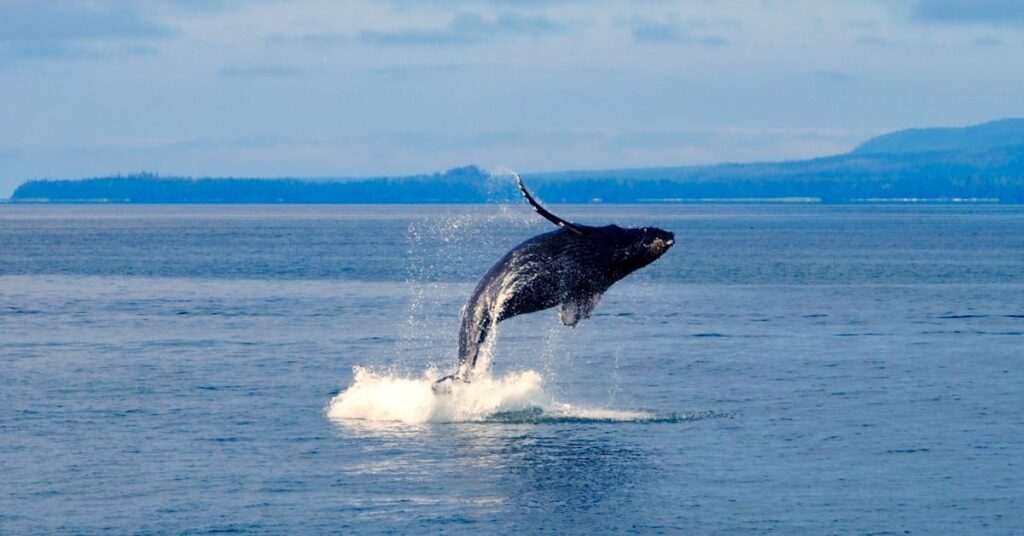
Alaska’s marine waters rank among the most productive whale habitats on Earth. Cold, nutrient-rich upwellings around glacial fjords and tidal inlets fuel massive food chains — herring, capelin, krill, salmon — that in turn support dense populations of humpback whales, orca pods, and the unique Cook Inlet beluga. For visitors based in Anchorage, all three species are reachable within a single day, through a combination of free roadside viewing and guided boat tours from two easily accessible ports.
This guide covers each whale species, where and how to find them, the best tour operators, what to bring, and how to plan your 2026 Alaska whale watching experience.
Why Alaska Whale Watching Is Exceptional
The combination of geography and ecology makes Alaska’s coastal waters uniquely productive. Glacially carved fjords concentrate fish populations at their mouths; cold, oxygen-rich water supports enormous zooplankton blooms; and the long summer daylight hours extend feeding windows for marine mammals. In peak season, whale sightings on Kenai Fjords boat tours are not a lucky exception — they’re a near-certainty. The question is usually how many whales you see, not whether you’ll see any at all.
Alaska also offers something few other whale-watching destinations can match: the scenery surrounding the whales. Humpbacks breach in front of tidewater glaciers. Orcas surface against snow-capped mountain ranges. Belugas move through a tidal arm flanked by Dall sheep cliffs and the Chugach peaks. The context is as extraordinary as the animals.
Beluga Whales: Free Roadside Viewing from Anchorage
The Cook Inlet beluga is the most accessible whale species from Anchorage — and one of the most unusual wildlife encounters in Alaska. These small, white, highly social whales are a genetically distinct, critically endangered population of approximately 280 animals that live year-round in Cook Inlet. Unlike their Arctic relatives, Cook Inlet belugas have never migrated out of the inlet; they are endemic to this single body of water.
Every summer, when salmon runs push up Turnagain Arm — the narrow eastern finger of Cook Inlet that the Seward Highway follows south of Anchorage — the belugas follow. They’re visible from shore as white shapes moving in coordinated groups just below the surface, often 10–30 animals together, surfacing rhythmically in the tidal current.
Best Viewing Spots Along the Seward Highway
- Beluga Point (Mile 110.5 Seward Highway): The designated whale-watching pullout, about 20 minutes south of downtown Anchorage. Interpretive signs explain beluga ecology. This is the most reliably productive spot during summer salmon runs — many visitors see belugas here within minutes of arriving.
- Bird Point (Mile 96 Seward Highway): A larger pullout with restrooms and a short walking trail along the Arm. Belugas are frequently visible from the bluff, and the scenery — with Dall sheep cliffs on the far shore — is exceptional.
- Potter Marsh (Mile 117 Seward Highway): Closer to Anchorage, this birding boardwalk occasionally offers beluga sightings during the highest tides.
- Any Turnagain Arm pullout: On incoming tides in July–September, scanning the Arm from any highway pullout can produce results. Bring binoculars — the white forms against gray-green water are easier to spot with magnification.
Timing for Beluga Viewing
Belugas follow salmon, and salmon follow tides. Incoming tides push fish — and their pursuers — up the Arm. Plan your visit to coincide with the incoming tide for the highest probability of a sighting. Tidal charts are available through NOAA’s Tides and Currents website for the Anchorage station. Peak season is July through September, with the Kasilof and Kenai sockeye runs driving the most consistent activity.
Critical Conservation Note
Cook Inlet belugas are listed as Critically Endangered under the Endangered Species Act. Their population has declined significantly since the 1990s and has not recovered despite federal protections. Never enter the water near belugas, approach them by kayak or boat at close range, or fly drones over them. These activities constitute harassment under the Marine Mammal Protection Act and carry significant penalties. Shore-based viewing is perfectly safe for the whales and yourself — this is the right way to see them.
Humpback Whales: Kenai Fjords & Prince William Sound Boat Tours
Humpback whales are the headline attraction on Alaska marine tours — and for good reason. At 40–52 feet long and up to 40 tons, they’re large enough to be unmistakable from a boat. Their behavior is spectacularly visible: humpbacks breach (launching their entire body out of the water), slap the surface with pectoral fins and flukes, and engage in bubble-net feeding — a cooperative hunting technique where groups of humpbacks blow spiraling curtains of bubbles to herd fish toward the surface, then lunge upward through the concentrated school with their mouths open.
Kenai Fjords National Park Tours from Seward
Seward, approximately 2.5 hours south of Anchorage on the Seward Highway, is the primary departure point for Kenai Fjords marine tours. The park’s glacially carved fjords concentrate humpbacks, orcas, Steller sea lions, sea otters, and millions of seabirds in the same narrow channels — making for extraordinarily dense wildlife viewing on a single boat trip.
Tour options range from half-day trips that reach the outer bay to full-day Northwestern Fjord tours that penetrate deep into the park past multiple tidewater glaciers. The full-day Northwestern tour offers the highest humpback encounter rate — boats spend more time in the productive outer waters where feeding aggregations are densest. Operators including Kenai Fjords Tours and Major Marine Tours run these trips from Seward’s Small Boat Harbor. Confirm current scheduling and pricing directly; summer dates book weeks in advance.
The Seward day trip works well as a self-drive: leave Anchorage by 7 a.m., arrive in time for a morning departure, spend a full day on the water, and return to Anchorage by 9–10 p.m. The Seward Highway drive itself is one of Alaska’s most scenic roads — Turnagain Arm, Portage Valley, and the Kenai Mountains are all on the route.
Prince William Sound Tours from Whittier
Whittier, about an hour from Anchorage through the Anton Anderson Memorial Tunnel, offers an alternative marine tour experience in Prince William Sound. The Sound’s protected waters host resident and transient orca pods, humpbacks, harbor porpoises, Dall’s porpoises, and extensive sea otter populations. Multiple operators run day tours from Whittier; the shorter drive (versus Seward) makes this an appealing option for visitors with limited time. Humpback sightings are common but less concentrated than in Kenai Fjords — compensated for by the Sound’s exceptional scenery and calmer water conditions.
Orca (Killer Whales): Pods in Prince William Sound and Kenai Fjords
Alaska’s orca population divides into two ecotypes with entirely different lifestyles. Resident orcas live in stable family pods and eat exclusively fish — primarily salmon. They’re highly vocal, predictable in their movements through traditional territories, and relatively approachable to marine tour vessels. Transient orcas (also called Bigg’s killer whales) roam more widely and hunt marine mammals — seals, sea lions, Dall’s porpoises, and even young humpback whales. Transient encounters are more dramatic but less predictable.
Both ecotypes are present in Prince William Sound and the Kenai Fjords area throughout summer. Sightings on any given boat tour are less guaranteed than humpbacks, but encounters are common enough that most full-day tours produce at least one orca pod. When transient orcas are actively hunting, the behavior — coordinated attacks on seals, high-speed chases — is among the most intense wildlife viewing available anywhere.
Planning Your Alaska Whale Watching Trip
Best Season
May through September covers the primary whale watching season, with July and August representing peak activity for all three species. May and September offer smaller crowds and potential for dramatic humpback feeding behavior as whales bulk up before migration. June is excellent for beluga viewing as early salmon runs begin. If you have flexibility, the second half of July typically combines maximum beluga, humpback, and orca activity simultaneously.
Tour Costs
- Beluga viewing from shore: Free (Seward Highway pullouts, no tour required)
- Half-day Kenai Fjords or PWS tour: Approximately $100–$150 per person
- Full-day Northwestern Fjord tour: Approximately $185–$230 per person
Verify current pricing directly with operators — costs fluctuate year to year with fuel prices and demand. Most operators offer a whale-sighting guarantee or trip credit if sightings are very low, though this is rarely needed in peak season.
What to Bring
- Waterproof jacket and pants: Even on calm, sunny days it is cold on the water. Spray from wakes adds to wind chill. Dress for 15–20°F colder than the Anchorage temperature.
- Motion sickness medication: Take it the night before, not the morning of — most medications need time to take effect. The open-water sections of Kenai Fjords tours can be rough in wind.
- Binoculars: For scanning ahead of the boat and for beluga shore viewing. 8×42 or 10×42 are ideal.
- Camera with telephoto lens: 300mm minimum for action shots from a moving boat; 400–600mm for frame-filling breach images. Keep it ready at all times — humpbacks breach without warning.
- Snacks and water: Full-day tours include limited food service; bring your own for a full day on the water.
Photography Tips
Whale photography from a moving boat is challenging but hugely rewarding. Set your shutter speed to at least 1/1000s to freeze splash and motion. Use continuous autofocus and burst mode. Watch the water surface for rings of bubbles or a darkening below the surface — these signal an imminent surfacing. When a whale surfaces repeatedly in the same area, position yourself on the rail facing that direction and be ready. Breaches are almost always completely unexpected — the best images usually come from watching the water constantly rather than from a specific setup.
Plan Your Alaska Whale Watching Day
A recommended itinerary from Anchorage: drive the Seward Highway south and stop at Beluga Point on the way (incoming tide timing permitting), continue to Seward for a full-day Northwestern Fjord tour, and stop again at Bird Point on the return drive as evening light hits the Arm. In a single day you can realistically see all three species — beluga from shore, humpbacks and orcas on the water — while driving one of Alaska’s most spectacular roads. Book the boat tour before you book your accommodation; summer dates fill quickly and the rest of the day’s logistics flow from that anchor.

No comments yet.