
Anchorage Running & Outdoor Fitness Guide 2026: Trails, Events & Local Running Culture
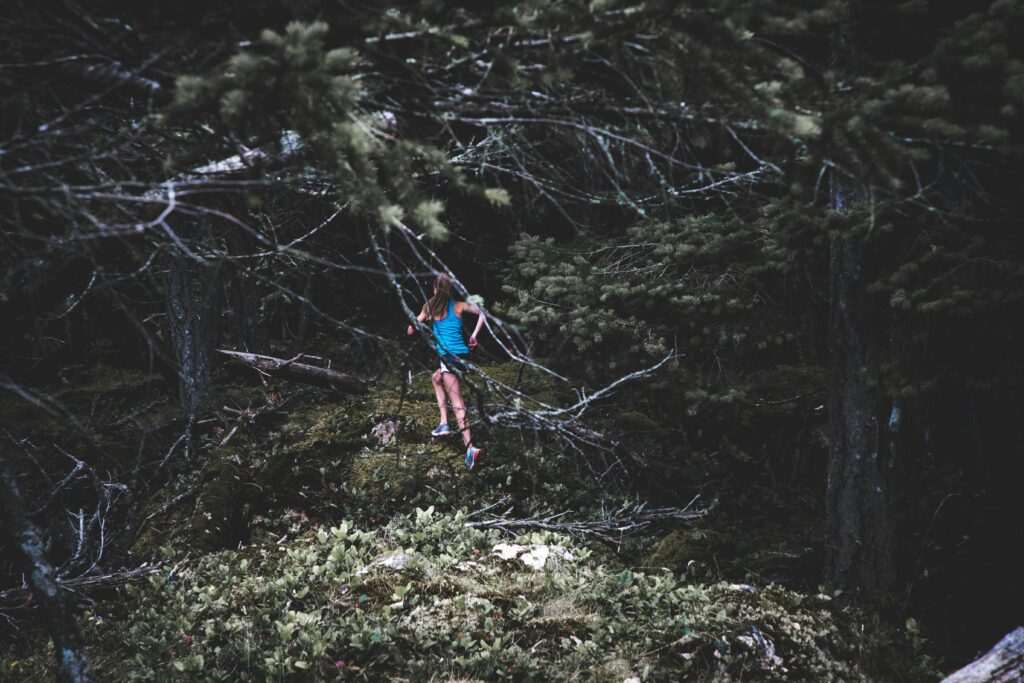
Anchorage has more than 130 miles of maintained trails, a running culture that doesn’t take winters off, and a race calendar that draws competitors from across the state. Whether you’re visiting and want to keep your training moving, relocating and need to know the local scene, or just looking for the best routes to explore the city on foot, here’s everything you need.
Best Running Trails in Anchorage
Tony Knowles Coastal Trail
The 11-mile Tony Knowles Coastal Trail is the signature run in Anchorage. It follows the coastline from downtown south to Kincaid Park, offering unobstructed views of the Knik Arm and, on clear days, Denali and the Alaska Range across the inlet. The trail is paved and relatively flat, making it accessible to all paces and a natural out-and-back for whatever distance you’re after. Moose sightings are common — approach calmly and give them room. In summer, the trail is busy with cyclists, skaters, and walkers; if you want it to yourself, early morning runs (which in June means running at 5am in full daylight) are ideal.
Campbell Creek Trail
The Campbell Creek Greenway runs east-west through Anchorage’s midtown and south side, tracing Campbell Creek for roughly 8 miles. It’s less scenic than the Coastal Trail but more sheltered and often less crowded. The surface alternates between paved and packed gravel, and the tree cover makes it one of the better options on windy days. It connects to several neighborhoods, making it a natural route for locals doing point-to-point runs rather than out-and-backs.
Kincaid Park
Kincaid Park’s trail network covers more than 40 kilometers of paths through coastal forest at the southwest edge of the city. In summer, this is mountain bike and trail running territory — varied terrain, some technical single-track, and excellent views of the inlet from the higher sections. In winter, the same trails convert to groomed Nordic ski routes (it’s one of North America’s top cross-country ski venues), which means trail runners need to shift to other options from roughly December through March. The park’s outer loop is a favorite for longer training runs.
Chugach State Park Trails
The Chugach State Park trail systems east of Anchorage offer a completely different running environment from the city trails — genuine wilderness terrain at the edge of the metro area. Powerline Pass at Glen Alps is a wide, runnable valley that extends for miles into the Chugach. The Flattop Mountain approach trail is steep but short. For more experienced trail runners, the network extends to technical single-track and ridge routes with significant elevation gain. Check conditions before heading out — snow lingers at elevation well into June, and these trails can be muddy and slow in spring. All Chugach State Park trails require bear awareness (more on that below).
University Lake and Goose Lake
Both lakes in midtown have paved loops — University Lake (about 1.3 miles) and Goose Lake (about 0.7 miles) — that are popular for speed work, tempo intervals, and easy recovery runs. They’re well-lit and in the middle of the city, which makes them good options in poor weather or at unusual hours.
Seasonal Running Conditions
Summer (May–September): Running season in its fullest form. The main adjustment is daylight — from mid-May through July, Anchorage gets 18+ hours of sun daily, which means your 10pm run happens in full daylight. It’s disorienting at first but genuinely enjoyable once you calibrate. The light is extraordinary in the long evening hours. Temperatures are mild (50s–60s°F most days), and the trails dry out by late May. This is when the Coastal Trail gets crowded; early mornings or late evenings give you better solitude.
Fall (October–November): The trails thin out quickly after the equinox. Temperatures drop, daylight shortens fast, and the first serious rain and mud season arrives. Trail running in fall requires waterproof shoes and acceptance of muddy conditions. The upside is the solitude — the Chugach in October, with color past peak and the crowds gone, is a genuinely excellent running environment.
Winter (December–March): Anchorage runners don’t stop in winter — they adapt. Studded running shoes are standard equipment; most local running stores stock them. The city’s paved trails are maintained and sanded/salted on icy sections, and packed snow offers surprisingly good traction with the right shoes. Headlamps are essential from November through February given the limited daylight (as few as 5.5 hours around the solstice). Temperature-wise, most Anchorage winters run between 15°F and 35°F for daily highs — cold but manageable with proper layering.
Spring (April–May): The most challenging season for runners. Snowmelt turns trails to mud, and refreezing overnight creates ice traps on seemingly clear paths. Waterproof trail shoes and patience are required. By mid-May the main paved trails are clear and the season proper begins.
Major Local Races
Mayor’s Midnight Sun Marathon — held in late June, this is Anchorage’s marquee road race, with marathon, half marathon, and 5K options. The midnight sun element is real — the race traditionally starts at an hour that puts runners on the course with extraordinary summer light. It regularly sells out; register early if this is your goal.
Skinny Raven races — Skinny Raven Sports, the city’s premier running store, organizes a series of races throughout the year. Their events range from road 5Ks to trail races in the Chugach and have a strong community following. Check their event calendar for the current year’s schedule.
Eklutna Equinox Marathon — a point-to-point trail marathon from Eklutna Lake to a finish in the Matanuska-Susitna Valley, held in September around the fall equinox. It’s a demanding course with significant trail running and elevation — a different challenge from the Mayor’s race. Considered one of the best fall running events in Alaska.
Humpy’s Marathon & Half — another fall road race with a loyal local following, finishing in downtown Anchorage near the namesake bar. The post-race atmosphere is reliably excellent.
Local Running Stores and Clubs
Skinny Raven Sports is the center of Anchorage running culture. They sell technical running gear, have a knowledgeable staff, stock studded winter running shoes, and organize group runs and races. If you’re visiting and want to find out where the locals are running this week, this is your first stop.
REI Anchorage carries running gear alongside their broader outdoor inventory and is a good backup source for trail running equipment.
For running clubs, Skinny Raven organizes group runs regularly, and the Alaska Run for Women and other community running groups maintain active schedules posted on local social media and event boards.
Winter Fitness Alternatives: Fat Biking and Nordic Skiing
When ice and darkness make running less appealing, Anchorage’s winter trail infrastructure offers two excellent alternatives for outdoor fitness:
Fat biking — oversized-tire bikes designed for snow and mud have a devoted Anchorage following. The Coastal Trail, Kincaid, and many informal trails around the city are fat-bike accessible through winter. Rentals are available at several bike shops.
Cross-country skiing at Kincaid Park and Hillside — as mentioned above, Kincaid’s summer trail network converts to one of the best Nordic ski venues in North America. Groomed daily through the ski season, it’s a legitimate world-class fitness resource. The Municipality of Anchorage also grooms Hillside Park trails for Nordic skiing. Both are free. For guided winter outdoor experiences or help navigating Anchorage’s outdoor fitness scene as a newcomer, Adventures by True North offers local expertise across seasons.
Bear Safety for Trail Runners
Running in the Chugach and Kincaid means sharing terrain with both black bears and brown (grizzly) bears. Trail runners are in a higher-risk category than hikers because they move quietly and quickly, which can lead to surprise encounters. A few firm rules:
- Carry bear spray — and know how to use it. Holster it on your hip or chest strap, not buried in a pack. Bear spray is effective; running away is not.
- Make noise — talk, clap, or call out on blind corners and through dense vegetation. Running with headphones is a personal choice, but running with both ears covered in bear country reduces your situational awareness significantly.
- Don’t run alone in low-visibility conditions — dawn, dusk, and overcast days in dense forest are higher-risk windows for surprise encounters.
- Know the difference — if a brown bear charges, stand your ground and deploy bear spray. If a black bear charges and makes contact, fight back. Responses differ, and it’s worth knowing both before you hit the trail.
Most runs in Anchorage’s urban trail network are low-risk. The Chugach backcountry warrants more caution. The Alaska Department of Fish and Game publishes current bear activity advisories — check them before heading into the park if there’s recent activity in an area.
Anchorage rewards runners who commit to it year-round. The city’s infrastructure, the community, and the terrain make it one of the better running cities in North America — just one that requires a slightly different gear kit in February.
Featured photo by Leyla Helvaci via Pexels.
No comments yet.