
Alaska Wildlife Rehabilitation Volunteering 2026 — How to Get Involved Near Anchorage
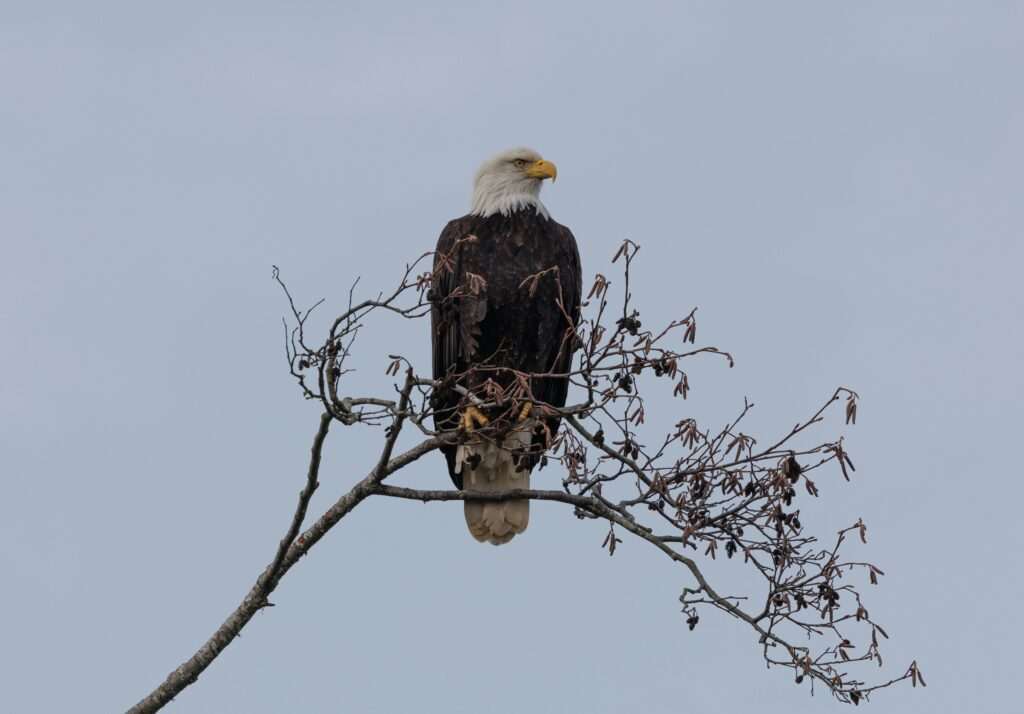
Alaska produces injured and orphaned wildlife at a volume that reflects both the density of its wild populations and the frequency with which those populations intersect with roads, railways, and human activity. A cow moose struck by a train on the Anchorage rail corridor leaves calves that cannot survive without intervention. An eagle recovering from lead poisoning from ingesting contaminated waterfowl carcasses can be treated and returned to the wild if someone has the permits, the facilities, and the knowledge to care for it properly. Wildlife rehabilitation in Alaska is not a niche concern — it is an ongoing practical necessity, sustained by a small number of dedicated organizations and the volunteers who make their work possible. For visitors with the right timing and for residents looking for meaningful community involvement, wildlife rehabilitation volunteering near Anchorage provides access to Alaska’s wild animals in a context that is educational, ecologically important, and genuinely moving.
What Wildlife Rehabilitation Is
Wildlife rehabilitation is the practice of caring for injured, sick, or orphaned wild animals with the explicit goal of releasing them back into their natural habitat. It is distinct from wildlife sanctuary work, where animals are kept permanently because they cannot be released, and from captive breeding programs aimed at species recovery. Rehabilitation success is measured in releases: an animal that returns to the wild is the outcome the entire effort is designed to produce.
The work involves triage, medical care (provided or supervised by licensed wildlife veterinarians), nutritional support, behavioral conditioning to maintain wild instincts during recovery, and carefully staged release. Volunteers support this work in a range of roles — cleaning and maintaining enclosures, preparing species-appropriate food, monitoring animals for behavioral and physical changes, conducting public education, and supporting organizational infrastructure. The skilled veterinary and medical work is performed by licensed professionals; volunteers handle the labor-intensive support tasks that make it possible for those professionals to focus on clinical care.
Why Alaska Presents Unique Challenges
The volume and variety of species requiring rehabilitation in Alaska reflects the state’s exceptional wildlife density. Orphaned bear and moose calves are common intakes: vehicle and train strikes frequently kill adult females, leaving dependent young that cannot survive independently. Brown bear cubs orphaned before fall denning require extended care through their first winter — a resource-intensive commitment that few facilities can sustain. Moose calves, imprinting readily on humans if handled incorrectly, require careful management to maintain enough wildness for eventual release.
Seabirds — murres, puffins, murrelets, and other species common in Cook Inlet and Kachemak Bay — present regularly with oil exposure, entanglement, and collision injuries. Raptors are among the most common rehabilitation patients statewide: bald eagles and golden eagles suffer lead poisoning from ingesting gut piles left by hunters, strike electrical lines and vehicles, and are occasionally injured in territorial conflicts. Alaska’s raptor populations are dense enough that the rehabilitation need is continuous and significant.
Bird TLC: Anchorage’s Primary Raptor and Seabird Rehabilitation Center
The Bird Treatment and Learning Center — universally known as Bird TLC — is Anchorage’s primary wildlife rehabilitation facility and one of the largest raptor rehabilitation operations in the country. Founded in 1988, Bird TLC is a nonprofit organization with a state and federal permit structure allowing it to care for Alaska’s protected bird species, including bald eagles, golden eagles, owls, and numerous seabird species. The center has treated thousands of birds over its history and maintains an active volunteer program that is central to its operations.
Bird TLC volunteers contribute to feeding and enclosure maintenance, patient monitoring, public education events, and the organization’s open house program. The open houses — held several times per year — allow members of the public to visit the facility, meet the rehabilitation staff and volunteers, and see current patients in residence (including long-term residents who cannot be released). Open houses are the most accessible entry point for visitors to the Anchorage area who want direct exposure to Alaska wildlife rehabilitation without committing to a full volunteer role.
The volunteer application process at Bird TLC requires a completed application, attendance at an orientation session, and a commitment to a minimum number of weekly volunteer hours — typically 4 to 6 hours per week for a minimum of several months. Short-term volunteer placements for visitors passing through Anchorage are not available; the training investment required to work safely with raptors makes brief engagements impractical. Prospective long-term volunteers should apply several weeks in advance of their intended start date. Bird TLC’s website lists current volunteer needs and the application process; check there for current details before planning around it.
Alaska Wildlife Conservation Center
The Alaska Wildlife Conservation Center in Portage Valley, 50 miles south of Anchorage on the Seward Highway, operates with an educational and conservation mission that includes caring for wildlife that cannot be released into the wild. While not a rehabilitation facility in the strict sense — most of its residents are permanent rather than temporary patients — the AWCC does take in injured and non-releasable wildlife, and some of those animals eventually contribute to conservation programs. The center’s brown bears, musk oxen, wood bison, caribou, and wolves live in large naturalistic enclosures and are visible to visitors year-round.
For visitors who want to understand the scope of Alaska wildlife care without engaging with the more intensive volunteer commitment that Bird TLC requires, the AWCC is the natural first stop. The staff and educational programming explain what rehabilitation and conservation care actually involve, the specific challenges of the species in residence, and the broader context of wildlife management in Alaska. Several of the AWCC’s resident animals have rehabilitation histories — understanding those histories makes the visit substantially more meaningful.
The Alaska Zoo and Marine Connections
The Alaska Zoo in Anchorage occasionally receives non-releasable wildlife through the state permitting system and maintains educational programming about Alaska’s native species. While not a primary rehabilitation destination, the zoo contributes to the network of facilities that handle wildlife that falls outside the typical rehabilitation pathway. The Alaska SeaLife Center in Seward — a 2.5-hour drive from Anchorage — operates Alaska’s only marine wildlife rehabilitation program, treating injured seals, sea lions, sea otters, and seabirds from the Gulf of Alaska and Prince William Sound. The SeaLife Center’s rescue program handles some of the state’s most complex rehabilitation cases and operates with federal authorization to care for protected marine mammals.
If You Find an Injured Animal in Alaska
The correct first response to finding injured wildlife in Alaska is to call the Alaska Department of Fish and Game (ADF&G) at their wildlife conflict hotline, or to contact Bird TLC directly for birds. Do not attempt to handle raptors — eagles and owls have talons capable of causing serious injury, and stressed birds of prey will use them. Do not handle bears, moose, or other large mammals under any circumstances. For small songbirds that have struck windows, place a cardboard box over the bird to contain and calm it, and call for guidance before attempting further intervention.
ADF&G maintains a list of permitted wildlife rehabilitators in each region of Alaska; the relevant contacts for the Anchorage area are available through the ADF&G website and can be reached by phone for guidance on specific situations. The most important rule: minimize handling and human contact as much as possible until a trained rehabilitator is involved. Imprinting — the process by which young animals associate humans with safety and food — can permanently compromise an animal’s ability to be released, and it happens quickly and irreversibly.
Supporting Rehabilitation Without Volunteering
For visitors whose schedules don’t accommodate a multi-week volunteer commitment, meaningful support is available in other forms. Bird TLC and similar organizations accept donations that directly fund animal care — food, veterinary supplies, and enclosure maintenance are ongoing costs. Some organizations offer animal sponsorship programs that fund the care of specific resident animals and provide periodic updates to sponsors. Spreading awareness about wildlife-vehicle collision risks, responsible waste management that doesn’t attract bears, and the appropriate response to injured wildlife encounters are forms of contribution that require no formal relationship with a rehabilitation organization at all.
Alaska’s wildlife rehabilitation community is small and perpetually under-resourced relative to the need. Organizations like Bird TLC and the Alaska SeaLife Center operate on lean budgets sustained by committed staff, trained volunteers, and community support. A visitor who leaves Alaska with a clearer understanding of what happens to the wildlife they have spent a week watching — and who responds to that understanding with financial support or informed advocacy — contributes to the system that makes those wildlife encounters possible in the first place.
Planning a Volunteer Engagement
Visitors seriously considering wildlife rehabilitation volunteering should contact Bird TLC or other Anchorage-area organizations at least 4 to 6 weeks before their arrival. Confirm current volunteer availability, training schedules, and minimum commitment requirements — these vary by organization and by season. The period from May through September is when intake volume is highest (spring and summer produce the most orphaned young) and when volunteer need is most acute. Winter volunteers work primarily with resident animals receiving long-term care and with organizational infrastructure. Either season offers genuine engagement; summer volunteers are more likely to work with active rehabilitation patients.
The physical demands are moderate: enclosure maintenance involves lifting, bending, and working in outdoor conditions in all weather. Alaska weather is what it is — plan for rain, cold, and the occasional extraordinary morning when the mountains are reflected in still water and the eagle you just fed spreads its wings from its perch and you understand, with considerable specificity, why this work matters.



No comments yet.