
Prince of Wales Island 2026: Southeast Alaska’s Wild, Road-Accessible Giant
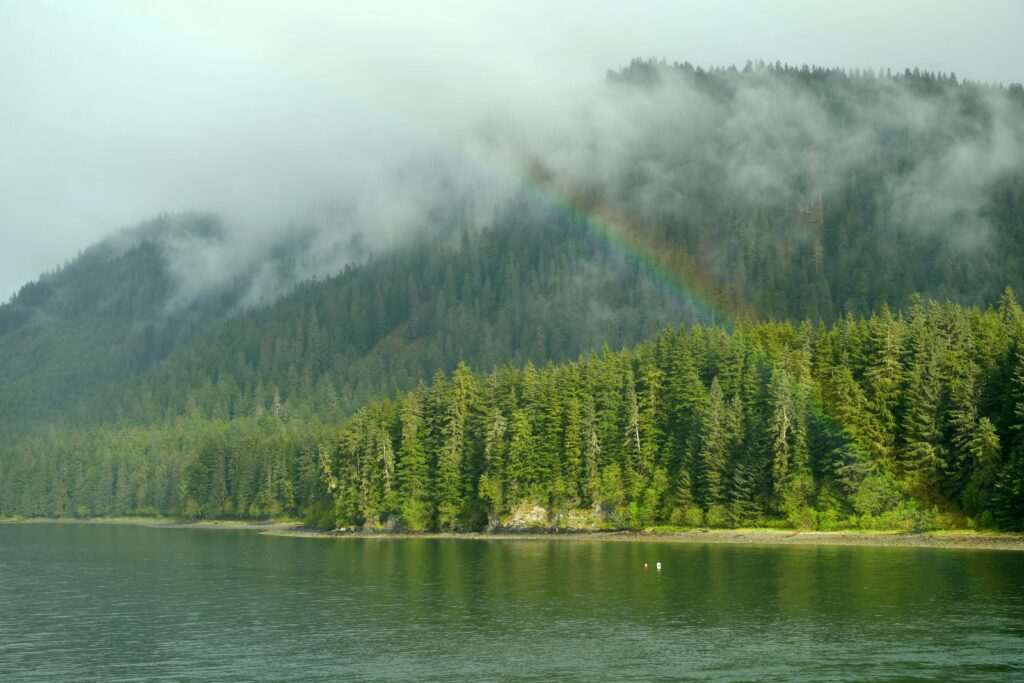
Prince of Wales Island is the third-largest island in the United States — larger than Delaware, larger than Rhode Island, almost the size of Connecticut — and most people have never heard of it. It sits off the coast of Southeast Alaska, accessible by ferry and small plane from Ketchikan, covered in 1,500 miles of roads (mostly former logging roads), ancient rainforest, and a coastline so intricate that a kayaker could spend months exploring it. The permanent population is about 3,000. The island has more bears than people. This is either exactly what you’re looking for, or it isn’t — and that clarity is part of POW’s appeal.
Getting There
Two main options connect POW to the rest of Alaska:
Alaska Marine Highway Ferry: The Ketchikan–Hollis route is the practical choice for visitors bringing a vehicle. The ferry crossing takes 3–4 hours through Clarence Strait, arriving at Hollis on POW’s east coast. From there, a paved road leads west to Craig, the island’s main hub, about 30 minutes away. Ferry schedules vary seasonally — check the Alaska Marine Highway website well in advance, especially if you’re bringing a car.
Small plane: Floatplane and charter flights connect Ketchikan to Craig, Klawock, and Thorne Bay in 20–30 minutes. This is the faster option but limits what you can bring. Several air operators serve the routes from Ketchikan’s waterfront.
Once on the island, you’ll want your own vehicle. The road network is extensive but distances are real, and public transportation doesn’t exist. A rental car or truck is practical; bring cash — many businesses on the island are small and cash-preferred.
El Capitan Cave: Alaska’s Largest Cave System
The biggest surprise on Prince of Wales Island isn’t the fishing or the rainforest — it’s what’s underground. El Capitan Cave, on the island’s northern end near Whale Pass, is the largest known cave system in Alaska: a marble cavern with over a mile of surveyed passages, dramatic formations, and fossilized animal bones that include some of the oldest brown bear remains ever found in North America. The cave has yielded evidence of human occupation going back 10,000 years.
The US Forest Service offers free ranger-guided tours during summer months — typically weekends and some weekdays, limited to small groups, requiring advance reservations. The tour involves ladders, crouching, and some physical effort; it’s not a stroll-through cave. It’s also genuinely extraordinary, and the setting (a trail through old-growth rainforest, then down into a marble karst landscape) makes it one of the more unexpected experiences in Alaska. Book as early as possible — tours fill up weeks in advance.
Fishing: King Salmon and Steelhead Country
Prince of Wales Island is one of the premier fishing destinations in Southeast Alaska, with access to king salmon runs, summer coho, pink and chum salmon, Dolly Varden, and — most coveted among serious anglers — wild steelhead in the island’s many river systems. The steelhead streams on POW are among the best road-accessible wild steelhead fisheries remaining in the world; rivers like Thorne River, Staney Creek, and Karta River draw fly fishermen from across North America who know what’s here and don’t talk about it too loudly.
Saltwater fishing from Craig and other harbors produces king salmon beginning in May, with coho peaking in late summer. Local fishing lodges and guide services operate throughout the season — Craig in particular has a small fleet of charter boats available for day trips and multi-day wilderness fishing experiences. Book through local operators directly; the personalized knowledge of island guides is worth every penny over generic charters.
Haida and Tlingit Heritage: Craig, Klawock, and Hydaburg
Prince of Wales Island is ancestral Tlingit and Haida territory, and the living cultural heritage of both peoples is present across the island. In Klawock, the totem park near the center of town displays 21 totem poles (a mix of originals and replicas of poles brought in from abandoned village sites) — one of the larger accessible totem collections in Southeast Alaska. Hydaburg, on the island’s southern end, is the cultural center of the Alaska Haida people, home to a community that has maintained Haida language and artistic traditions through generations of disruption and recovery.
For visitors seeking deeper context on Alaska’s coastal Native cultures before or after a POW trip, the Alaska Native Heritage Center in Anchorage offers comprehensive programming on Alaska Native peoples including Tlingit and Haida traditions. The Ch’k’iqadi Gallery at the Heritage Center features rotating collections of contemporary and traditional Native Alaskan art.
Kayaking Klawock Inlet and the Coast
The protected waters of Klawock Inlet and the island’s many bays and passages offer sea kayaking that ranges from easy half-day paddles to multi-day coastal wilderness trips. The Inside Passage conditions here are typically calmer than the open Pacific, and the scenery — forested islands, waterfalls coming off ridgelines, eagles overhead, sea otters in the shallows — is classic Southeast Alaska. Several small outfitters on the island offer kayak rentals and guided trips; local knowledge of tides and weather windows is genuinely valuable in these waters.
Mountain Biking the Old Logging Roads
The 1,500 miles of roads on Prince of Wales — originally built for timber harvest, now managed as Forest Service roads — constitute one of the most extensive mountain bike networks in the Pacific Northwest. The terrain varies from gentle forest roads to technical singletrack on old skid trails, and the lack of traffic means you can ride for hours without seeing another vehicle. The island’s low elevation and temperate rainforest climate keep trails rideable for most of the year, though muddy conditions are the norm outside of summer dry spells. Bring a bike if you can — or inquire about rentals in Craig.
Wildlife and the Tongass
Prince of Wales sits in the heart of the Tongass National Forest, the largest national forest in the United States. The old-growth rainforest here — Sitka spruce, western hemlock, red cedar — supports one of the highest densities of black bears in Alaska, plus Sitka black-tailed deer, river otters, mink, wolves, and marten. Bald eagles are as common as ravens. Brown bears inhabit the island in smaller numbers. The Karta River Wilderness, on the island’s east side, is a protected wilderness area with exceptional wildlife habitat accessible by a short boat crossing from Hollis.
Lodging and Practical Notes
Craig has the most accommodation options — a handful of small hotels, fishing lodges, and vacation rentals. Klawock also has lodging. Advance booking is essential in summer, especially for fishing season (May–August). Camping is available at Forest Service campgrounds across the island, and dispersed camping on National Forest land is generally permitted with a few conditions.
Cell service is limited or nonexistent across much of the island. Download maps before you go. Fuel up in Craig or Klawock before heading to the north end — gas stations are few and far between. The general pace of island life is unhurried; embrace it rather than fighting it. The people who live on Prince of Wales year-round chose this life with full knowledge of what it asks of them, and the community warmth toward visitors who show up with genuine curiosity is considerable.
POW rewards the visitor who is willing to research rather than be guided, to ask locals rather than consulting Trip Advisor, and to take the road north on a whim to see what’s at the end of it. Most of the time, something extraordinary is.
Before or after your Prince of Wales Island trip, the Alaska Wildlife Conservation Center near Anchorage offers an accessible wildlife viewing experience.
No comments yet.