
Kachemak Bay State Park 2026: Homer’s Wild Backcountry Across the Bay
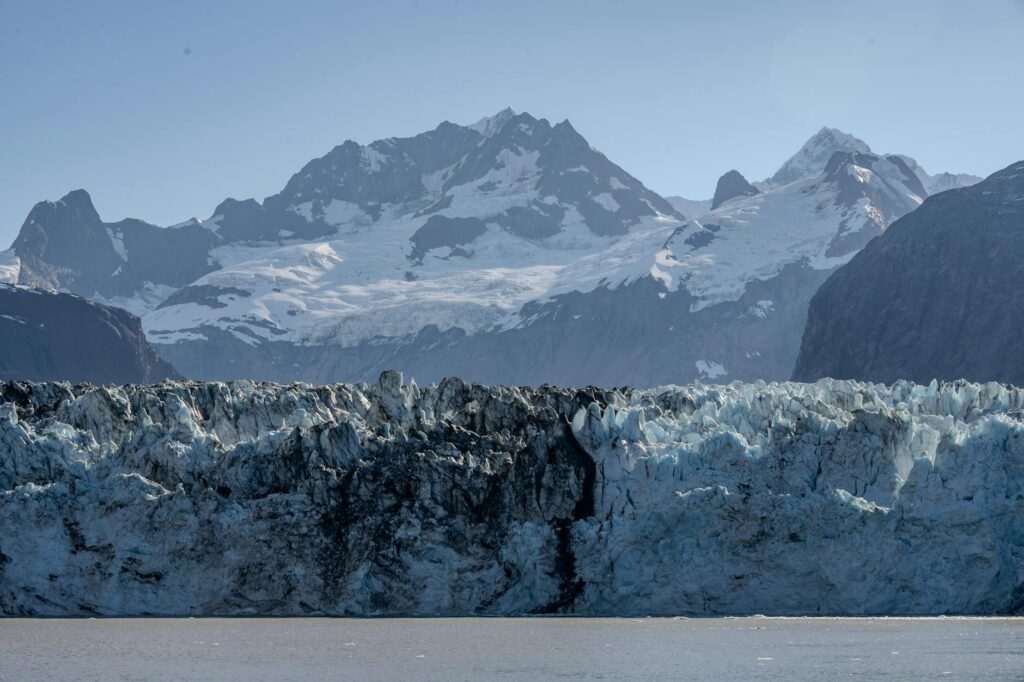
Kachemak Bay State Park sits directly across the water from Homer, visible from the Spit on any clear day — mountains, glaciers, spruce forest, and 400,000 acres of wilderness that has no road access whatsoever. You get there by water taxi, a 15-to-30-minute crossing that delivers you to a landscape as wild as anything in Alaska, 226 miles from Anchorage on a road you have already driven. Alaska’s first state park is also one of its finest, and the combination of accessible trails, a walk-to glacier, excellent sea kayaking, and wildlife density places it among the best day trip or overnight destinations on the Kenai Peninsula.
Getting There: Homer and the Water Taxi
Homer is 226 miles from Anchorage via the Sterling Highway — approximately 4.5 to 5 hours of driving, with the final miles descending to the famous Homer Spit, a narrow gravel finger extending 4.5 miles into Kachemak Bay. All water taxis to the state park depart from the Spit. Multiple operators run the crossing, with services to several park landing sites including Glacier Spit (the trailhead for the Grewingk Glacier Trail), Halibut Cove Lagoon (the main ranger station area and cabin access), and other points along the park shoreline. Round-trip fares typically run $25–$40 per person depending on the operator and destination. The crossing takes 15–30 minutes; coordinate your return pickup time carefully, especially for day trips — the water taxis do not maintain a fixed schedule in the park.
Book your water taxi in advance for summer weekends. Glacier Spit departures on July Saturday mornings fill quickly, and operators run limited capacity boats. Mako’s Water Taxi and Rainbow Tours are among the established Homer Spit operators; current schedules and availability are posted at the Homer Spit marina.
Grewingk Glacier Trail
The Grewingk Glacier Trail is the must-do hike in Kachemak Bay State Park — a 3-mile trail (one way) from Glacier Spit to the terminus of Grewingk Glacier that delivers one of the best accessible glacier experiences in Alaska. The trail begins at the water taxi landing on Glacier Spit and follows a well-maintained path through coastal spruce forest, across glacial outwash flats, and along the lateral moraine of the glacier to the viewing area above the terminus lake.
The glacier lake at the terminus is the destination: a milky turquoise expanse of meltwater studded with floating ice, with the active glacier face rising above it and the Grewingk massif — an outlet of the Harding Icefield — framing the scene above. The ice calves occasionally into the lake; keep a safe distance from the terminus and do not approach floating ice. The roundtrip hike from Glacier Spit takes 3–5 hours at a moderate pace, with minimal elevation gain until the final approach to the lake viewpoint. Boots and waterproof layers are essential regardless of forecast — the coastal microclimate around Kachemak Bay changes rapidly.
Other Trails
The park’s trail network extends well beyond the glacier route for hikers who have more time or want more challenge.
Saddle Trail connects Glacier Spit to Halibut Cove Lagoon, offering an alternative to the water taxi for travelers who want to cross from one area to another on foot. The trail crosses the saddle between the bay and the lagoon through dense coastal forest. Total distance approximately 4 miles with moderate elevation change.
Alpine Ridge Trail branches off the main glacier trail and climbs steeply to the ridge above the Grewingk valley — gaining roughly 1,500 feet over 2 miles and delivering panoramic views of the bay, Homer Spit (visible as a thin line across the water), and the full sweep of the glacier. The ridge is above treeline and exposed to weather; conditions change quickly.
Poot Peak Trail is the most demanding route in the park — a 5-mile round trip to the summit of Poot Peak at 2,540 feet with sustained steep sections and scrambling near the top. The summit view on a clear day encompasses Kachemak Bay, the Alaska Range in the distance, and the glacier complex below. Allow a full day and carry full backcountry kit.
Backcountry Camping and Cabin Reservations
Dispersed backcountry camping is permitted throughout Kachemak Bay State Park; no permit is required, but Leave No Trace practices apply and bear canisters or hang systems are essential given the park’s brown bear population. Developed campgrounds with fire rings and pit toilets are located at Glacier Spit and Halibut Cove Lagoon.
The park maintains a system of public-use cabins available by reservation through the Alaska State Parks reservation system at reserveamerica.com. Cabins are accessible only by water taxi or hiking, and they book quickly for summer weekends — reservations open several months in advance. Typical cabin rental is $45–$75 per night for up to 6 people. The cabins at Halibut Cove Lagoon are the most popular; the Grewingk Glacier area has additional cabin options for those staging an extended glacier exploration.
Sea Kayaking
Kachemak Bay is one of Alaska’s premier sea kayaking destinations, and the park’s protected inner waters — particularly Halibut Cove Lagoon — provide some of the most sheltered coastal paddling on the Kenai Peninsula. The lagoon is a calm, wildlife-rich waterway bordered by spruce and accessible by kayak from either the water taxi landing or by paddling across from Homer.
The open bay crossing from Homer Spit to the park is not recommended for beginners — tidal currents are strong, the water is cold, and conditions can shift quickly. Experienced paddlers make the crossing routinely; others should join a guided tour or arrange water taxi transport for their kayak. Homer-based outfitters offer guided kayaking in the park, ranging from 3-hour introductory paddles in the lagoon to multi-day camping trips along the park coastline. Rentals with water taxi kayak transport are also available for self-guided paddlers with appropriate experience.
Wildlife
Kachemak Bay State Park has exceptional wildlife density for an Alaska park that is accessible within a day trip from Anchorage. Brown bears are present throughout the park and commonly seen on the Grewingk flats and in the forest; carry bear spray and know the protocols. Mountain goats occupy the steep terrain above the glacier; they are visible from the trail with binoculars. Sea otters float in the bay in groups, and the water taxi crossing often passes within close range of rafts. Puffins, murres, and kittiwakes nest on the outer headlands; the inner waters of the lagoon hold loons, ducks, and shorebirds. Harbor porpoise are frequent in the bay, and orca are occasionally spotted on the outer coast.
Halibut Cove Add-On
Halibut Cove, a small community of artists and fishermen on the south shore of Kachemak Bay, makes a natural companion to a park visit. The Danny J ferry runs from Homer Spit to Halibut Cove twice daily in summer, passing through good seabird and wildlife areas on the crossing. The cove itself has a floating boardwalk along the channel, art galleries open to visitors, and the Salty Restaurant — a seasonal seafood restaurant on the water known for its halibut and octopus preparations. Halibut Cove is not wilderness, but it offers a specifically Alaskan version of a community that exists because of the water rather than despite it.
Day Trip vs. Overnight: What to Bring
Day trip essentials: Waterproof boots (trail conditions are wet regardless of weather), rain jacket, bear spray, sufficient food and water for your intended trail, a paper map or downloaded offline GPS (no cell service in the park), and a confirmed water taxi return time.
Overnight additions: Tent rated for coastal Alaska weather (wind and rain likely), sleeping bag rated to 30°F or below, bear canister or hang kit, stove and fuel, and a backup plan for weather delay. The park has no emergency services; cell service is unavailable. A satellite communicator is a reasonable investment for overnight stays.
Best Season
Trail access is reliable from June through September. July and August are the warmest months and have the most predictable weather, though Kachemak Bay’s marine climate means rain is possible on any day. June offers longer daylight and fewer crowds; September brings autumn color in the hillside vegetation and significantly quieter trails. The water taxis run on summer schedules (typically late May through September); check current operating dates before planning a shoulder-season trip.
Kachemak Bay State Park is what Alaska’s wilderness is supposed to be: uncrowded, genuinely remote, and full of the things people come to Alaska to see. The water taxi ride across the bay — watching Homer Spit recede behind you and the glacier come into view ahead — is the beginning of a completely different Alaska than the one on the other side of the water.
Featured photo by Beth Fitzpatrick on Pexels.



No comments yet.