
Anchorage Foodie Guide 2026: International Cuisine, Hidden Gems & Must-Try Dishes
Anchorage surprises first-time visitors who expect a frontier town with limited dining options. The city’s food scene is genuinely diverse — a reflection of Alaska’s unique history as a destination for fishing industry workers, military personnel, and immigrants from across the Pacific Rim. Filipino, Korean, Thai, Mexican, and Ethiopian restaurants share neighborhoods with landmark American diners, innovative pizza joints, and some of the best coffee roasters in the Pacific Northwest. This guide is for the serious food traveler: the eater who wants to know where locals actually go.
Why Anchorage Has Such a Diverse Food Scene
Alaska’s commercial fishing and cannery industry drew large numbers of workers from the Philippines, Japan, Korea, and Mexico throughout the 20th century. Many stayed, established families, and opened restaurants serving the food of their home regions. The military presence at Fort Richardson and Elmendorf Air Force Base added further demographic layers. Today, Anchorage is home to the second-largest concentration of Pacific Islander and Filipino residents per capita of any major American city — and the restaurant culture reflects that heritage directly.
Iconic Anchorage Institutions
Before exploring the international scene, understand what makes Anchorage a food city: its beloved local institutions that have anchored neighborhoods for decades.
Lucky Wishbone is the quintessential Anchorage restaurant. Open since 1955, this cash-only drive-in serves what many residents consider the finest fried chicken in Alaska — crispy, simple, perfectly seasoned. The lines stretch out the door on weekends and the menu hasn’t changed much since Eisenhower was president. Order the chicken, the onion rings, and an orange shake. Don’t miss it.
Gwennie’s Old Alaska Restaurant on Spenard Road is the city’s classic Alaska diner — a landmark since 1960 with mounted wildlife, rough-hewn décor, and massive portions of eggs, reindeer sausage, and biscuits. It’s the kind of breakfast spot where mushers, fishermen, and tourists share counter space without fanfare. Gwennie’s serves breakfast and lunch only; arrive before 9 AM on weekends or expect a wait.
Moose’s Tooth Pub & Pizzeria is consistently ranked among the top pizza restaurants in the entire United States and is arguably the most beloved restaurant in Anchorage. Their signature pies use house-smoked salmon and fresh local ingredients alongside creative combinations that have earned a devoted following since 1996. The pub produces its own craft beer on-site. Expect a 45-minute wait on weekend evenings — and expect it to be worth it.
International Cuisine: The Global Table in Anchorage
Filipino restaurants are perhaps the most underrated gems in Anchorage’s dining scene. Several family-run spots on the east side of the city serve sisig, kare-kare, adobo, and lechon at prices that feel impossibly reasonable. These restaurants rarely advertise aggressively — word of mouth drives them. Ask locals of Filipino descent for their current favorites, as the best spots shift seasonally.
The Korean food scene is anchored by several authentic restaurants in midtown, serving galbi, sundubu jjigae, and dolsot bibimbap alongside the full banchan spread. Korean barbecue spots with tabletop grills are particularly popular in winter, when the communal, warming style of eating suits Alaska’s long dark months perfectly.
Thai restaurants are scattered throughout the city in strip malls and standalone locations, with quality varying considerably. The best tend to be small, family-operated, and slightly off the beaten path. Look for places with Thai-language menus on the wall — a reliable indicator of authenticity and ambition.
Ethiopian food has found a small but devoted audience in Anchorage. The injera-and-stew format travels beautifully to Alaska’s vegetable-friendly palate, and the communal eating style fits the city’s generally informal dining culture. Several spots offer lunch buffets that provide an affordable introduction to the cuisine.
Mexican food in Anchorage ranges from fast-casual to full-service sit-down, with the best results typically coming from family operations with roots in Oaxaca or Michoacán rather than generic Tex-Mex chains. The Papaya Tree Food Truck represents the city’s vibrant food truck culture, offering a rotating international menu at accessible prices. The annual Anchorage Food Truck Festival in summer is the best single event for sampling the breadth of the city’s international street food scene.
Must-Try Alaskan Ingredients and Dishes
Any serious visit to Anchorage’s food scene demands engagement with the uniquely Alaskan ingredients that appear across restaurant menus.
Reindeer sausage is made from farmed reindeer (not wild caribou) and served at diners, food trucks, and breakfast spots across the city. The meat is lean, mildly gamey, and slightly sweet. Gwennie’s and most classic Alaska diners serve it alongside eggs at breakfast. It also appears in street food form at summer festivals — a simple grilled reindeer sausage on a bun with onions and mustard is one of the most authentically Alaskan things you can eat.
Birch syrup is harvested from Alaska’s paper birch trees in early spring — before the trees leaf out — and is far more labor-intensive to produce than maple syrup. The resulting syrup has a complex, slightly smoky, almost balsamic quality that works in both sweet and savory applications. Look for it in cocktails, glazes for salmon, and on breakfast menus at upscale cafes.
Spruce tips emerge in late May and early June — the tender new growth at the ends of spruce branches, harvested before they toughen into needles. They taste like a cross between pine, citrus, and fresh herbs. Adventurous Anchorage restaurants use spruce tips in cocktails, vinaigrettes, compound butters, and ice cream. They are genuinely Alaska-specific and short-seasoned.
Lingonberries grow wild across the Chugach foothills and appear in jams, syrups, and sauces at restaurants throughout the city. They are tart and intense — closer to a cranberry than a blueberry — and work beautifully with game meats and in desserts.
Breakfast and Brunch
Anchorage takes breakfast seriously. Beyond Gwennie’s, the city has a strong café culture that extends to serious brunch service on weekends. Many of the best breakfast spots are connected to the local coffee scene — which in Anchorage means either Kaladi Brothers or one of the independent roasters that have grown up alongside them.
The classic Alaska breakfast formula: eggs, reindeer sausage or smoked salmon, sourdough toast (many Alaska bakers maintain sourdough starters of considerable age), and a good cup of coffee. Finding this combination done well is not difficult in Anchorage — it appears at diners, cafes, and hotel restaurants alike.
Coffee Culture
Anchorage has a genuine coffee culture that punches well above the city’s size. Kaladi Brothers Coffee is the homegrown institution — a local roaster that has been sourcing, roasting, and serving specialty coffee in Anchorage since 1986, long before third-wave coffee terminology existed. Their beans appear in restaurants, offices, and grocery stores across the state.
Snow City Cafe is one of Anchorage’s most beloved breakfast and coffee spots — generous plates, good espresso, and a dining room that fills fast on summer mornings. The city has a vibrant independent coffee culture, making Anchorage a genuine destination for the coffee-minded traveler.
Drive-through espresso stands are a distinctly Pacific Northwest and Alaska phenomenon — small, walk-up or drive-through kiosks that serve fully competent lattes and espresso drinks at outdoor locations. They are everywhere in Anchorage, convenient during long Alaska summer days when nobody wants to sit inside.
Late-Night Eating
Anchorage’s late-night options are limited compared to larger cities, reflecting Alaska’s early-rising outdoor culture. Most restaurants close by 10 PM. However, summer brings a complication: when the sun doesn’t set until nearly midnight, the city’s biological clock shifts. Bars with food service, several 24-hour diners, and late-night pizza and burger spots fill the gap. Moose’s Tooth closes at 11 PM most nights. A handful of downtown bars serve food until midnight or later during peak summer season.
Planning Your Culinary Visit
A few practical notes for the food-focused visitor: cash is still preferred at many of Anchorage’s best old-school diners (Lucky Wishbone is cash-only). Summer brings longer lines everywhere — popular breakfast spots and dinner destinations fill up by 6 PM. Reservations are accepted at most mid-range and upscale restaurants and are worth making for weekend dinner.
Food prices in Anchorage are higher than most continental US cities due to transportation costs, but the premium ingredients — wild salmon, reindeer, Alaska-grown vegetables — justify the price at quality establishments. Budget roughly $15–25 for a casual meal, $35–60 at mid-range sit-down restaurants.
The best single approach for a serious food traveler: start with Gwennie’s or a neighborhood diner for breakfast, explore one international cuisine for lunch, and commit to Moose’s Tooth or another Anchorage institution for dinner. Add coffee at Kaladi Brothers, a walk through the summer food truck festival if timing allows, and a reindeer sausage from a street vendor. That’s Anchorage eating at its best.
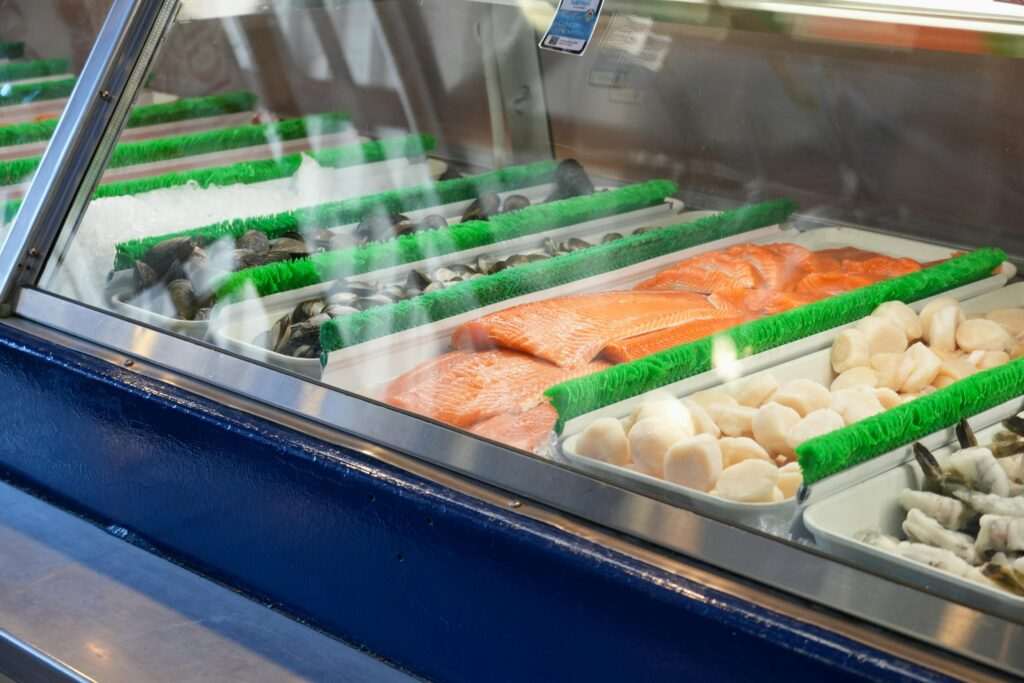
Featured image: Adrian Dorobantu via Pexels. Photo shows colorful street food dishes on display, highlighting diverse cuisines.



No comments yet.