
Anchorage Winter Activities 2026: Dog Mushing, Snowshoeing & More
Anchorage in winter gets a bad reputation from people who’ve never experienced it. The city averages around 75 inches of snowfall a year, temperatures regularly dip below 0°F, and the sun sets before 4pm in December. For the uninitiated, that sounds like a reason to stay home. For the people who live here — and for the visitors who come prepared — it’s the whole point. Alaska winter is a different kind of outdoor experience, and Anchorage is one of the best-positioned cities in North America to access it without a helicopter or a bush plane. Here’s what’s waiting beyond the ski slopes.
Dog Mushing: Alaska’s State Sport
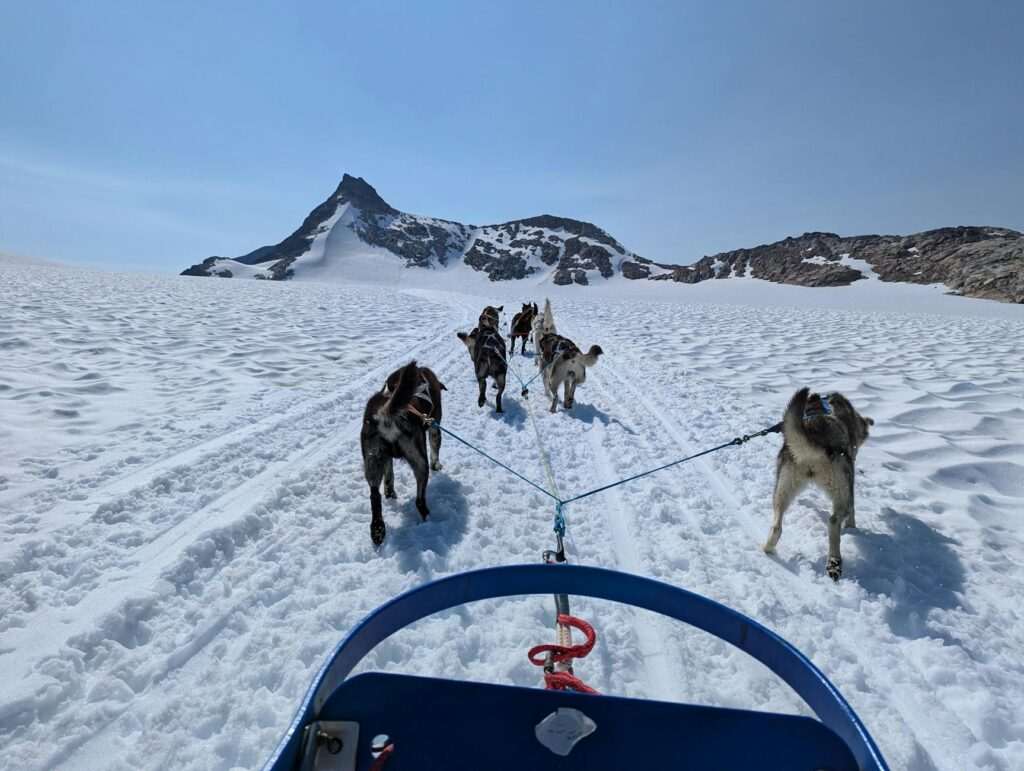
Dog mushing is woven into Alaska’s identity more deeply than any other winter pursuit. The Iditarod Trail Sled Dog Race starts just outside Anchorage every March, and the tradition of working with sled dog teams stretches back thousands of years across Alaska Native cultures. You don’t need to be a racer to experience it.
The Iditarod Trail Headquarters in Wasilla — about 45 minutes north of Anchorage — offers year-round tours and winter mushing demonstrations where you can meet the dogs, learn about the race, and understand what actually goes into running a competitive sled team. For a hands-on experience, several tour operators offer guided mushing trips where you ride in the sled basket or take the handlebar yourself. Salmonberry Travel & Tours includes dog mushing excursions in their Alaska activity portfolio for those who want a guided, packaged experience. Family-friendliness: excellent — children particularly love meeting the dogs.
Snowshoeing: Accessible Backcountry
Snowshoeing requires almost no skill curve and opens up terrain that would be exhausting or dangerous on foot in deep snow. Modern snowshoes are lightweight and strap onto any hiking boot, making this one of the easiest winter activities to pick up on a first visit.
Flattop Mountain: The Flattop Mountain Trail in the Chugach Mountains is Anchorage’s most popular hike in summer, and in winter it becomes an equally compelling snowshoe objective. The upper slopes require avalanche awareness (check conditions before you go), but the lower sections offer accessible terrain with panoramic views of the city and Cook Inlet below. Sunrise and sunset in winter light are especially dramatic here. Bring traction devices for the icy sections near the trailhead — snowshoes alone aren’t enough on glaze ice.
Far North Bicentennial Park: For a flatter, forested experience closer to the city, the Tank Trail at Far North Bicentennial Park winds through Anchorage’s largest urban greenspace. The trail network is groomed in winter and shared with cross-country skiers, so snowshoers should stay to the side of ski tracks. The park feels genuinely remote despite being minutes from major roads — moose sightings are extremely common. Family-friendliness: excellent for all ages.
Cross-Country Skiing at Kincaid Park
Kincaid Park hosts one of the premier cross-country ski facilities in the United States, with over 60 kilometers of groomed trails ranging from beginner-friendly flats to technical racing loops that have hosted World Cup events. The trail system weaves through boreal forest along the coastline, with views of Mount Susitna and the Alaska Range on clear days. The ski center rents equipment, so you don’t need to bring your own. Kincaid is excellent for beginners learning classic technique and for experienced skate-skiers looking for high-quality grooming. Family-friendliness: good — the beginner loops are gentle and well-marked.
Ice Skating
The Dempsey Anderson Ice Arena is Anchorage’s main indoor rink, offering public skating sessions throughout the winter season with rentals available. Beyond the arena, several outdoor rinks appear in city parks when temperatures cooperate — Westchester Lagoon is the most popular outdoor skating venue, where locals clear a path on the frozen lagoon surface and skate against a backdrop of the Alaska Range. There’s no admission charge at Westchester, and the experience of skating outdoors in a bowl of mountains is something you won’t find at a suburban rink. Family-friendliness: excellent at both venues.
Fat Tire Biking
Fat tire bikes — bicycles with 4-to-5-inch-wide tires that float on snow and ice — have transformed winter cycling in Anchorage. The Tony Knowles Coastal Trail is a prime winter fat biking route: 11 miles of paved trail that becomes packed snow in winter, running along the Cook Inlet coastline with unobstructed views of the Alaska Range. Downtown Bicycle Rental offers fat tire bike rentals for visitors who want to try it without buying gear. The learning curve is quick — the wide tires are forgiving on slippery surfaces — and the trail is popular enough that you’ll be in good company. Family-friendliness: good for confident teen riders; challenging for young children.
Snowmobile Tours
Guided snowmobile tours operate out of several locations in the Anchorage area, venturing into the foothills of the Chugach and the wide open terrain of the Matanuska-Susitna Valley. No prior experience is required for guided tours — operators provide safety training and lead you at a pace that matches your comfort level. Half-day and full-day options are available; full-day tours that go deeper into the backcountry offer the most dramatic scenery and are worth the extra time if snowmobiling is a priority. Check local outfitters for current scheduling, as operators and availability shift seasonally. Family-friendliness: operators typically have age and weight minimums for safety; confirm before booking with young children.
Winter Photography
Anchorage in winter produces photographic conditions that simply don’t exist elsewhere: low golden-hour light that stretches for hours rather than minutes, steam rising off Cook Inlet in extreme cold, frost-covered birch forests, and the aurora borealis overhead from September through March. The Flattop Mountain trailhead area, Westchester Lagoon, and the Seward Highway turnouts along Turnagain Arm are all outstanding winter photography locations accessible without a 4WD vehicle on most days. If you want guided instruction, look for local photography workshops that run specifically in winter to take advantage of the light.
Indoor Options for Cold Days
When temperatures drop below -10°F or a storm moves in, Anchorage’s indoor scene holds up well. The Anchorage Museum, Alaska Native Heritage Center, and Bear Tooth Theatrepub are the anchor options (covered separately in the rainy-day guide), but winter specifically brings ice carving events, the annual Fur Rendezvous festival in February, and the Iditarod ceremonial start in early March — a free public event in downtown Anchorage that draws large crowds and gives visitors direct access to the race teams before they head north.
Seasonal Timing and Gear Tips
The core winter activity season runs December through March. January and February typically offer the most reliable snow conditions for mushing, skiing, and snowshoeing. March brings the Iditarod and the first hints of longer daylight, making it a particularly popular month.
Gear essentials for Anchorage winter:
- Base layer: Merino wool or synthetic moisture-wicking material — never cotton, which holds moisture and accelerates heat loss
- Insulating mid-layer: Down or fleece, depending on activity level
- Windproof outer shell: Essential at any exposed location, including Flattop and the coastal trail
- Insulated waterproof boots: Rated to at least -20°F for sustained outdoor activities
- Hand and foot warmers: Cheap insurance and worth carrying on any outdoor outing
- Balaclava or face coverage: In temperatures below 0°F, exposed skin loses heat quickly
Anchorage winter rewards preparation. The activities that seem inaccessible from the outside become, with the right gear and a little local knowledge, some of the most memorable experiences Alaska offers.

No comments yet.