Alaska Summer RV and Camping Guide: Complete 2026 Handbook
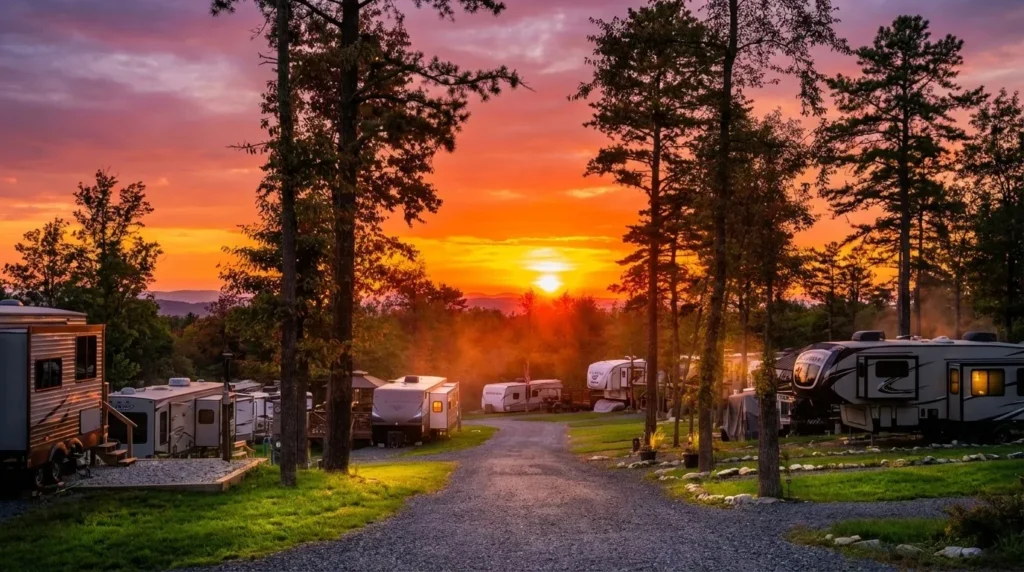
Planning an RV adventure through Alaska? Summer camping in the Last Frontier offers unparalleled freedom to explore at your own pace while staying connected to Alaska’s incredible wilderness. From full-hookup RV parks in Anchorage to primitive boondocking spots with million-dollar views, this comprehensive guide covers everything you need for a successful Alaska RV camping experience.
Why Alaska is Perfect for RV Travel
Alaska’s vast distances and remote destinations make RVs ideal for exploring beyond typical tourist routes. You’ll have the flexibility to stay longer at spectacular locations, cook your own meals with fresh Alaska seafood, and maintain comfortable accommodations regardless of weather conditions.
Summer’s extended daylight hours (up to 19 hours in Anchorage during solstice) provide incredible flexibility for driving, sightseeing, and outdoor activities. The midnight sun means you can drive scenic highways during optimal lighting conditions and never feel rushed to reach campgrounds before dark.
Alaska’s RV infrastructure has improved dramatically over recent decades. You’ll find everything from luxury resort-style RV parks to remote wilderness camping areas, plus excellent support services for maintenance and supplies throughout the state.
Best RV Parks and Campgrounds in Alaska
Alaska offers diverse camping options from full-service RV resorts to primitive wilderness sites. Choosing the right mix ensures comfort while maximizing your wilderness experience.
Anchorage Area RV Parks
Anchorage serves as most visitors’ entry point and provides excellent RV services. Chugach State Park Campgrounds offer stunning mountain views with easy access to hiking trails and wildlife viewing. These campgrounds provide the perfect introduction to Alaska camping with modern facilities and spectacular settings.
Ship Creek Landings RV Park sits just minutes from downtown Anchorage, providing full hookups with city convenience. You’ll be walking distance from restaurants, shopping, and the famous Ship Creek salmon fishing, making it ideal for first-night arrivals or final-night departures.
Creekwood Inn RV Park offers luxury amenities including cable TV, WiFi, and spotless facilities while maintaining easy highway access for day trips to Portage Glacier or Seward. This makes an excellent base for exploring Southcentral Alaska without daily travel.
Kenai Peninsula Camping
The Kenai Peninsula provides Alaska’s most accessible camping diversity, from coastal campgrounds to alpine settings. Seward’s various RV parks offer excellent access to Kenai Fjords National Park and world-class halibut fishing charters.
Homer offers spectacular camping with Cook Inlet views and easy access to fishing charters, art galleries, and the famous Homer Spit. Many campgrounds here cater specifically to RVs with excellent coastal views and fishing access.
Soldotna campgrounds position you perfectly for world-class salmon fishing on the Kenai River. Book early during peak salmon runs (July-August) as these spots fill quickly with serious anglers.
Interior Alaska Campgrounds
Denali National Park area campgrounds provide access to North America’s tallest peak and incredible wildlife viewing. Savage River Campground offers the most accessible Denali camping with shuttle access deeper into the park.
Fairbanks area camping provides midnight sun experiences and northern lights viewing opportunities (late August-September). Pioneer Park RV camping puts you within walking distance of museums, shops, and cultural attractions.
Southeast Alaska Options
While most Southeast Alaska is accessible only by ferry, several communities offer excellent RV camping. Haines and Skagway provide ferry-accessible camping with incredible scenery and gold rush history.
RV Preparation for Alaska Conditions
Alaska’s challenging roads and variable weather require specific RV preparations that go beyond typical camping trips.
Essential RV Equipment
Tire preparation is critical for Alaska’s diverse road conditions. Carry two full-size spare tires, tire pressure monitoring systems, and tire repair kits. GoNorth Alaska provides fully equipped rental RVs specifically prepared for Alaska conditions, including all recommended safety equipment.
Battery systems require upgrading for extended boondocking opportunities. Install additional deep-cycle batteries, solar charging panels, and LED lighting to maximize off-grid camping potential. Alaska’s long summer days make solar charging extremely effective.
Propane systems need inspection and potentially larger tanks for extended wilderness camping. Alaska’s remote locations may have limited propane availability, so plan accordingly for heating, cooking, and hot water needs.
Fresh water storage becomes critical when boondocking in areas without services. Carry extra water containers, water treatment tablets, and understand your RV’s water capacity limitations.
Mechanical Preparations
Engine preparation includes recent oil changes, brake inspections, and transmission servicing. Alaska’s mountainous terrain and long distances stress RV systems more than typical camping trips.
Cooling system maintenance prevents overheating on long mountain grades. Check radiator condition, coolant levels, and consider auxiliary transmission cooling for heavier RVs.
Emergency equipment should include jumper cables, basic tools, emergency food supplies, and first aid kits. Cell phone coverage is sporadic in Alaska’s wilderness areas, making self-sufficiency essential.
Camping Safety and Bear Awareness
Alaska’s wildlife adds excitement to camping but requires serious preparation and awareness for safe coexistence.
Bear Safety Fundamentals
Food storage in bear-resistant containers or RV refrigerators prevents dangerous encounters. Never leave food, toiletries, or scented items outside your RV. Even seemingly innocent items like toothpaste or soap can attract curious bears.
Campsite management includes keeping cooking areas clean, disposing of garbage properly, and never feeding wildlife. Many Alaska campgrounds provide bear-resistant dumpsters and food storage lockers – use them religiously.
Bear spray should be easily accessible whenever you’re outside your RV. Learn proper usage before your trip – it’s highly effective when used correctly but requires practice and confidence.
Noise awareness helps avoid surprising bears. Make noise when walking around your campsite, especially during dawn or dusk when bears are most active. Most bear encounters result from mutual surprise rather than aggressive behavior.
General Wildlife Safety
Moose encounters are actually more dangerous than bear encounters for most campers. Give moose extremely wide berth, especially during rutting season (September-October) or when cows have calves (spring-early summer).
Ground squirrels and ravens are persistent camp thieves but pose no direct danger. Secure all food and interesting objects inside your RV to prevent wildlife from becoming habituated to human food sources.
Insect protection includes mosquito netting, effective repellents, and screening for RV openings. Alaska’s mosquitos and biting flies can be intense during certain weather conditions and locations.
Boondocking vs Full-Hookup Options
Alaska offers incredible diversity in camping styles, from luxury RV resorts to primitive wilderness spots accessible only by challenging roads.
Full-Hookup RV Parks
Full-service parks provide electricity, water, sewer, and often cable TV and WiFi. These work well for first and last nights, during bad weather, or when you need to catch up on laundry and RV maintenance.
Amenities often include hot showers, laundromats, dump stations, and sometimes recreational facilities. Prices range from $40-80 per night, depending on location and services provided.
Reservations are essential during peak season (June-August) for popular full-hookup parks. Book several months ahead for prime locations near national parks or popular fishing areas.
Boondocking Opportunities
Alaska’s vast public lands provide unlimited free camping opportunities for self-sufficient RVs. Chugach State Park offers numerous primitive camping areas with incredible scenery and easy access to hiking trails.
Bureau of Land Management (BLM) and National Forest lands allow 14-day camping limits in most areas. Popular boondocking spots include areas along the Dalton Highway, remote sections of the Parks Highway, and scenic pullouts with mountain or water views.
Preparation for boondocking requires self-sufficiency in water, power, waste disposal, and emergency supplies. Solar panels, extra batteries, and water conservation become essential for extended wilderness camping.
Waste management planning includes understanding dump station locations and schedules. Fred Meyer Midtown Anchorage and Walmart Anchorage often allow overnight parking and provide convenient supply stops during extended boondocking trips.
Essential Supplies and Gear
Alaska’s remote locations and challenging conditions require more comprehensive supply planning than typical RV trips.
Outdoor Gear Essentials
REI Anchorage provides comprehensive outdoor gear for Alaska adventures, including hiking equipment, fishing gear, and camping accessories. Their knowledgeable staff offers excellent advice about Alaska-specific gear needs.
Big Ray’s specializes in Alaska outdoor equipment with decades of local expertise. They stock everything from bear spray to fishing licenses, plus gear specifically chosen for Alaska conditions.
Weather protection includes quality rain gear, warm layers, and waterproof footwear. Alaska’s summer weather can change rapidly from sunny to cold and wet, requiring versatile clothing systems.
RV Maintenance Supplies
Parts availability becomes critical in remote areas. Carry spare fuses, light bulbs, water pump parts, and basic plumbing supplies. Alaska’s rough roads and extreme conditions can accelerate normal wear on RV systems.
Tools should include basic mechanical and electrical repair capabilities. A well-equipped tool kit can save expensive emergency service calls in remote locations where professional help may be hours away.
Emergency communication devices like satellite messengers provide peace of mind in areas without cell phone coverage. Alaska’s vast wilderness areas often lack any communication infrastructure.
Food and Cooking Supplies
Non-perishable food storage becomes important for extended wilderness camping. Plan for several days without resupply opportunities, especially when exploring remote areas like the Dalton Highway or back roads.
Water purification systems allow you to utilize Alaska’s abundant freshwater sources safely. Many wilderness areas have excellent water quality, but proper filtration prevents illness in remote locations.
Cooking fuel planning includes propane tank levels and backup cooking methods. Remote areas may not have propane refill stations, making fuel management critical for extended trips.
Reservation Strategies and Peak Season Tips
Alaska’s short summer season creates intense demand for quality camping spots, requiring strategic planning and flexible alternatives.
Advance Booking Strategies
Popular campgrounds near national parks and famous fishing areas book solid from May through September. Make reservations 6 months in advance for prime locations during peak season (July-August).
Flexible travel dates allow you to find better availability and potentially better rates. Weekday arrivals often have better availability than weekend check-ins, even in popular destinations.
Backup plans should include multiple campground options for each planned stop. Weather, road conditions, or RV issues may require alternative accommodations on short notice.
Peak Season Navigation
Early season travel (May-mid June) offers better availability, fewer crowds, and often better wildlife viewing as animals emerge from winter. However, some high-altitude campgrounds may still be closed due to snow.
Late season travel (late August-September) provides beautiful fall colors, northern lights viewing opportunities, and reduced crowds. Weather becomes more variable, requiring flexible planning.
Mid-season alternatives include exploring less popular but equally beautiful areas. Chugach National Forest Scenic Drives provide access to spectacular but less crowded camping areas throughout Southcentral Alaska.
Budget Planning for Alaska RV Camping
Understanding Alaska’s unique costs helps you budget accurately for extended RV adventures without financial surprises.
Fuel Cost Considerations
Fuel prices in Alaska typically run 30-50% higher than Lower 48 averages, with remote areas costing significantly more. Plan fuel budgets accordingly and consider carrying extra fuel for remote area exploration.
Fuel availability requires planning between major population centers. Some remote highways have limited fuel stations with restricted hours or seasonal closures.
Campground Cost Planning
Alaska campground costs range from free (primitive sites) to $80+ per night (luxury RV resorts). Budget approximately $40-60 per night for quality campgrounds with basic hookups.
Weekly and monthly rates often provide significant savings for extended stays. Consider longer stays in strategic locations rather than constant movement to reduce costs and stress.
Supply Cost Management
Grocery costs run higher in Alaska, especially for fresh produce and specialty items. Stock up on non-perishables before entering remote areas where selection is limited and prices elevated.
Alaska Outdoor Gear Rental provides cost-effective alternatives to purchasing specialized equipment you may only use during your Alaska trip. Renting expensive items like fishing gear or hiking equipment can significantly reduce trip costs.
Seasonal Timing and Weather Preparation
Alaska’s dramatic seasonal variations require careful timing and weather preparation for optimal RV experiences.
Early Summer (May-June)
Early season offers excellent wildlife viewing as animals emerge from winter, spectacular wildflower displays, and reduced tourist crowds. However, some high-elevation campgrounds may still be inaccessible due to snow.
Weather can be highly variable with rapid changes from warm and sunny to cold and wet. Pack comprehensive weather protection and be prepared for potential heating needs during cool nights.
Peak Summer (July-August)
Peak season provides the most reliable weather, longest daylight hours, and full access to all campgrounds and roads. This is prime time for families and first-time Alaska visitors.
Crowds and high prices are trade-offs for optimal conditions. Advanced reservations become essential, and popular areas can feel congested during peak periods.
Late Summer (August-September)
Late season offers spectacular fall colors, potential northern lights viewing (September), and excellent fishing opportunities. Weather becomes more variable but crowds diminish significantly.
Equipment preparation should include warmer sleeping gear and heating capabilities as nighttime temperatures drop considerably from midsummer highs.
Creating Your Perfect Alaska RV Adventure
Alaska RV camping rewards careful planning with unparalleled freedom to explore one of North America’s last true wilderness frontiers. The combination of modern RV comfort and Alaska’s incredible wilderness creates experiences impossible to replicate anywhere else.
Start with major destinations like Denali, Kenai Fjords, and Glacier Bay, then build in flexibility for discoveries along the way. Alaska’s best experiences often happen spontaneously when you have the freedom to extend stays or explore unexpected opportunities.
Remember that Alaska rewards patience and flexibility over rigid schedules. Weather, wildlife sightings, and local recommendations often lead to the most memorable experiences of your trip.
Whether you choose luxury RV parks with full amenities or primitive wilderness camping under the midnight sun, Alaska delivers adventures that will inspire return trips for years to come. Pack your sense of adventure along with your bear spray, and prepare for the RV trip of a lifetime in America’s Last Frontier.


No comments yet.