
Wildlife Viewing Calendar: What to See in Anchorage May & June
May and June are incredible months for wildlife viewing around Anchorage. As Alaska awakens from winter, you’ll witness an explosion of activity from moose, bears, migratory birds, and marine mammals. Here’s your complete guide to what to see and where to find it during late spring and early summer in Alaska’s largest city.
Moose: Peak Viewing Season
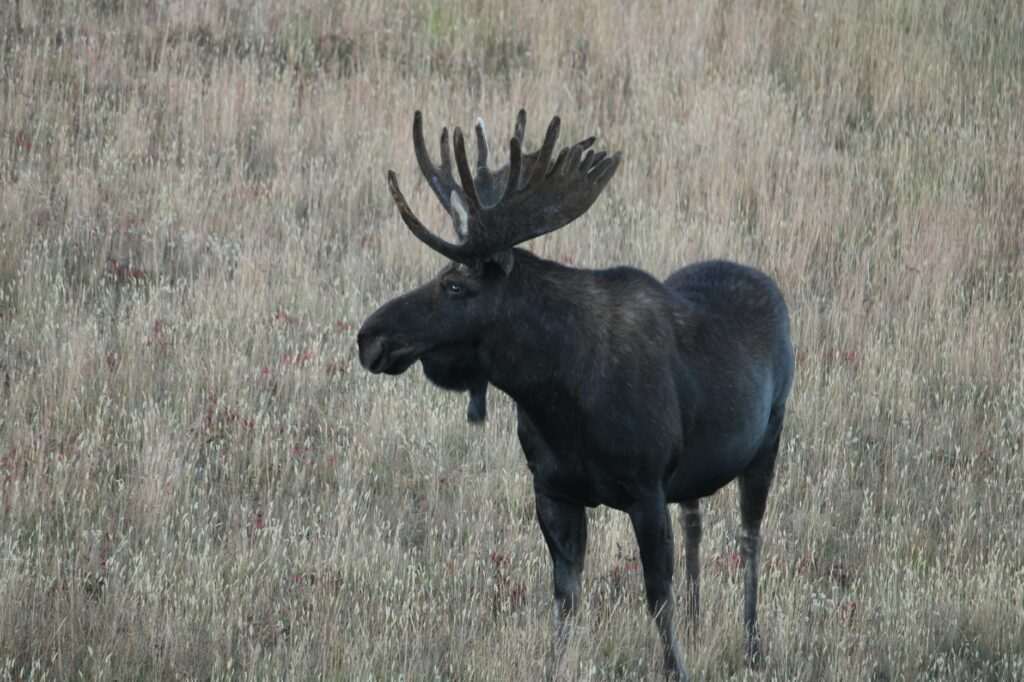
May and June mark peak moose viewing season in Anchorage. New calves stick close to their mothers, creating fantastic photography opportunities in urban parks and wooded areas.
Best Locations for Moose
- Kincaid Park: Early morning and late evening hours offer the best chances
- Campbell Creek Greenbelt: Year-round residents frequently graze here
- University of Alaska Anchorage campus: Don’t be surprised to see them on your way to class
- Russian Jack Springs Park: Families often spot moose near the playground areas
Safety Tip: Keep at least 25 feet away from moose, especially cows with calves. They’re more aggressive during this protective period.
Black and Brown Bears: Emerging from Hibernation
As salmon runs haven’t started yet, bears focus on vegetation and small prey. This makes May and June excellent for observing their natural foraging behavior.
Prime Bear Watching Spots
- Ship Creek: Bears fish for early salmon runs and hunt spawning fish
- Bird Creek: Twenty minutes south of Anchorage, perfect for day trips
- Turnagain Arm: Drive the scenic highway and watch for bears on mudflats
- Chugach State Park trails: Always hike with bear spray and make noise
For guided bear viewing experiences, consider booking with Major Marine Tours, which offers wildlife cruises where you might spot coastal brown bears along Prince William Sound shorelines.
Migratory Birds: Spring Migration Peak
May brings waves of migratory birds returning to Alaska for breeding season. Bird watchers consider this one of the best times of year for diversity.
Top Birding Locations
- Potter Marsh: Boardwalk trails offer easy access to waterfowl viewing
- Westchester Lagoon: Downtown location perfect for lunch-break birding
- Anchorage Coastal Trail: Eleven-mile paved trail with multiple bird habitats
- Creamer’s Field Migratory Waterfowl Refuge: Just outside Anchorage, worth the drive
What You’ll See: Sandhill cranes, various duck species, Canada geese, bald eagles, and numerous songbirds returning from southern wintering grounds.
Marine Wildlife: Cook Inlet Residents
Cook Inlet’s waters teem with marine life during late spring and early summer. The warmer weather makes waterfront viewing more comfortable.
Marine Wildlife Highlights
- Beluga whales: Best viewed from Ship Creek area during high tide
- Stellar sea lions: Visible from coastal viewpoints
- Harbor seals: Often spotted hauled out on mudflats
- Various seabirds: Puffins, murres, and cormorants
For closer marine wildlife encounters, Prince William Sound Kayak Center offers guided kayak tours where you’ll paddle alongside seals and sea otters in their natural habitat.
Family-Friendly Wildlife Viewing
May and June weather makes wildlife viewing accessible for families with children. Pack layers, as Anchorage weather can change quickly.
Easy Access Locations
- Tony Knowles Coastal Trail: Paved, flat, perfect for strollers
- Earthquake Park: Short walks with interpretive signs
- Flattop Mountain area: Even the parking lot offers wildlife viewing opportunities
For families wanting guided experiences, Chugach Adventures provides wildlife-focused day tours suitable for all ages, combining education with outdoor adventure.
Photography Tips for Alaska Wildlife
Essential Gear
- Telephoto lens: 300mm minimum for safe distance photography
- Binoculars: 8×42 or 10×42 for detailed viewing
- Weather protection: Waterproof camera bags and lens cloths
- Extra batteries: Cold weather drains power quickly
Timing and Light
Golden hour photography is extended during Alaska’s long spring days. Sunrise around 5:30 AM and sunset after 10 PM provide incredible lighting opportunities for wildlife photography.
Planning Your Wildlife Adventure
What to Bring
- Layered clothing (weather changes quickly)
- Waterproof boots for muddy trails
- Bear spray for backcountry areas
- Snacks and water
- Camera with extra memory cards
Best Times of Day
Early morning (5-9 AM): Most active period for mammals
Late afternoon/evening (6-10 PM): Second peak activity period
Midday: Better for marine wildlife viewing from coastal areas
Day Trip Opportunities
Combine wildlife viewing with scenic Alaska experiences by visiting Portage Glacier, where you might spot mountain goats, black bears, and various bird species during the scenic drive through Turnagain Pass.
For hiking enthusiasts, the Williwaw Lakes Trail offers backcountry wildlife viewing opportunities, though this challenging hike requires proper preparation and bear awareness.
Wildlife Viewing Ethics
Respect Wildlife and Habitat
- Maintain safe distances (25 feet from moose, 100 feet from bears)
- Never feed wildlife
- Stay on designated trails
- Pack out all trash
- Keep dogs leashed in wildlife areas
Emergency Preparedness
Always inform someone of your plans, carry emergency communication devices in remote areas, and know how to react to wildlife encounters. Alaska ‘s wilderness is beautiful but demands respect.
Frequently Asked Questions
When is the best time to see moose with calves?
May through July offers the best opportunities to observe cow moose with their new calves. Early morning and evening hours provide optimal viewing chances, as moose are most active during these cooler periods.
Are there guided wildlife tours available from Anchorage?
Yes, several operators offer guided wildlife viewing experiences. These range from marine wildlife cruises to land-based tours that focus on specific species like bears or birds. Guided tours provide expert knowledge and increase your chances of successful wildlife encounters.
What should I do if I encounter a bear while wildlife viewing?
Stay calm, don’t run, and slowly back away while facing the bear. Make yourself appear large, speak in a calm voice, and give the bear plenty of space to leave. Always carry bear spray in bear country and know how to use it properly.
Can I see the Northern Lights during May and June in Anchorage?
Northern Lights are generally not visible during May and June due to Alaska’s long daylight hours. The best aurora viewing season runs from September through March when nights are darker.
Featured photo by Tim Kirkland on Pexels.


No comments yet.