
Wildlife & Nature Photography in Anchorage 2026: Best Spots, Tours & Tips
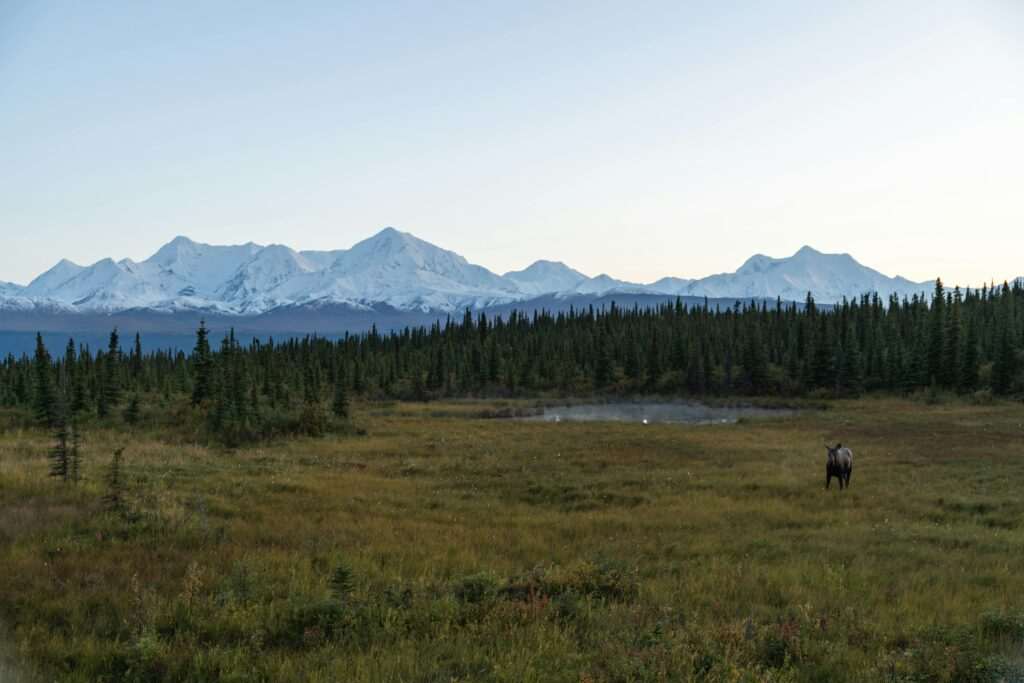
Anchorage is one of the few cities in North America where a serious wildlife photographer can wake up, walk ten minutes, and be photographing moose in genuine habitat before breakfast. The Chugach Mountains rise directly behind the city, the coastal wetlands begin at the edge of downtown, and the road south along Turnagain Arm passes through terrain that would be a day trip from most other wilderness photography destinations. Wildlife and nature photography near Anchorage isn’t a niche interest — it’s one of the primary reasons photographers come to Alaska, and the city is exceptionally well-positioned as a base for it.
Potter Marsh Bird Sanctuary
The Potter Marsh Bird Sanctuary, located 10 miles south of downtown Anchorage along the Seward Highway, is the best accessible waterfowl and migratory bird photography location near the city. The marsh sits along the Pacific Flyway and hosts hundreds of species during spring and fall migration, with resident populations of Arctic terns, trumpeter swans, Canada geese, various duck species, and occasional moose wading through the shallower sections. A boardwalk runs through the heart of the marsh and puts you level with the vegetation — much closer to waterfowl than you’d achieve from a shore position. Morning light in summer hits the marsh from the east and provides ideal conditions from roughly 6 to 9 a.m. A 200-400mm telephoto handles most bird subjects well at Potter Marsh; swans and geese often tolerate closer approach.
Tony Knowles Coastal Trail: Beluga Season and Coastal Birds
The Tony Knowles Coastal Trail runs 11 miles along the west edge of Anchorage and provides access to Cook Inlet for the single most distinctive wildlife photography opportunity the city offers: beluga whale encounters during summer feeding runs. From July through early September, pods of beluga whales enter the inlet to feed on salmon, and they’re visible from the trail — white against the dark water, close enough on some tides to hear them breathe. The best positions are along the sections of trail closest to the inlet at high tide, particularly near Westchester Lagoon and Earthquake Park. Eagles work the shoreline year-round, and the lower sections of the trail during salmon run season produce bear sightings in some years. A 400mm or longer telephoto is ideal for beluga photography from shore; a 70-200mm handles eagle subjects.
Alaska Wildlife Conservation Center
The Alaska Wildlife Conservation Center, 50 miles south of Anchorage near Portage, is the most reliable location near the city for photographing large Alaska mammals at close range. The center is a wildlife sanctuary housing bears, moose, bison, musk oxen, reindeer, and wolves — all Alaska-native species — in large enclosures that allow natural behavior photography that’s impossible to replicate in the wild. This isn’t a substitute for wilderness photography, but it solves a real problem: Alaska’s wild animals are spread across vast terrain and often photographed at extreme distance. At AWCC, you can achieve detailed portraits of a brown bear in natural posture with a 200mm lens rather than a 600mm on a beanbag in the back of a vehicle. Opening around 8 a.m. in summer; morning visits minimize crowds and maximize natural light quality.
Chugach State Park: Bears, Moose, and Alpine Wildlife
Chugach State Park occupies nearly 500,000 acres of the Chugach Mountains directly behind Anchorage — one of the largest urban-adjacent wilderness parks in the United States. For photographers, it provides access to moose in river bottom habitat, Dall sheep on the ridge crests above 4,000 feet, and brown and black bear sightings on trails that pass through berry-producing terrain in late summer. The Powerline Trail, Eagle River, and the various trailheads off Hillside Drive all provide reliable wildlife encounter opportunity with hiking distances that suit most fitness levels. Late August and September are the peak seasons for bear activity as they feed on late blueberries and highbush cranberries before denning.
Kincaid Park: Lynx, Owls, and Winter Tracks
Kincaid Park at the western end of Anchorage covers 1,400 acres of boreal forest and is the best location near the city for winter wildlife photography. Canada lynx have been sighted regularly in the park’s spruce forest — elusive but photographically extraordinary when encountered. Great horned owls and great gray owls work the park’s forest edges through fall and winter, and the park’s mixed terrain holds snowshoe hare populations that support both predator species. In winter, the park doubles as a Nordic ski venue, which means the trails are packed and navigable — useful for accessing the deeper forest sections where owl habitat is located. Early morning in winter light, particularly on clear days with fresh snow, produces track photography and forest atmosphere that doesn’t require a live subject to be worth the trip.
Ship Creek: Salmon Run Photography
The Ship Creek Trail corridor through downtown Anchorage hosts one of the more unusual wildlife photography situations in North America: a salmon run accessible within walking distance of office buildings and the Alaska Railroad depot. From late June through August, king salmon and silver salmon move up Ship Creek to spawn, and the concentration of fish — visible from the creek banks — draws eagles, gulls, and occasionally bears in the lower stretches. The salmon themselves photograph well in clear water with a polarizing filter to reduce surface glare. The setting is industrial rather than wilderness, but the wildlife itself is genuine, and the juxtaposition of urban Anchorage and spawning salmon is a story image that pure wilderness locations can’t produce.
Northern Lights Photography Near Anchorage
The aurora season near Anchorage runs from late August through April, with peak geomagnetic activity correlating to winter months rather than summer darkness. The city’s light pollution is a factor — for the best aurora photography, you need to get outside the core urban glow, which means driving 20-30 miles into the Chugach foothills, to the Turnagain Arm corridor south of the city, or north toward Wasilla on clear nights. The Seward Highway south of Anchorage provides dark pullouts with open views to the north, which is where aurora activity appears. Geomagnetic forecasting via NOAA’s Space Weather Prediction Center or apps like Aurora Forecast gives several hours of useful warning on active nights.
Camera settings for aurora photography are roughly: ISO 1600-3200, aperture f/2.8 or wider, shutter 5-15 seconds depending on aurora movement speed. A sturdy tripod is non-negotiable. The cold at Anchorage latitude — temperatures can drop to -10°F or colder in peak winter — means battery life drops significantly; carry warm spares. A wide-angle lens in the 14-24mm range captures the arc and spread of the display; a 24-70mm works for tighter compositions with foreground elements.
The Seward Highway Corridor
The Seward Highway south of Anchorage is a wildlife photography corridor in its own right. The highway runs along Turnagain Arm — a documented beluga whale habitat — and continues south through Chugach National Forest terrain before reaching the Portage Valley and the Kenai Peninsula. Dall sheep are frequently visible on the cliffs above the road between Anchorage and Girdwood, typically in the first 30 miles of the drive south. Pull-outs along the Arm provide positions for beluga photography when pods are visible from shore. The light quality in late afternoon and evening on the east face of the Chugach range creates landscape photography conditions that are difficult to reproduce from other positions.
Denali Day Trip: Large Mammal Terrain
For photographers targeting large mammal subjects — grizzly bears, caribou, Dall sheep, and moose in open tundra terrain — a day trip to Denali National Park, roughly four hours north of Anchorage, delivers access to the most photographed wildlife landscape in Alaska. The park road, accessible by bus, passes through open tundra that allows long-range spotting and photography that’s structurally different from the forest-and-wetland terrain near Anchorage. Subject distances in Denali are real — you are typically shooting at 200-400+ meters — but the open landscape allows full-body images that forest habitat rarely provides. Plan the Denali day trip for the extended summer daylight window when the park road is fully operational.
Guided Wildlife Photography Tours
No Anchorage-based photography tour operators have the dedicated wildlife photography focus that comparable cities support — the market is served primarily by general outdoor tour operators who can customize itineraries toward photography priorities. Go Hike Alaska runs guided hikes in the Chugach and Alyeska areas with local knowledge of wildlife encounter locations; asking specifically for wildlife-focused routing when booking yields better results than a generic hike. Chugach Adventures covers kayaking and multi-activity options that can include coastal wildlife positioning. For fly-out wildlife photography — targeting remote bear viewing at fish streams, or Denali-area aerial photography — plan through float plane operators at Merrill Field or Lake Hood, Alaska’s hub for small aircraft charters.
Camera Gear for Alaska Conditions
Alaska weather around Anchorage is wetter and colder than visitors from the continental United States anticipate, even in summer. Camera bodies and lenses rated for weather sealing are genuinely useful here, not overkill — a morning at Potter Marsh or along the coastal trail in light rain is a normal condition that will soak an unprotected rig. Carry a rain cover regardless. Cold-weather issues begin below 20°F: lubricants in older lenses stiffen, batteries drain faster, and condensation forms when you bring cold equipment indoors. Lens cloths, hand warmers for batteries, and a think-tank-style weather cover handle most conditions.
Focal length needs for Anchorage wildlife photography: a 100-400mm or 200-600mm zoom covers most situations from bears on trails to beluga whales from shore. A wide-angle in the 16-35mm range handles landscape and aurora photography. A fast 70-200mm f/2.8 is the most versatile single lens if you’re limiting your kit. A sturdy carbon fiber tripod with a ball head covers stationary wildlife and aurora work; a gimbal head is worth adding if you’re shooting birds in flight at Potter Marsh.
Seasonal Guide: Best Times for Different Subjects
May–June: Moose calves are born and visible with mothers in lowland areas. Migratory birds arrive at Potter Marsh. Long daylight (18+ hours) allows extended golden-hour shooting. Bears emerge from dens and move through lower terrain.
July–August: Beluga whale season peaks on the Coastal Trail. Salmon runs begin on Ship Creek and other accessible streams, bringing eagle and bear activity. The Seward Highway corridor is at peak activity. Midnight sun creates all-night landscape shooting opportunities.
September–October: Aurora season begins. Bears are hyperphagia-feeding before denning — highest activity in berry terrain. Fall color in the Chugach produces landscape photography that rivals any autumn destination. Waterfowl concentration at Potter Marsh peaks during southbound migration.
November–March: Aurora peak season. Kincaid Park lynx and owl photography in winter light. Snowshoe hare populations support predator activity. Cold but manageable for prepared photographers.
Wildlife Ethics and Bear Safety
Brown and black bears are present throughout the terrain covered in this guide — Chugach State Park, the coastal trail, Ship Creek corridor, and along the Seward Highway all have documented bear activity. The practical rules for bear encounters are: make noise on trails to avoid surprise encounters, carry bear spray and know how to deploy it, and give bears significant space (100 meters minimum, more for mothers with cubs). Do not pursue bears for closer photographs; the ethical and safety standard is to photograph from whatever position the bear is visible at without moving toward it.
Beluga whale photography from the Coastal Trail is observation-based — the whales are in the water and approach or don’t approach on their own terms. Moose are more dangerous than they appear when cornered, in rut, or with calves — maintain distance and treat them as the large ungulates they are rather than approachable subjects. The Alaska Department of Fish and Game publishes current wildlife encounter guidelines that apply to all species discussed here.
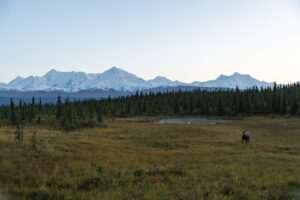
Featured photo by John De Leon on Pexels.
No comments yet.