
Summer Wildlife Guide Alaska 2026: Bears, Whales, Moose & Birds
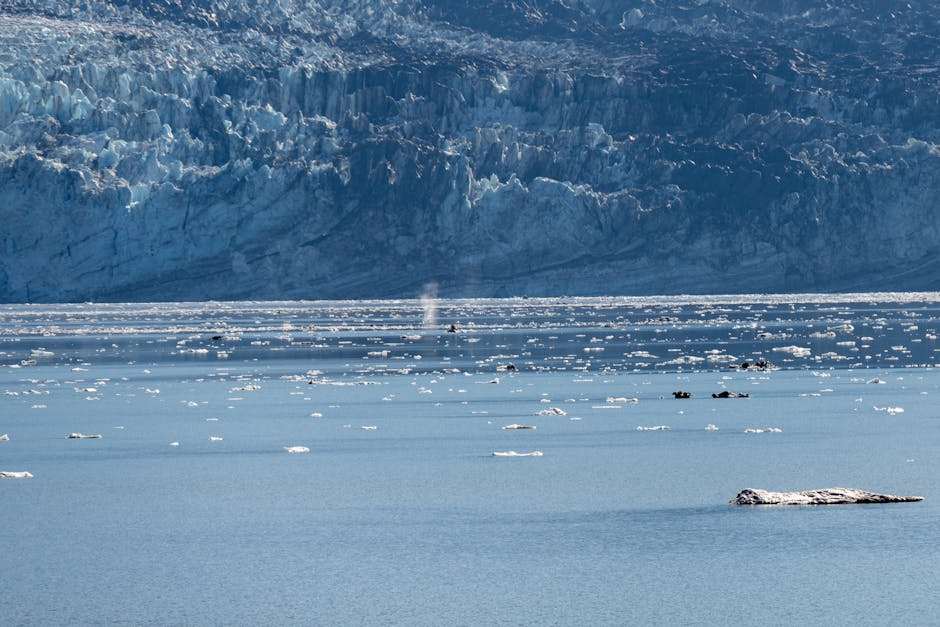
Summer transforms Anchorage into Alaska’s wildlife viewing capital. From late May through early September, the region offers unparalleled opportunities to observe bears gorging on salmon, whales migrating through nearby waters, moose raising their young, and thousands of migratory birds. Here’s your complete guide to experiencing Alaska’s legendary wildlife during the peak viewing season.
Summer Wildlife Viewing Season Overview
Alaska’s summer wildlife season peaks between June and August when extended daylight, abundant food sources, and active breeding cycles create optimal viewing conditions. The combination of accessible viewing locations around Anchorage and predictable wildlife behavior patterns makes this the year’s best time for wildlife encounters. Pure Alaska magic.
Peak Viewing Calendar:
- Late May – June: Spring arrivals, nesting birds, early salmon runs
- July – Early August: Peak salmon runs, active bear feeding, whale migrations
- Late August – September: Berry feeding season, preparation for winter
Summer Bear Activity: Salmon Run Spectacular
Summer bear viewing reaches its peak during salmon runs, when both brown and black bears congregate at streams and rivers to fish. The timing and intensity of runs create predictable viewing opportunities unmatched anywhere else in Alaska.
Key Salmon Run Locations
Ship Creek (Downtown Anchorage): The most accessible bear viewing location, where black bears fish for king and coho salmon within walking distance of downtown hotels. Peak viewing: July through August.
Russian River: Two-hour drive from Anchorage, this location offers exceptional brown bear viewing during the sockeye salmon runs. First run peaks in mid-June; second run peaks in late July.
Portage Valley: Black bears frequent salmon streams throughout the valley, with reliable viewing along Portage Creek and nearby tributaries from July through August.
Bear Viewing Safety Protocols
Summer bear encounters require strict safety adherence:
- Maintain 300 yards distance from brown bears, 25 yards from black bears
- Never approach bears feeding or with cubs
- Carry bear spray and know how to use it
- Make noise when hiking to avoid surprise encounters
- Store food properly in bear-proof containers
For guided bear viewing experiences, explore options with Alaska’s Finest Tours & Cruises or visit the Alaska Wildlife Conservation Center for guaranteed bear encounters in a safe environment.
Marine Wildlife & Whale Watching: Summer Migration Spectacle
Cook Inlet, Prince William Sound, and nearby waters host remarkable marine wildlife activity during summer months. Humpback, beluga, and orca whales migrate through these waters, while harbor seals, sea otters, and Steller sea lions remain year-round.
Whale Migration Patterns
Humpback Whales: Arrive in Cook Inlet by late May, with peak viewing from June through August. These massive whales feed on small schooling fish and krill, often breaching and bubble-feeding near the surface.
Beluga Whales: Resident Cook Inlet belugas are visible year-round, but summer offers the best viewing as they pursue salmon runs into shallow waters. Turnagain Arm provides excellent shore-based viewing opportunities.
Orcas: Transient killer whales patrol Cook Inlet throughout summer, hunting marine mammals. Sightings are less predictable but spectacular when they occur.
Best Marine Viewing Locations
Turnagain Arm: Drive the Seward Highway for excellent shore-based beluga viewing, especially during incoming tides when whales follow salmon into shallow waters.
Prince William Sound: Charter boats from Seward and Whittier offer exceptional marine wildlife viewing, including whales, sea otters, harbor seals, and seabirds.
Cook Inlet: Charter fishing trips often encounter marine mammals, providing close viewing opportunities while targeting salmon and halibut.
For comprehensive marine wildlife experiences, consider Seward Ocean Excursions or Portage Glacier Cruises for combined glacier and wildlife viewing.
Summer Moose Viewing: Family Groups and Feeding Behavior
Summer brings dramatic changes in moose behavior as cows raise calves and bulls grow impressive antlers. Post-calving activity and abundant summer vegetation create excellent viewing opportunities throughout the Anchorage area.
Moose Behavior Patterns
Calving Season (May-June): Cow moose become extremely protective of newborn calves. Viewing requires extra caution and distance, but rewards observers with heartwarming family interactions.
Summer Feeding (July-August): Moose spend extensive time feeding on aquatic vegetation, willows, and birch leaves. Early morning and evening hours provide the best viewing opportunities.
Antler Growth (June-August): Bull moose develop their impressive antler racks throughout summer, covered in velvet that provides nutrients to growing bone.
Prime Moose Viewing Areas
Kincaid Park: Large open spaces and coastal meadows attract feeding moose, especially during early morning and evening hours.
Chugach State Park: Numerous trails offer moose encounters, particularly in willow-rich areas along streams and ponds.
Urban Anchorage: Moose regularly visit neighborhoods, parks, and greenbelts throughout the city. Popular spots include the University of Alaska campus and residential areas with mature landscaping.
Moose Safety Guidelines
Summer moose encounters require careful attention to safety:
- Maintain 25 yards minimum distance
- Never approach cows with calves
- Watch for aggressive postures: laid-back ears, raised hackles
- Give moose escape routes – never corner them
- Be especially cautious around bulls during late summer
For safe moose viewing opportunities, explore Chugach Mountains Wildlife Viewing areas or join guided tours that provide expert interpretation.
Peak Summer Bird Activity: Migration and Breeding
Summer transforms Anchorage into a birding paradise as over 200 species utilize the area for breeding, feeding, and migration stopover. Extended daylight hours and abundant insect life create optimal conditions for bird observation and photography.
Summer Bird Highlights
Shorebirds: Thousands of sandpipers, plovers, and other shorebirds utilize mudflats and coastal areas during migration. Peak activity occurs in late July through August.
Raptors: Bald eagles, golden eagles, peregrine falcons, and various hawks maintain territories throughout summer. Nesting activity provides excellent observation opportunities.
Waterfowl: Numerous duck and goose species breed in area wetlands, while swans and loons utilize larger lakes for nesting and feeding.
Songbirds: Warblers, thrushes, sparrows, and other songbirds fill forests and meadows with activity and song throughout summer months.
Premier Birding Locations
Potter Marsh: This accessible boardwalk system provides excellent viewing of waterfowl, raptors, and various songbirds in diverse wetland habitats.
Westchester Lagoon: Urban waterfowl viewing at its finest, with ducks, geese, swans, and various shorebirds easily observed from paved trails.
Anchorage Coastal Wildlife Refuge: Extensive mudflats and marshes attract incredible diversity of shorebirds, waterfowl, and raptors during migration periods.
Essential Equipment for Summer Wildlife Viewing
Successful summer wildlife viewing requires proper equipment suited to Alaska’s unique conditions and extended daylight hours.
Optics and Photography
- Binoculars: 8×42 or 10×42 for general viewing, image-stabilized models for marine viewing
- Spotting Scope: 20-60x magnification for distant wildlife and detailed observation
- Camera Equipment: Telephoto lenses (300mm+), extra batteries (cold drains power), weather protection
- Tripod: Essential for photography and extended spotting scope use
Clothing and Protection
- Layered System: Base layers, insulating mid-layers, waterproof outer shell
- Insect Protection: Head nets, long sleeves, insect repellent for mosquito-heavy areas
- Sun Protection: Sunglasses, sunscreen (reflection from water intensifies UV), wide-brimmed hat
- Bear Spray: EPA-approved bear deterrent for backcountry areas
Tour Operators vs. Self-Guided Options
Both guided tours and independent wildlife viewing offer distinct advantages during Alaska’s summer season.
Guided Tour Advantages
- Expert knowledge of current wildlife activity and locations
- Safety expertise and group protection protocols
- Transportation to remote or specialized viewing areas
- Educational interpretation enhancing the experience
Popular guided options include tours with Glacier Bay Tours and specialized wildlife viewing with Alaska Good Time Charters.
Self-Guided Benefits
- Flexible timing allowing for optimal conditions
- Ability to spend extended time at productive locations
- Cost savings, especially for extended viewing sessions
- Personal pace accommodating photography and detailed observation
Photography Tips for Alaska Summer Wildlife
Alaska’s summer wildlife offers incredible photography opportunities, but unique conditions require specialized techniques.
Technical Considerations
Lighting: Extended summer daylight provides excellent shooting conditions, but avoid harsh midday sun. Golden hour light lasts for hours during peak summer.
Weather Protection: Sudden weather changes require camera protection. Waterproof housings or rain covers are essential for marine environments.
Battery Life: Cold conditions drain batteries rapidly. Carry extras and keep them warm against your body.
Ethical Photography Guidelines
- Never approach wildlife for better shots
- Use appropriate telephoto lenses to maintain safe distances
- Avoid disturbing nesting birds or animals with young
- Respect private property and protected areas
- Follow Leave No Trace principles
Planning Your Summer Wildlife Adventure
Best Timing Strategies
Early Season (Late May – June): Fewer crowds, active nesting, emerging vegetation. Weather can be unpredictable but wildlife is highly active.
Peak Season (July – August): Optimal weather, peak salmon runs, maximum wildlife activity. Higher visitor numbers but best overall conditions.
Late Season (August – September): Berry feeding, preparation behaviors, excellent photography light. Cooling temperatures signal approaching winter.
Multi-Day Planning
Ready to witness Alaska’s incredible wildlife? Combine wildlife viewing with other Anchorage area attractions:
- Day 1: Urban wildlife in Anchorage parks and Ship Creek
- Day 2: Marine wildlife cruise in Prince William Sound
- Day 3: Bear viewing at Russian River or other salmon streams
- Day 4: Comprehensive birding tour of area wetlands
Conservation and Respect
Alaska’s incredible wildlife viewing opportunities come with responsibility to protect and respect these magnificent animals and their habitats.
Wildlife Viewing Ethics:
- Observe from appropriate distances
- Never feed wild animals
- Pack out all trash and food waste
- Stay on designated trails and viewing areas
- Report wildlife conflicts to authorities
Support conservation efforts by visiting the Alaska Wildlife Conservation Center, which provides care for orphaned and injured wildlife while educating visitors about Alaska’s natural heritage.
Your Summer Wildlife Adventure Awaits
Anchorage’s summer wildlife viewing opportunities represent some of the finest wildlife experiences available anywhere in North America. The combination of accessible locations, predictable wildlife behavior, and spectacular Alaska scenery creates memories that last a lifetime.
Whether you choose guided tours for expert interpretation or self-guided adventures for personal discovery, Alaska’s summer wildlife season offers something for every interest and experience level. The brief but intense summer season means every day offers new opportunities to witness the remarkable wildlife that calls Alaska home.
Start planning your summer wildlife adventure today – Alaska’s incredible animals are waiting to share their world with you.

No comments yet.