
Spring Wildlife Watching in Anchorage During Breakup Season
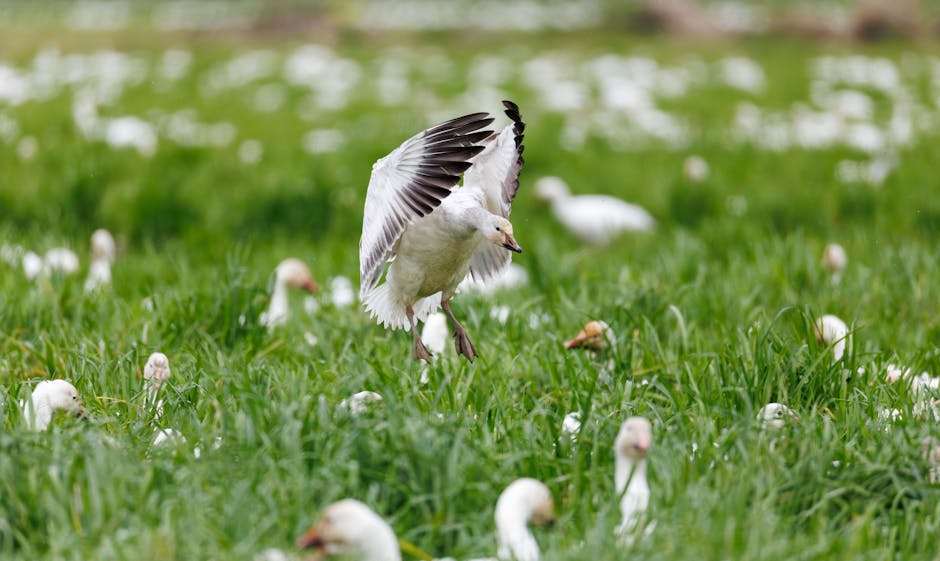
Spring in Anchorage brings one of Alaska’s most spectacular natural phenomena: wildlife awakening from winter hibernation combined with massive bird migrations that transform the landscape into a living showcase of Arctic biodiversity. During breakup season, when ice melts and snow retreats, you’ll witness bears emerging from dens, massive flocks of migratory birds arriving from thousands of miles away, and resident wildlife becoming increasingly active.
This comprehensive guide covers everything you need to know about spring wildlife watching in Anchorage, from timing your visits to understanding animal behavior patterns that make this season so remarkable for nature enthusiasts and photographers.
Understanding Anchorage Spring Breakup Season
Breakup season typically occurs from mid-April through early June, when Alaska’s winter grip finally loosens. This isn’t just about melting snow—it’s a complete ecosystem transformation that creates optimal wildlife viewing conditions. Temperatures rise above freezing consistently, daylight hours extend dramatically (reaching 17+ hours by May), and food sources become abundant for the first time since fall.
The term “breakup” originally referred to river ice breaking apart, but it’s evolved to describe the entire seasonal transition. During this period, you’ll experience muddy trails, rushing waterways, and changing weather patterns that make wildlife behavior more predictable and viewing opportunities more frequent.
What makes Anchorage unique is its urban-wilderness interface. You don’t need to travel to remote locations to witness incredible wildlife activity—much of it happens within city limits or short driving distances from downtown.
Spring Bird Migration Spectacle
Alaska hosts one of North America’s most impressive bird migrations, with over 150 species passing through or arriving in the Anchorage area during spring months. Migration peaks typically occur in early to mid-May, creating opportunities to observe species that travel thousands of miles to reach Alaska’s breeding grounds.
Waterfowl Migration
Anchorage’s coastal location along the Pacific Flyway makes it a critical stopover for waterfowl. You’ll witness massive flocks of Canada geese, snow geese, and various duck species arriving in waves. Potter Marsh becomes particularly active during this period, with birds using the area to rest and refuel before continuing to breeding grounds.
Trumpeter swans, with their 8-foot wingspans, create dramatic viewing opportunities as they arrive in pairs or small groups. These magnificent birds often stop at area lakes and wetlands, providing excellent photography opportunities for patient observers.
Shorebird Arrivals
Mudflats along the Tony Knowles Coastal Trail become bustling with shorebird activity during spring migration. Sandpipers, plovers, and turnstones probe the rich intertidal zones for food, creating constant motion and interaction that captivates wildlife watchers.
These birds often arrive in mixed flocks, allowing you to observe multiple species simultaneously while learning to identify different feeding behaviors, flight patterns, and vocalizations. Early morning and late evening provide the best viewing conditions when birds are most active.
Songbird Return
Alaska’s songbird migration brings color and music back to the landscape. American robins, white-crowned sparrows, and yellow warblers return to establish territories and begin nesting activities. Their arrival often coincides with leaf emergence, creating perfect conditions for forest wildlife observation.
Many songbirds exhibit territorial behaviors during spring arrival, making them easier to locate and observe as they sing from prominent perches to establish breeding territories.
Bear Activity and Emergence Patterns
Spring bear emergence represents one of Anchorage’s most exciting wildlife viewing opportunities—and one requiring the greatest safety awareness. Both black bears and brown bears emerge from winter dens typically between late April and early May, depending on weather conditions and snow melt.
During initial emergence, bears are often sluggish and focused on finding easily digestible foods. They’re attracted to new grass growth, skunk cabbage, and any available carrion. This predictable behavior makes them somewhat easier to observe, though always from safe distances.
The Alaska Wildlife Conservation Center provides exceptional opportunities to observe bear behavior in a controlled environment where you can learn about their spring activities, dietary needs, and behavioral patterns without safety concerns.
Female bears with new cubs become visible during late spring, creating remarkable viewing opportunities for those who understand proper wildlife etiquette and maintain appropriate distances. Cubs are typically born during winter hibernation and emerge as small, playful animals learning crucial survival skills from their mothers.
Moose Calving Season
Spring moose watching reaches its peak during calving season, typically occurring from mid-May through early June. Pregnant cows seek secluded areas with good visibility and escape routes, often choosing locations near trails, parks, and even urban areas where they feel secure.
Newborn calves are incredibly vulnerable during their first weeks, making cow moose extremely protective and potentially aggressive. However, observing these interactions from proper distances provides insights into one of Alaska’s most iconic species during its most critical life stage.
Moose activity increases dramatically during spring as they seek new vegetation growth. You’ll often observe them feeding in wetland areas, along creek beds, and in park settings where fresh grass and aquatic plants provide essential nutrients after winter.
Best Locations for Spring Wildlife Viewing
Anchorage offers numerous exceptional locations for spring wildlife observation, each providing different species encounters and viewing conditions.
Chugach State Park Systems
The Chugach State Park Trail Systems provide access to diverse habitats within short distances of the city. Spring hiking reveals wildlife activity across multiple elevation zones, from valley bottom wetlands to alpine meadows where snow melts earlier.
Mountain goats become visible on rocky outcrops as snow recedes, while Dall sheep move to lower elevations for spring grazing. The park’s extensive trail network allows you to position yourself for optimal wildlife observation while respecting animal space and behavior needs.
Eagle River Valley
The Eagle River Nature Center serves as an ideal base for spring wildlife exploration. The valley’s diverse habitats support everything from migrating songbirds to resident moose and occasional bear activity.
Spring conditions here reveal the full spectrum of Alaska wildlife behavior, from small mammal activity to large ungulate movement patterns. The center’s educational programs also provide valuable context for understanding wildlife behavior and seasonal patterns.
Trail systems radiating from the nature center offer varying difficulty levels, allowing wildlife watchers of all abilities to access prime viewing areas during the critical spring activity period.
Photography Tips for Spring Wildlife
Spring wildlife photography in Anchorage presents unique opportunities and challenges that require specific techniques and preparation.
Equipment Considerations
Long telephoto lenses (300mm minimum) allow you to maintain safe distances while capturing detailed wildlife behavior. Image stabilization becomes crucial during extended observation periods, especially in variable spring weather conditions.
Weather protection for your equipment is essential during breakup season. Sudden rain showers, temperature fluctuations, and muddy conditions can damage sensitive camera gear without proper protection.
Timing and Light
Spring’s extended daylight hours provide multiple daily opportunities for optimal wildlife photography lighting. Early morning (6-9 AM) and late evening (7-10 PM) offer the best combination of soft light and peak wildlife activity.
Overcast conditions, common during breakup season, provide excellent diffused lighting for wildlife photography, eliminating harsh shadows and providing even illumination for detailed shots.
Safety Considerations During Breakup Season
Spring wildlife watching requires heightened safety awareness due to increased animal activity and challenging trail conditions.
Wildlife Safety Protocols
Bears emerging from hibernation can be unpredictable and focused intensely on food sources. Carry bear spray, make noise while hiking, and understand proper bear encounter protocols. Never approach bears or position yourself between mothers and cubs.
Moose with calves become extremely protective during spring months. Maintain minimum 25-yard distances from moose, watch for warning signs like laid-back ears or raised hackles, and always have escape routes planned.
Trail and Weather Conditions
Breakup season creates challenging trail conditions with mud, standing water, and unstable surfaces. Waterproof hiking boots and adjustable clothing layers allow you to adapt to rapidly changing conditions.
Weather can change rapidly during spring months, with temperatures fluctuating 30+ degrees in a single day. Preparation for multiple weather scenarios ensures safe and comfortable wildlife viewing experiences.
Recommended Gear and Equipment
Successful spring wildlife watching requires specific gear tailored to Alaska’s breakup season conditions.
Clothing and Footwear
Layered clothing systems allow adaptation to changing temperatures and activity levels. Waterproof outer layers protect against sudden weather changes, while breathable base layers prevent overheating during active hiking.
Waterproof boots with good ankle support navigate muddy, uneven terrain safely while keeping feet dry during extended outdoor periods. Gaiters prevent mud and debris from entering boots during trail hiking.
Observation Equipment
Quality binoculars (8×42 or 10×42) enable detailed wildlife observation while maintaining safe distances. Waterproof models withstand spring weather conditions and provide clear viewing even during light precipitation.
Field guides specific to Alaska wildlife help identify species and understand behavior patterns you’re observing. Digital apps can supplement printed guides with sounds and additional behavioral information.
Timing Your Wildlife Watching
Optimal timing maximizes wildlife observation opportunities while working within Alaska’s spring weather patterns.
Seasonal Progression
Late April marks the beginning of bear emergence and early migrant arrivals. Early May brings peak waterfowl migration and increased songbird activity. Mid to late May offers optimal conditions with stable weather, extended daylight, and peak wildlife activity across all species.
Daily Activity Patterns
Wildlife activity typically peaks during early morning and evening hours when temperatures are moderate and human activity is minimal. Midday observations can be productive during overcast conditions or in shaded areas where animals seek relief from increasing daylight.
Spring in Anchorage offers unparalleled opportunities to witness Alaska wildlife during its most active and dramatic season. From massive bird migrations to bear emergences and moose calving, breakup season provides wildlife experiences that connect you directly with Alaska’s incredible natural heritage.
Featured photo by Veronika Andrews on Pexels.
No comments yet.