Snowshoeing Near Anchorage 2026: Trails & Tips
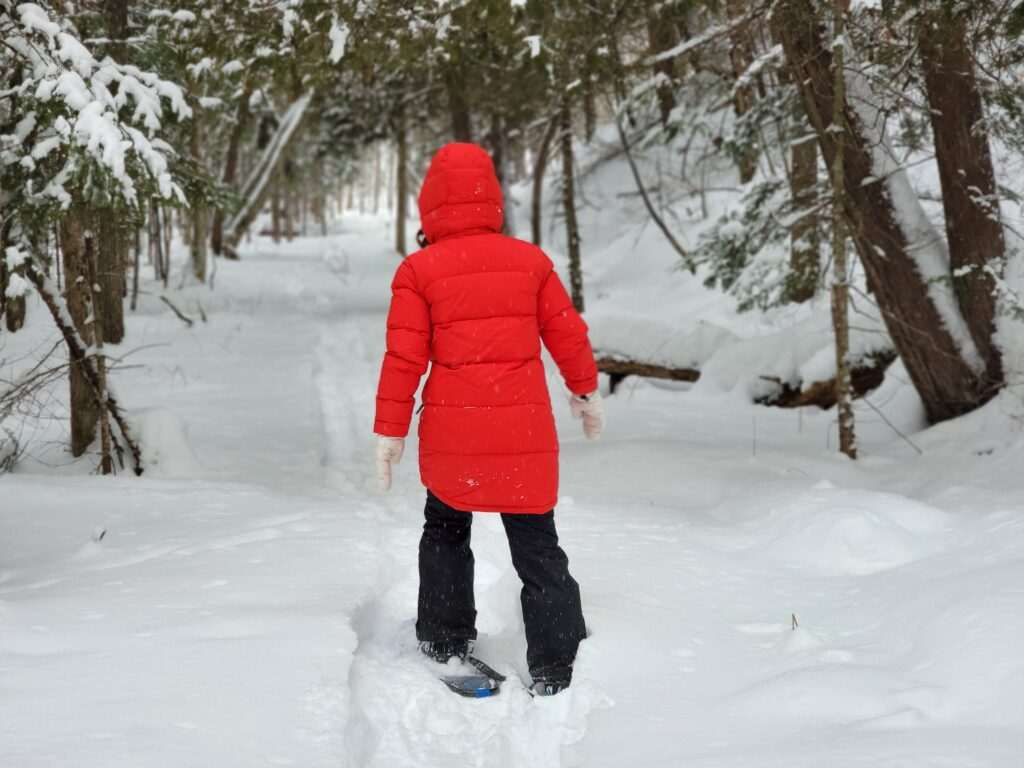
Snowshoeing near Anchorage turns the same trails that flood with hikers and runners in summer into quiet winter corridors through snow-draped spruce and open alpine tundra. Chugach State Park’s 495,000 acres back directly onto the city and are accessible with snowshoes from November through March — sometimes well into April at higher elevations. Add Kincaid Park’s winter trail system and the wide-open snowshoe terrain at Hatcher Pass, and Anchorage is among the best winter cities in North America for on-foot snow travel. Here’s where to go and what you need to know.
Chugach State Park — The Core Snowshoe Destination
Chugach State Park starts at Anchorage’s eastern edge and offers the most accessible and varied snowshoeing in the region. Three trailheads within 20 minutes of downtown serve different terrain types and skill levels.
Glen Alps — Powerline Pass and Flattop Approaches
The Glen Alps trailhead (Upper Huffman Road, $5 day-use parking) is the primary gateway into the Chugach backcountry in winter. The Powerline Pass Trail — a wide, gradual track that gains 700 feet over 5 miles — is the most forgiving option in winter. On snowshoes, it’s a sustained but non-technical climb through open alpine terrain with unobstructed views of the mountains and the city below. Most snowshoers go 2–3 miles to the first open plateau and turn back; the full pass is 10 miles round-trip and a solid half-day.
The Flattop Mountain Trail from the same trailhead is steeper and more technical in winter — the upper 500 feet is loose shale even in summer, and in winter it becomes consolidated ice and hard snow that rewards crampons more than snowshoes. Comfortable winter hikers can ascend Flattop in snowshoes in good conditions; check recent trip reports on the Alaska State Parks website or at the trailhead before committing to the summit.
South Fork Eagle River Trail
The South Fork Eagle River valley, accessed from the Eagle River Nature Center (12 miles northeast of downtown), offers lower-angle snowshoeing through a mix of forest and open creek corridor. The Albert Loop Trail (3.2 miles) stays in the trees for most of its length and is well-suited to beginners — the terrain is rolling rather than steep, the avalanche risk is low, and moose are commonly seen in the willows along the creek in winter. Black bears are generally denned by December but can be active in mild spells; our bear viewing near Anchorage guide covers what wildlife to expect year-round in the Chugach corridor. For stronger snowshoers, the trail extends deeper into the valley with progressively more dramatic mountain scenery and eventual access to the Crow Pass corridor.
The Nature Center charges a day-use fee ($5) and has a warming hut with maps and current conditions information. It’s the single best first stop if you’re new to Chugach State Park in winter.
Kincaid Park — Groomed Trails and Winter Running
Kincaid Park’s trail network converts to one of the best groomed cross-country ski and snowshoe systems in Alaska from December through February, when snow depth allows. The Anchorage Nordic Ski Club maintains the grooming, and designated snowshoe tracks run parallel to ski tracks in many sections — snowshoers stay off the groomed ski lanes and use the packed side tracks instead. The difference from backcountry snowshoeing is significant: Kincaid in winter is organized, lit in some sections, and appropriate for anyone comfortable on groomed trails.
Far North Bicentennial Park, adjacent to Kincaid’s trail system on the eastern side of Anchorage, has ungroomed winter trails that are snowshoe-appropriate. The terrain is flatter than the Chugach routes, with spruce forest tracks that retain packed snow well through the season. This is the most accessible option for snowshoeing from the eastern Anchorage neighborhoods.
Hatcher Pass — Wide-Open Winter Terrain
Hatcher Pass, about 75 miles north of Anchorage near Willow via the Parks Highway and Hatcher Pass Road, is in a completely different category from the urban Chugach trails. The open tundra basin above the Independence Mine State Historical Park trailhead gives snowshoers unobstructed access to wide alpine terrain with minimal tree cover and 360-degree mountain views. The scale is larger than anything accessible from Anchorage directly.
Getting there from Anchorage: drive the Glenn Highway north to Palmer, then take the Hatcher Pass Road (Alaska Route 6) west and north to the Independence Mine area. Our Glenn Highway scenic drive guide covers the Palmer corridor — the route through the Matanuska-Susitna Valley farmland is scenic in its own right and a good stop before heading up to the pass.
Important: Hatcher Pass is avalanche terrain. The open slopes above 2,500 feet that make it spectacular for snowshoeing are also the slopes that generate avalanches after heavy snowfall and during warming cycles. Check the Alaska Avalanche Center forecast (alaskasnow.org) before any visit to the alpine zone and carry avalanche safety equipment — beacon, probe, and shovel — if you’re venturing off the valley floor.
Snowshoe Rentals and Gear in Anchorage
Powder Hound Ski & Bike Shop in Midtown Anchorage rents snowshoes and carries trail gear for the Chugach routes. Staff there can advise on current snow conditions and which trails are in best shape for the week — winter conditions in Anchorage vary significantly with temperature cycles, and a shop with local riders and walkers on staff is a better source than any trail app for real-time conditions.
The Alaska Public Lands Information Center downtown has free trail maps and up-to-date Chugach State Park winter condition sheets — worth stopping in before your first backcountry outing.
Snowshoe selection basics: For Kincaid and South Fork Eagle River, standard recreational snowshoes (22–25 inches) work well. For Powerline Pass and Hatcher Pass, longer backcountry snowshoes (30–36 inches) with heel-lift bars make sustained climbing significantly more comfortable. Poles are worth carrying on any sloped terrain.
Avalanche Awareness for Chugach Routes
Most snowshoeing in the lower Chugach — the Powerline Pass valley floor, the South Fork Eagle River trail, and Far North Bicentennial — carries low to moderate avalanche risk in stable conditions. The slopes above these valley routes are a different matter. Specific guidance:
- Powerline Pass valley floor — low risk in stable snow. Slopes above the valley can release after heavy snowfall or rapid warming; stay in the valley bottom after a storm.
- Flattop Mountain — the approach ridge has wind-loaded slopes; check the avalanche forecast if planning the upper mountain in winter.
- Hatcher Pass — treat as avalanche terrain throughout. Always check the Alaska Avalanche Center forecast (alaskasnow.org) before going above treeline. Carry a beacon, probe, and shovel, and know how to use them.
- South Fork Eagle River lower corridor — generally low risk on the main trail; side valleys can have avalanche paths.
The Alaska Avalanche Center posts daily forecasts from approximately November through April. Free and accurate — check it every time you plan a winter mountain outing near Anchorage.
Snowshoeing vs. Cross-Country Skiing — Same Trails, Different Experience
Most Anchorage winter trails accommodate both snowshoers and cross-country skiers, but the experience differs significantly. Skiing is faster and more efficient on flat or gently rolling terrain; snowshoeing is more versatile on steep, off-trail, or ungroomed routes. At Kincaid Park, skiers use the groomed tracks and snowshoers use the packed shoulders — the two modes coexist well with basic etiquette. In the backcountry (Powerline Pass, Hatcher Pass), snowshoes handle punchy, variable snow conditions that would destroy kick wax and frustrate lightweight skis. For off-trail exploration, snowshoes almost always win.
Winter evenings after a snowshoe day are worth planning for in Anchorage. Clear cold nights from November through March bring a real chance of aurora activity — our northern lights near Anchorage guide covers the best dark-sky viewing spots and what aurora season actually looks like from the city.
Best Months and Conditions
- November–December — early season; snowpack is variable. Kincaid may not be groomed yet; South Fork Eagle River and Powerline Pass floor are generally good after the first major snowfall.
- January–February — peak winter snowshoe season. Stable cold temperatures, consistent snowpack, and maximum day-length contrast (short days, long nights). Best aurora chances.
- March — extending light improves access and conditions. Snowpack is generally at its deepest, which improves lower-angle snowshoeing and makes alpine routes more stable.
- April — the Chugach holds snow at elevation into April in most years; lower trails may be mushy by late month. Powerline Pass and Hatcher Pass can remain excellent into early May in a good snow year.
Photo by Photos by Ohcan on Pexels.



No comments yet.