
Palmer Hay Flats State Game Refuge: Alaska Wildlife Viewing Guide
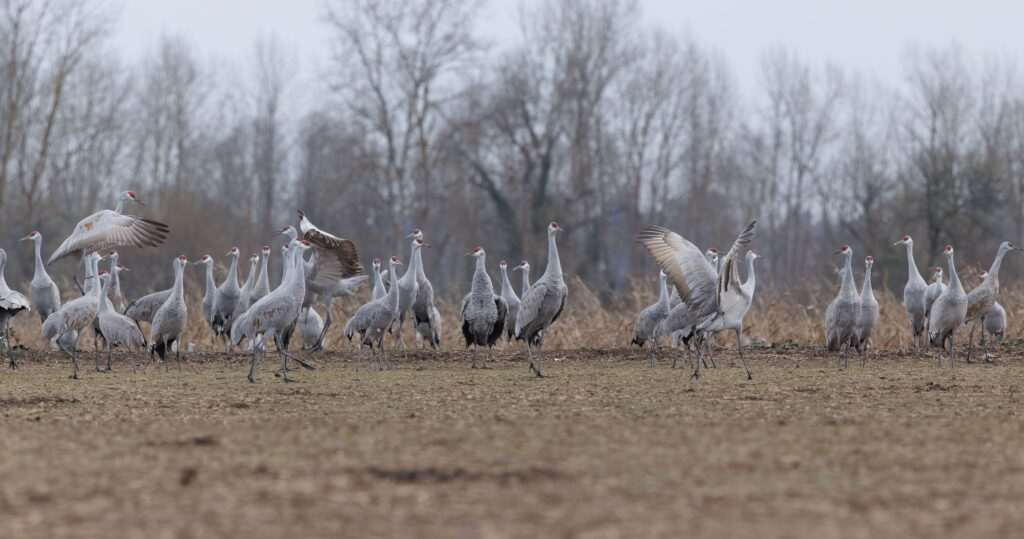
Every fall, something remarkable happens on the flats south of Palmer. Thousands of sandhill cranes descend from the sky in loose spiraling kettles, trading altitude for the broad grasslands and wetlands of the Palmer Hay Flats State Game Refuge. At peak migration in late September, the noise alone — a rattling, bugling chorus that carries for miles — announces the event before you see a single bird. For wildlife watchers, it is one of the most accessible and genuinely impressive natural spectacles in Southcentral Alaska, visible from the roadside without a permit, a guide, or a long hike.
What Is the Palmer Hay Flats?
The Palmer Hay Flats State Game Refuge covers roughly 28,000 acres of wetland, grassland, and river delta at the confluence of the Matanuska and Knik rivers, just south of Palmer and about 40 minutes northeast of Anchorage. The refuge was established specifically to protect the habitat that makes this landscape so productive for wildlife — a mosaic of braided river channels, sedge meadows, spruce stands, and open flats that supports an exceptional density and diversity of animals year-round.
Unlike most wildlife refuges that require trail access or boat travel, the Hay Flats are largely viewable from roads. The Old Glenn Highway and connecting dirt roads run through and alongside the refuge, and much of the best wildlife watching happens from a parked car with binoculars or from a brief walk to an open viewpoint. For families, photographers, or anyone who wants the wildlife experience without the wilderness logistics, this is one of the best spots in the state.
The Sandhill Crane Migration
The Hay Flats’ signature wildlife event is the fall staging of sandhill cranes. Each year, cranes from across Interior and Western Alaska funnel through the Matanuska-Susitna Valley on their way south, using the flats as a final refueling stop before crossing the Alaska Range or heading down the coast. Numbers peak in late September, typically in the last ten days of the month, though the timing shifts slightly year to year depending on weather across the Interior.
At peak staging, counts of 5,000 to 20,000 or more cranes have been recorded in a single day. The birds move between feeding areas in the grasslands and roost sites near water, and the late-afternoon flights — when thousands of cranes spiral down from high altitude in synchronized groups — are the kind of spectacle that stops traffic. First-time visitors are routinely stunned by the scale of it. The birds are also remarkably tolerant of vehicles, so roadside viewing from the Old Glenn Highway is often just a few hundred feet from active flocks.
Moose and Year-Round Wildlife
Outside migration season, moose are the dominant attraction. The Hay Flats support one of the highest moose densities in Southcentral Alaska — the combination of willows, water, and open grasslands creates nearly ideal habitat. Two windows offer the best viewing. In late May and early June, cows with newborn calves frequent the road corridors and open flats; early morning and evening produce the highest activity. In October, bull moose enter the rut and can be seen throughout the refuge, sometimes at close range from the road.
The refuge also hosts trumpeter swans, which nest and stage here in meaningful numbers. The large white birds on open water are impossible to miss. Shorebirds use the mudflats during spring and fall migration. Bald eagles are present year-round, perched in cottonwood snags along the river channels. Black bears occasionally move through the margins of the refuge, and brown bears are rare but documented visitors from the surrounding uplands.
Best Viewing Spots and Access
The Old Glenn Highway is the main access corridor. Drive south from Palmer toward the Mat-Su area and watch for pullouts with open views across the flats. The Palmer Slough area is particularly productive for waterfowl — scan the open water sections for swans, ducks, and shorebirds. Several unmarked dirt roads branch off the Old Glenn Highway and allow closer access to interior sections of the refuge during dry conditions, though some roads become impassable when wet.
There is no formal visitor center and no fee for accessing the refuge. The Alaska Department of Fish and Game manages the area for wildlife habitat, and access is generally open for non-motorized travel and roadside viewing. Cell service is available along the main road corridor.
Photography at the Hay Flats
The Hay Flats are a serious photography destination. The flat terrain and wide-open sightlines eliminate the obstructed views that frustrate wildlife photographers in more forested habitats. During crane staging, the afternoon light on a calm September day — cranes landing in golden-hour light against a backdrop of the Chugach or Pioneer Peak — is the kind of image that takes years to find elsewhere. Bring a telephoto lens of at least 300mm for bird photography; 500mm or longer is ideal for filling the frame. A bean bag or window mount is useful for shooting from the vehicle.
For moose photography, early morning produces both the best light and the highest animal activity. The flat topography means animals are often visible at 200 to 400 yards in open habitat, which is close enough for a 500mm lens and far enough to keep the animal calm.
Combining the Hay Flats with a Mat-Su Day Trip
The Palmer Hay Flats pair naturally with other destinations in the Palmer and Mat-Su area. The Musk Ox Farm in Palmer — the only working farm dedicated to domesticating musk oxen in the world — is a natural complement for visitors wanting close-up wildlife viewing alongside an active day in the refuge. The Eagle River Nature Center, about 20 minutes south along the Glenn Highway, offers a forested contrast to the open flats and works well as a second stop for families wanting trail time. The Anchorage Museum provides deeper context for Alaska’s natural history and is worth a visit before or after a trip to the refuge.
Palmer itself is a few minutes north — the downtown has good coffee, the Colony House Museum, and a farmers market in summer. Timing a Hay Flats trip to coincide with the crane migration in late September, combined with the fall foliage on the Chugach slopes, makes for one of the most visually rich days possible in Southcentral Alaska without leaving the road.

No comments yet.