Mountain Biking in Anchorage 2026: Best Trails, Skills Parks & Ride Tips
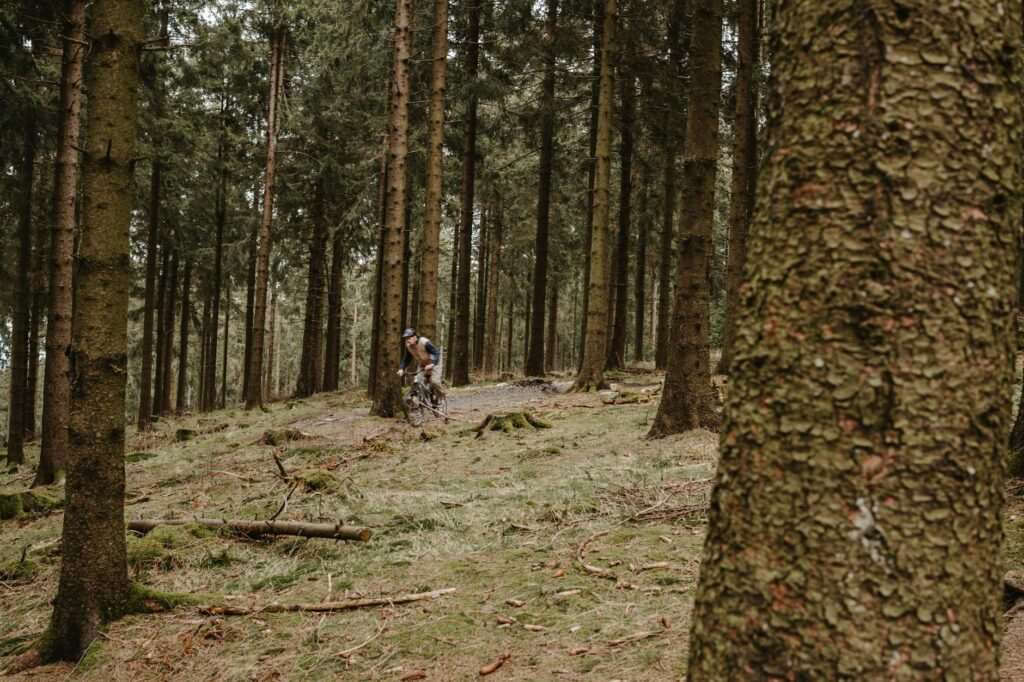
Anchorage punches well above its weight as a mountain biking destination. The city sits at the edge of Chugach State Park — nearly 500,000 acres of publicly accessible wilderness — and the trail networks within city limits alone are substantial enough to fill multiple riding days. From beginner flow trails at a city bike park to chairlift-accessed downhill lines and high-alpine singletrack that tops out above 3,000 feet, the Anchorage area offers terrain that would be the centerpiece of a dedicated bike destination anywhere else in the country. Here’s a trail-by-trail guide for 2026.
The Anchorage Mountain Biking Scene: What to Expect
Anchorage’s riding is concentrated in three zones: Kincaid Park on the southwest end of the city, the Hillside/Service High Area trail network in the foothills southeast of downtown, and the Far North Bicentennial Park urban forest in east-central Anchorage. Each zone has a distinct character — Kincaid is flow-trail and family-friendly, the Hillside network runs harder and more technical, and Bicentennial Park sits squarely in cross-country territory with accessible trails through genuine Anchorage greenbelt.
Beyond the city, Hilltop Ski Area operates a summer bike park with chairlift access, and the Palmer/Hatcher Pass area adds an additional day-trip option for riders looking for something different. The trail network as a whole is actively maintained by Singletrack Advocates, the local trail advocacy group, which keeps conditions updated on their website and social media — a useful resource for checking current conditions before heading out.
Kincaid Park: Anchorage’s Best Beginner and Flow Trail Zone
The Kincaid Park Trail System is the right starting point for most visitors. The park’s mountain biking network includes purpose-built flow trails, a skills park with progressive features, and miles of cross-country loops through coastal forest. The terrain is generally forgiving — rollers, berms, and tabletops rather than technical rock gardens — making it genuinely accessible for riders who are still developing confidence.
The skills park area near the main parking lot has features that grade upward in difficulty: skinny bridges, box jumps, and drop lines that let you pick your level and progress at your own pace. Weekend mornings bring a mixed crowd of families on hybrid bikes and serious riders warming up before a longer loop — the park accommodates both without conflict because the trail network is extensive enough to spread the traffic.
The park’s longer XC loops wind through mature spruce and birch forest, with some sections offering glimpses of Cook Inlet and the Alaska Range on clear days. Kincaid is also where Anchorage’s mountain bike racing scene is most active — local races and demo events are typically announced through Singletrack Advocates and are worth attending as a way to meet local riders who can point you toward the best trails for your skill level.
Service Singletrack: Hillside Intermediate and Expert Riding
The Service Singletrack Trail System on Anchorage’s Hillside is one of the most exciting recent additions to the local trail network — a system of purpose-built singletrack that runs through forested terrain between the Service High School area and the upper hillside, with grades and technical features that step up significantly from Kincaid. This is where Anchorage intermediate riders sharpen their skills and where expert riders find the kind of natural singletrack — rooty, varied, demanding attention — that the flow trail zones don’t provide.
The trail system connects to the broader Hillside network, which includes links toward the Near Point and Wolverine Peak approach trails. These upper connections get progressively more demanding — loose rock, steeper grades, and less maintained tread — but they deliver views and terrain that make them the most rewarding riding in the city limits for experienced riders.
Glen Alps and Powerline Pass: Alpine Mountain Biking
The Glen Alps Trailhead is the primary access point for riding into upper Chugach State Park, and Powerline Pass is the main bike-legal route from there. The trail climbs from the Glen Alps parking area (2,100 feet) through open tundra toward the 3,550-foot pass, gaining about 1,400 feet of elevation over roughly 5 miles each way. It’s a significant physical effort — expect two to three hours out and back at a moderate pace — but the descent back toward Glen Alps on a hardtail or trail bike is one of the best rides accessible from Anchorage, fast and open with sweeping views of the Chugach peaks on either side.
Powerline is a shared-use trail with hikers, so courtesy and speed modulation on the descent matter. The upper reaches can hold snow into July and become muddy in the shoulder seasons — check conditions before heading up, and turn around at the snowline if the trail is saturated. The trailhead parking lot fills early on summer weekends; arriving by 8 AM avoids the crunch.
Far North Bicentennial Park: Urban Forest Cross-Country
The Tank Trail at Far North Bicentennial Park offers the most accessible XC mountain biking in Anchorage — a 3.2-mile route through boreal forest that’s rideable by beginners and makes a good evening ride for locals who want something low-commitment after work. The park’s broader trail network extends beyond the Tank Trail into additional loops through the same forest zone, and the terrain stays consistent: soft dirt, moderate grades, and a level of technical challenge that rewards attention without punishing lapses.
Bicentennial Park’s location in east-central Anchorage makes it the most convenient option for riders staying in the Midtown or University area. It’s not the most exciting riding in the city — that distinction goes to Service Singletrack or Powerline Pass — but it’s the most consistently available and is the right choice for a first ride or a recovery day.
Hilltop Ski Area Bike Park: Chairlift-Accessed Downhill
The Hilltop Ski Area and Bike Park operates through the summer months with chairlift access to the top of the ski area, giving riders the ability to lap the downhill terrain without earning every descent with a climb. The bike park trails cover a range of difficulties — green and blue runs for developing riders, with more committing lines for those who want the full downhill experience.
Hilltop is the most structured mountain biking venue in Anchorage: lift tickets, rentals available on-site, and a defined downhill trail network rather than the more open-ended trail systems elsewhere. For visitors who want to do downhill riding without bringing their own bike or spending a day navigating trailheads, Hilltop is the most straightforward option. The park is small by destination bike resort standards, but the lift access and rental availability make it uniquely accessible for riders of any skill level who want to focus on descending.
Palmer and Hatcher Pass: Day Trip Riding
For riders who want to extend their Anchorage trip with something genuinely different, the Palmer and Hatcher Pass area about an hour north offers riding in a distinct environment — open alpine tundra, high-elevation ridge lines, and a more remote feel than anything accessible from the city. Hatcher Pass trails sit at elevations between 3,000 and 4,500 feet, with a shorter riding season (typically mid-July through September, snow-dependent) but dramatic scenery that rewards the drive.
The Hatcher Pass area doesn’t have a developed bike park or maintained singletrack in the same sense as Kincaid or Service Singletrack — it’s more of an adventure riding destination where route-finding is part of the experience. It’s most appropriate for riders comfortable with navigation and self-sufficiency on trail.
Bike Rentals and Gear in Anchorage
Trek Bicycle Store of Anchorage is the primary full-service bike shop in the city — demo bikes, trail-ready rentals, tune-ups, and staff who ride the local trails and can give current route recommendations. For downtown-oriented visitors who want a bike for the Coastal Trail or Kincaid, Pablo’s Bicycle Rentals provides a more convenient pickup point with a range of bikes suited to the terrain. Hilltop Ski Area rents downhill-specific bikes at the bike park for those who want to skip the transport logistics entirely.
Bring your own helmet if you have one. Rental helmets are available but personal preference varies widely. Trail-appropriate footwear (stiff-soled shoes with grip) is worth wearing regardless of the riding style — casual sneakers work for the Coastal Trail but become a liability on anything with technical features.
Season and Trail Conditions
Anchorage mountain bike trails typically open in late May to early June, depending on snowmelt and soil conditions. The early season often brings mud — particularly on north-facing slopes that hold moisture longer — and riding muddy trails damages them. Check Singletrack Advocates’ condition reports before heading out in May and early June, and stick to dry trails or gravel routes when conditions are soft.
Peak season runs from mid-June through August, when most trails are dry, daylight extends past 10 PM, and the combination of long evenings and good conditions makes after-work rides practical well into the week. September is an excellent month to ride — fall color in the birch and aspen, cooler temperatures, and trail surfaces that have had a full summer to firm up. Snow can arrive as early as late September at higher elevations, and October typically ends the season at most upper-elevation routes.
Bear Awareness and Wildlife on Anchorage Trails
Bears — both black bears and brown bears — are active throughout the Chugach trail network and within the city’s greenbelt corridors. Mountain biking requires specific wildlife awareness because the speed of travel can result in suddenly coming around a corner onto a bear at close range. Ride with a bell or make vocal noise on low-visibility corners, particularly in areas with dense brush. Carry bear spray in an accessible hip holster rather than a pack pocket — you need to be able to reach it in seconds, not minutes.
Moose are also common and can be aggressive, particularly cows with calves in May and June. Give moose significant distance and don’t try to ride past one at close range. The animal can move faster than expected and a bike doesn’t help you outrun one.
Skill Level Guide: Where to Ride Based on Experience
- Beginners: Start at Kincaid Park’s skills area and green/blue flow trails. Far North Bicentennial Park’s Tank Trail is a low-pressure option for a first off-road ride. Hilltop’s green runs with lift access are another beginner-friendly entry point. Avoid Service Singletrack and Powerline Pass until you’re comfortable with sustained climbs and variable tread.
- Intermediate riders: Service Singletrack is the primary destination, along with Kincaid’s longer XC loops and the lower Powerline trail. Hilltop’s blue terrain adds downhill progression. Aim to do a full Powerline Pass out-and-back before moving to the upper Hillside connections.
- Advanced riders: The upper Hillside network, full Powerline Pass to the pass itself, and Hatcher Pass area routes provide the most demanding riding in the region. The natural singletrack connecting Near Point and Wolverine Peak approach terrain is the most technical in the Anchorage trail system. September conditions on drying singletrack are often the best of the year for advanced riders.
Featured photo by Masood Aslami on Pexels.
No comments yet.