
Horse Riding Near Anchorage 2026: Trail Rides, Ranches & Equestrian Experiences
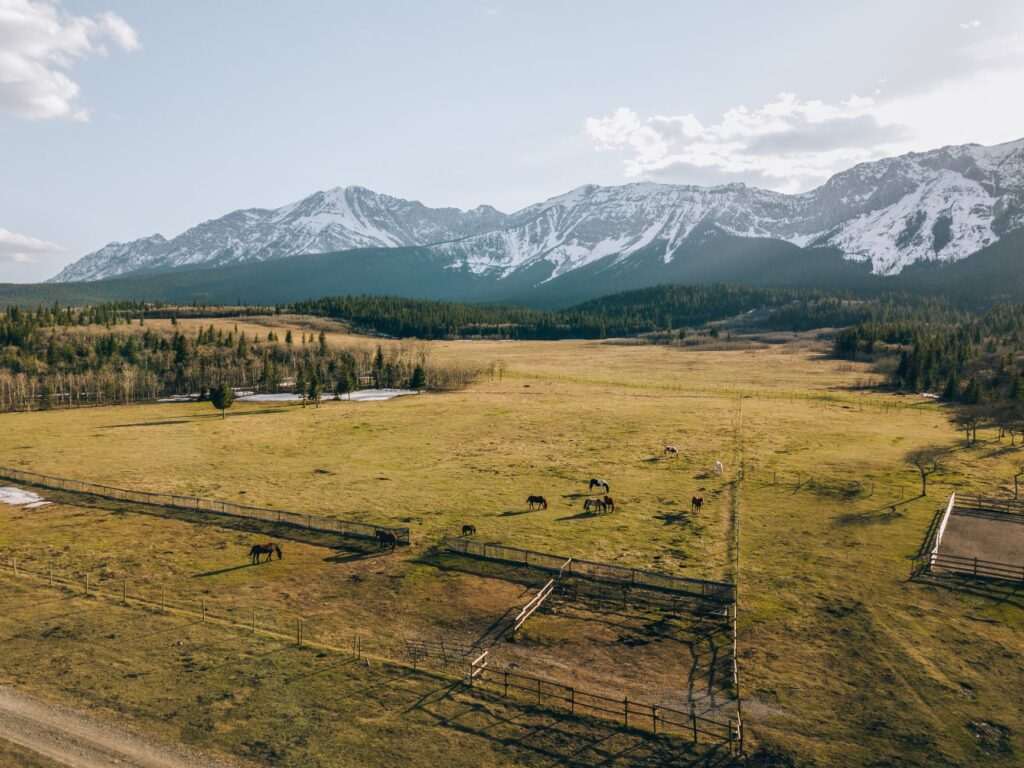
Horseback riding in Southcentral Alaska is one of those activities that surprises visitors who came planning to hike and kayak. The region’s ranches and trail ride operators offer something the trail system can’t: height, range, and a pace that suits the landscape. A horse covers terrain in an hour that would take a hiker three, and from the saddle — above the willows and alder, at the level of the mountain views — Alaska looks different. This guide covers where to ride near Anchorage in 2026, what the experience involves, and what to know before you book.
Horseback Riding in Southcentral Alaska: The Landscape Context
The Mat-Su Valley north of Anchorage and the Hatcher Pass alpine zone are the primary equestrian territory in Southcentral Alaska. Palmer, Wasilla, and the surrounding agricultural lowlands support a genuine ranching tradition — Alaska has a small but active farming community in the Mat-Su, and several operations that began as working ranches have added trail ride programs for visitors. The terrain ranges from valley meadows and birch forest to above-treeline alpine routes in the Talkeetna foothills, making the variety of riding available here unusual for a subpolar region.
Horseback riding is less commercially developed here than in Montana or Wyoming — there are fewer operators, smaller herd sizes, and less infrastructure around the activity. That’s also why it’s worth doing: an Alaska trail ride is typically a genuine backcountry outing with a small group, not a nose-to-tail queue on a groomed tourist route.
What to Expect on an Alaska Trail Ride
Most trail ride operators near Anchorage offer one to three hour guided rides, with half-day and full-day options at some locations. Prices typically run $80–$150 for a one-hour ride and $180–$300 for a half-day, though rates vary by operator and group size. Weight limits are standard (typically 220–240 lbs) and apply for the horses’ wellbeing — check with your specific operator. Most operators welcome beginner riders and provide orientation before departure; you do not need prior riding experience for guided trail rides.
The terrain is variable. Valley routes through birch and alder are relatively smooth, while Hatcher Pass-area rides gain elevation quickly and involve rocky alpine terrain that requires an experienced horse and, for some sections, an intermediate rider comfort level. Ask operators specifically about terrain type when booking — a “trail ride” label covers a wide range of actual conditions in this region.
Hatcher Pass Area: Alpine Trail Riding
The Hatcher Pass corridor, 1.5 hours north of Anchorage, offers some of the most dramatic riding terrain accessible from Anchorage. Several small operators run rides from ranch properties in the valley below the pass, with route options climbing into the alpine meadows above treeline. In July and August, the upper meadows bloom with fireweed, lupine, and tundra wildflowers, and Dall sheep are occasionally visible on the ridge lines above.
Hatcher Pass riding is best suited for visitors with at least some prior riding experience, as the terrain above the valley floor involves uneven ground, loose rock, and steeper grade. The views compensate: on clear days, the Talkeetna Mountains extend in every direction, and the Independence Mine buildings are visible from several vantage points on the higher routes. Book through local ranch operators directly — search for listings in the Palmer and Willow area, as online travel aggregators often miss small Alaska outfitters.
Matanuska Valley and Palmer Area Ranches
The Palmer area, at the heart of Alaska’s agricultural zone in the Matanuska Valley, has the highest concentration of working ranches and equestrian operations in Southcentral Alaska. Ranch properties here typically offer valley-floor rides through pasture, spruce forest, and alongside the Matanuska River drainage — flatter terrain more suitable for beginners and families. Several operations also offer riding lessons alongside trail rides, making Palmer a reasonable base for visitors who want a more structured equestrian experience rather than a single backcountry outing.
The agricultural setting adds a dimension not found in pure wilderness rides: the chance to see actual Alaska farming alongside the riding, including the giant vegetables the Mat-Su is known for in summer. The drive to Palmer on the Glenn Highway (about 45 minutes from Anchorage) passes some of the best mountain views in Southcentral Alaska — Matanuska Glacier is visible from the highway at Mile 101, and the Pioneer Peak massif rises directly above the valley at Palmer.
Chugach Range: Trail Riding Near Anchorage
The Chugach State Park trail system includes equestrian-accessible routes in the front range near Anchorage, though riders must check current equestrian regulations before planning a Chugach ride — trail status varies seasonally and some routes have restrictions during wet ground conditions to prevent erosion. The powerline trail corridor east of Anchorage is one of the more accessible equestrian routes in the park, offering mountain views without requiring a multi-hour backcountry commitment.
Private outfitters occasionally operate in the Chugach foothills outside park boundaries, using private land with adjoining trail access. These operations are small and sometimes seasonal — direct contact with operators is more reliable than searching through booking platforms that may show outdated availability.
Eagle River Corridor Day Rides
The Eagle River Nature Center area, 30 minutes northeast of Anchorage, provides trail access into the Chugach front range suitable for both hiking and equestrian use on designated routes. The valley corridor is genuine Alaska wilderness — moose are common, bears are possible, and the scenery shifts quickly from lowland alder to alpine terrain at higher elevations. Small outfitters operating in this area offer shorter half-day rides appropriate for visitors staying in Anchorage who want a true Chugach mountain experience without the longer Mat-Su drive.
Kenai Peninsula Riding Options
The Kenai Peninsula, 2–2.5 hours south of Anchorage, has a smaller equestrian scene than the Mat-Su but offers rides through distinctly different terrain: Kenai lowland spruce-birch forest, lake-studded flats, and in some areas, coastal bluff routes above Cook Inlet or Kachemak Bay. Operators in the Homer and Kenai area run rides that combine the riding experience with the Peninsula’s dramatic scenery — the mountains across Kachemak Bay visible on the Homer Spit horizon add a different visual dimension than the interior Alaska range views from Hatcher Pass.
Kenai Peninsula rides are better suited as part of a multi-day Peninsula itinerary than as a standalone Anchorage day trip. The driving time makes a quick there-and-back inefficient; pairing a morning ride with an afternoon charter fishing trip or a Kenai Fjords boat tour creates a full Peninsula day that justifies the travel.
Bear Encounters and Alaska-Specific Trail Considerations
Riding in bear country adds a dimension that most trail ride operators handle proactively — horses smell bears before humans do, and a spooked horse is a more immediate risk than the bear itself. Reputable Alaska trail operators carry bear spray, brief riders on bear behavior before departure, and route their rides to minimize surprise encounters (avoiding berry patches at peak season, traveling in groups, making noise on blind corners).
For visitors riding in the Mat-Su or Chugach, the bear species vary by area: black bears throughout the forest zones, grizzlies (brown bears) increasingly common in the Hatcher Pass alpine zone and Matanuska Valley. Your operator’s protocols are calibrated for the specific terrain. Follow their direction exactly — a panicking horse on a mountain trail is a scenario that requires experienced handling. This is not a risk that makes Alaska riding inadvisable; it’s a consideration that makes operator selection important.
Riding Season and Mosquito Timing
The primary riding season runs May through September, with the most reliable conditions from mid-June through August. May and early June offer the advantage of pre-mosquito conditions — Southcentral Alaska’s mosquito season peaks in June and early July, and riding through alder thickets in late June without insect protection is an unpleasant experience that DEET and head nets significantly improve. By late July, the mosquito pressure decreases noticeably. September offers cool temperatures, fall color on the birch, fewer insects, and smaller crowds, but some high-elevation routes become inaccessible after the first snows in September.
Beginner vs. Experienced Rider Options
Most Anchorage-area trail ride operators accommodate complete beginners, and guided trail rides are specifically designed to be safe for first-time riders. Beginners should request horses described as “bombproof” (horse industry term for calm, traffic-tolerant animals unlikely to spook), and should stick to valley-floor routes rather than alpine terrain for a first Alaska ride. Experienced riders wanting more engaging terrain should ask operators specifically about routes with significant elevation gain and varied footing — some operators have advanced route options that don’t appear in their standard offerings.
Riding Attire and Gear
Closed-toe shoes or boots are required at every reputable operator — sneakers are generally acceptable, dedicated riding boots preferred. Long pants prevent saddle chafing on longer rides; jeans work but chafe at the inner knee seam on multi-hour rides. Helmets are typically provided by operators and required for minors; adults should confirm helmet availability when booking. Layer for weather — summer temperatures in Hatcher Pass can drop 15–20°F from valley floor to alpine elevation, and afternoon weather moves quickly in the Chugach. A light rain shell in a small daypack covers most Alaska weather contingencies.
Horse Rescue and Therapeutic Riding Programs
The Anchorage area has a small therapeutic riding community operating under the PATH International (Professional Association of Therapeutic Horsemanship) framework. These programs — primarily serving riders with disabilities, veterans, and youth at risk — occasionally open volunteer or community riding opportunities to the public. The Adventures by True North adventure programming model and similar community-focused organizations sometimes partner with therapeutic riding programs for inclusive outdoor experiences. Contact therapeutic riding programs directly for availability; they are typically membership or referral-based rather than walk-in booking.
Booking Tips for Small Alaska Operators
Alaska trail ride operators are predominantly small, family-run businesses with limited online presence. Several of the best operators have minimal websites and rely on phone reservations rather than online booking systems. Searching specifically for “[area] horseback riding” on local Alaska directories, the Matanuska-Susitna Borough tourism page, or asking your Anchorage hotel concierge directly will often surface operators that don’t appear in Yelp or Google results.
Book at least one to two weeks ahead for summer peak (July–August), longer for weekend dates. Group size limits are real — most operators run four to eight riders per guide — so last-minute requests for groups of five or more frequently hit capacity constraints. Some operators close entirely in poor-weather periods; confirm by phone the day before if the forecast includes rain and wind, as rides may reschedule rather than cancel outright.

No comments yet.