
Homer Halibut & Salmon Charter Guide 2026: Choosing the Right Fishing Trip
Homer calls itself the Halibut Fishing Capital of the World, and the claim is defensible. The town sits at the end of a 4.5-mile gravel spit jutting into Kachemak Bay, and the dock along that spit is lined with charter boats from May through September. The waters of Kachemak Bay and the adjacent Gulf of Alaska approaches hold some of the most productive halibut grounds in the state, and the combination of proximity to those grounds, a well-developed charter industry, and the practical infrastructure for processing and shipping your catch makes Homer the most complete halibut fishing destination in Alaska for visiting anglers. For visitors who have never booked a charter or fished saltwater, the Homer Spit provides as logical and accessible an entry point as exists anywhere in the sport.
Target Species and Seasons
Pacific halibut is the primary target and Homer’s signature fishery. The season runs May through September, with full-day charter operations at peak capacity June through August. Halibut are bottom fish, caught on heavy gear in 200–600 feet of water across the Gulf of Alaska floor. The size range is extraordinary: legal keeper halibut start at around 22 inches (typically 5–10 pounds), but the same grounds produce fish weighing 100, 200, and occasionally 300 pounds or more. The bag limit for sport fishing is two halibut per person per day, and the daily average on a good trip is a mix of eating-size fish in the 15–40 pound range. Trophy “barn door” halibut are possible but not guaranteed; operators with access to deeper offshore grounds have better large-fish odds.
Chinook (king) salmon are the prestige salmon target and available in Cook Inlet from late May through early July. King salmon runs in the waters accessible from Homer tend to be smaller than the famous Kenai River king fishery to the north, but Homer-based operators run offshore trips targeting kings during the early-season run. The combination of a king salmon and a halibut in the same cooler is an achievable goal on a combo charter during the June overlap window.
Silver (coho) salmon arrive in August and run strong through September, providing an excellent late-season target when halibut fishing continues simultaneously. Silvers in Kachemak Bay and the Kenai Peninsula coastline are aggressive, acrobatic fish on lighter tackle — a different experience from the bottom-grinding work of halibut fishing and one that many anglers find more exciting per pound.
Charter Types
Full-day halibut charters are the Homer standard: an 8–12 hour trip departing the Homer Spit at 6 or 7 AM, running to productive grounds in Kachemak Bay or the outer Gulf, and returning by late afternoon or early evening. These trips operate on shared or private boat formats. Shared charters seat 4–6 anglers who split the cost; private charters give your group exclusive use of the boat and flexibility on destinations and pace. Shared halibut charters are the entry-level option and entirely capable of producing excellent fishing.
Combo halibut and salmon charters target both species in the same trip by fishing salmon in shallower water or during specific tidal windows before dropping to halibut grounds. These are best booked during June and early July when the timing overlap is most productive. Expect a longer day and slightly higher cost than a pure halibut trip.
Multi-day Gulf of Alaska trips are for anglers specifically chasing trophy halibut. Operators with larger vessels run overnight or 2–3 day trips to remote grounds in the outer Gulf, where 100-pound-plus fish are more consistently encountered. These trips cost significantly more — $600–$1,000 per person per day — but access fishing that shorter day trips simply cannot reach.
The Homer Spit Charter Dock
The Homer Spit has dozens of charter operators concentrated in a walkable stretch of the dock area, and the “walk the dock” approach — arriving the evening before your intended fishing day and comparing operators, boats, and prices in person — remains a viable strategy for spontaneous bookings. You can assess boat condition, ask captains directly about recent fishing reports, and sometimes negotiate last-minute openings. The atmosphere during peak season is that of a genuine working fishing port: boats returning in the afternoon with fish to be processed, captains talking about the day’s grounds, and the smell of salt water and fish that is the honest smell of a productive harbor.
For July and August specifically, advance booking is strongly recommended. The most reputable operators fill their shared charter spots weeks out, and arriving on the spit hoping to find space on a good boat in high season is an uncertain strategy. Book 4–6 weeks ahead for peak-season dates; shoulder months (May, early June, late September) have more walk-up availability.
What to Expect on the Water
Kachemak Bay is protected water with generally manageable conditions; the outer Gulf grounds can be rougher, particularly on windy days. Motion sickness is a real concern for susceptible anglers — take an over-the-counter medication (Dramamine, meclizine) the night before and the morning of the trip rather than waiting to feel unwell. Most charter operators provide all necessary fishing gear including rods, reels, bait, and terminal tackle. Bringing your own gear is permitted on most boats but unnecessary unless you have strong preferences about specific equipment.
Dress in layers regardless of the forecast. Kachemak Bay temperatures at water level average 50–60°F even in summer, and spray and wind make it feel colder. Rain gear over multiple mid-layers is the standard charter uniform; most operators have spare foul-weather gear onboard. Bring snacks and lunch — charter days are long, and a 6 AM departure means you are fishing through typical meal times. Food-grade gloves are worth packing for handling the fish and bait.
Fish Processing and Shipping
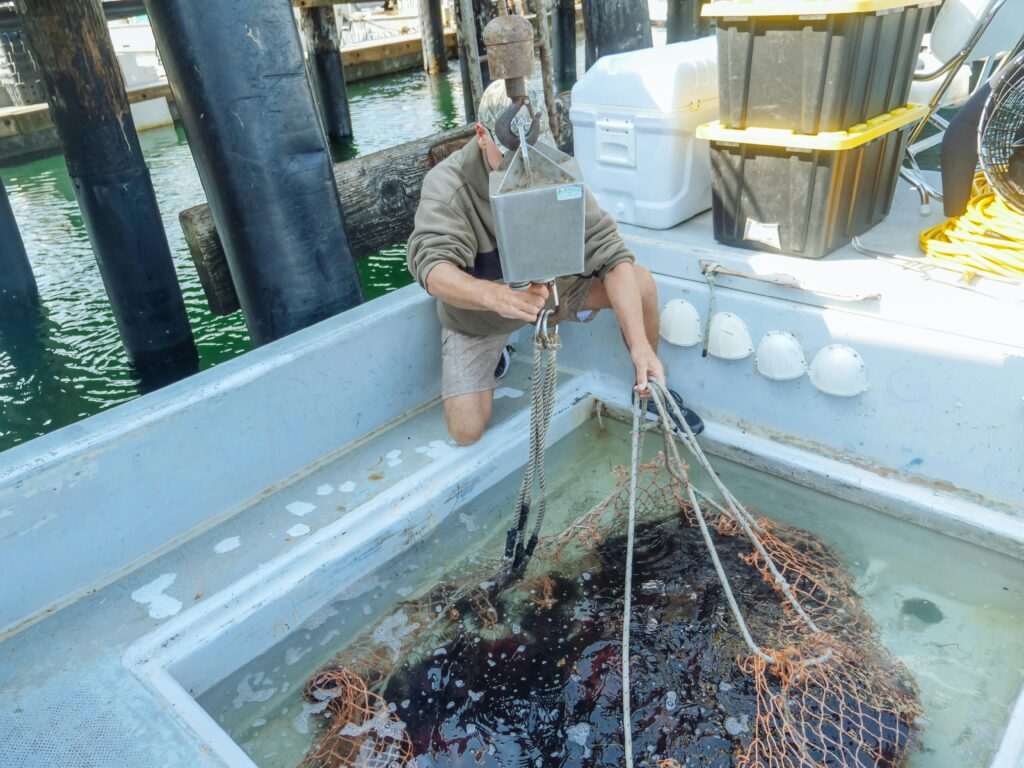
Virtually all Homer charter operators work with local fish processors on the spit who can fillet, vacuum-pack, and freeze your catch for shipment home the same day. The typical processing cost runs $0.75–$1.25 per pound of finished fillets. Shipping a cooler of frozen fillets home via Alaska Airlines cargo or checked luggage is straightforward: a standard 50-pound cooler ships for $75–$150 depending on destination. The practical result is that halibut caught Monday morning can be in your home freezer Wednesday. Many anglers report that the fish they ship home from Homer is the best halibut they have eaten all year — because it is.
Choosing an Operator
All legitimate commercial charter operators in Alaska are required to hold a U.S. Coast Guard operator’s license (the “six-pack” license for boats carrying up to six passengers) and carry valid liability insurance. Ask for documentation of both before booking. Online reviews on fishing-specific platforms give more reliable signal than general travel sites; look for operators with consistent reports of fish-finding ability, maintained equipment, and honest reporting of conditions. Saltwater Excursions Alaska and operators like Drill Team Six Fishing Excursions represent the caliber of licensed, professionally operated charters available in the region. Boat size matters for comfort in rough water; larger vessels (30–40 feet) handle Gulf conditions significantly better than smaller boats.
Budget Planning
A full-day shared halibut charter in Homer runs $250–$350 per person, including gear and bait. Private charters for a group of four to six run $1,200–$2,000 for the boat. Alaska sport fishing requires a state fishing license ($25/day or $145/annual for non-residents) plus a halibut stamp ($20) purchased through the Alaska Department of Fish and Game — these are separate from charter fees. Add processing ($50–$100 for an average catch) and shipping ($100–$150), and a complete day including getting your fish home typically runs $450–$650 per person on a shared charter. Against the cost of buying equivalent premium halibut at a mainland fish market — if you could find it — the economics of catching your own in Homer are surprisingly favorable. Anglers who fish Ship Creek in Anchorage before or after the Homer trip add salmon to the haul at minimal incremental cost.
Photo: Kindel Media / Pexels

No comments yet.