
Helicopter Tours & Flightseeing from Anchorage 2026 — Glaciers, Denali & Fly-Outs
Alaska has 586,000 square miles of land, most of it unreachable by road. The state’s glaciers cover roughly 34,000 square miles — more glacier-covered terrain than all other U.S. states combined. Its coastline is longer than the entire contiguous United States. To actually see Alaska — not just the edges visible from the highway — you have to get airborne.
Flightseeing from Anchorage means landing on glaciers at 7,200 feet, circling Denali while ice fields sprawl in every direction, dropping onto remote beaches to photograph brown bears, and flying into wilderness lakes that see fewer visitors each year than a busy airport gate sees in an hour. This guide covers every category of aerial adventure available from Anchorage in 2026, with pricing, operators, and what to book first.
Helicopter Glacier Tours
Knik Glacier Helicopter Tours
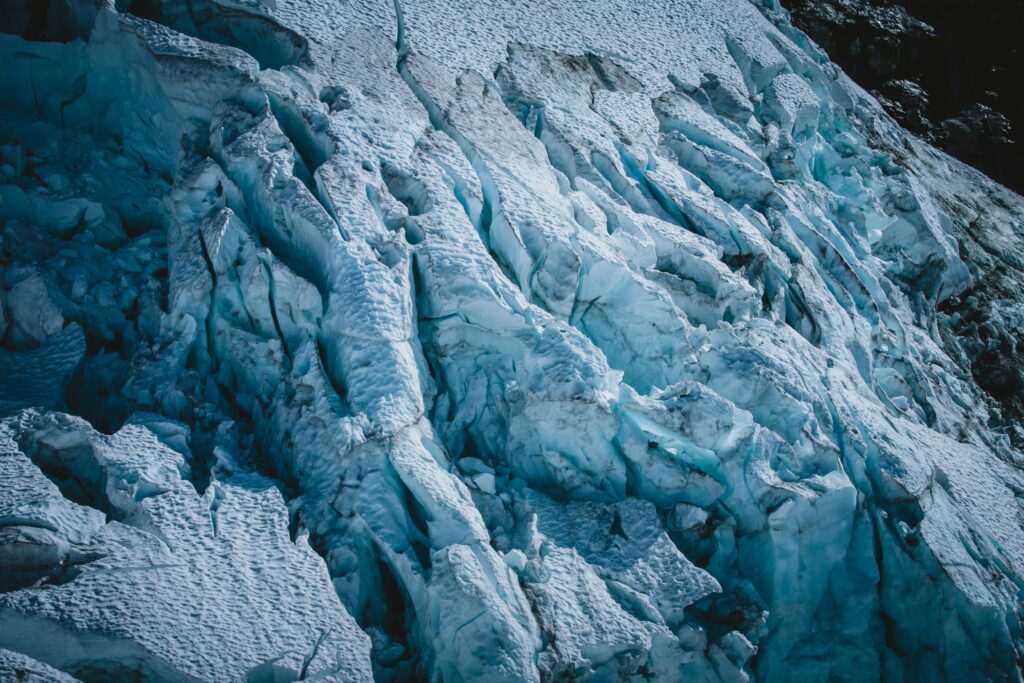
The most accessible glacier helicopter experience from Anchorage. Knik Glacier sits 45 minutes northeast of the city, and helicopter tours from Palmer land directly on the ice for a guided glacier walk. The typical experience is 30 minutes of flight plus 30–45 minutes on the glacier — crevasse fields, ice caves, meltwater pools, and the eerie blue light of compressed glacial ice.
Pricing runs $299–$399 per person depending on tour duration. Weight limits typically apply at 250–300 lbs per passenger. This is the right choice for first-timers who want a dramatic glacier experience without a full day commitment.
Era Helicopters
Era operates both Knik and Matanuska glacier options with longer tour variants that include ice cave exploration. Based in the Anchorage area, Era is one of the most established operators on the circuit. Extended tours with a naturalist guide are available for groups willing to spend more time on the ice. Book directly through Era for the most flexibility on dates and configurations.
Alpine Air Alaska — Girdwood
Alpine Air operates from Girdwood (45 minutes south of Anchorage near Chugach State Park), making it a natural pairing with a day at Alyeska Resort. Glacier tours reach the Chugach icefields above Girdwood, with combo options that include a skiing or hiking stop. This is the more scenic approach from the south — the flight over the Chugach Range to the glacier edge is itself worth the trip.
Denali Flightseeing — Fixed Wing
K2 Aviation (Talkeetna)
The gold standard for Denali flightseeing. Talkeetna is 2.5 hours north of Anchorage, but the journey is worth it. K2 Aviation runs glacier landings on the Kahiltna Glacier at 7,200 feet — the same approach used by mountaineering expeditions on Denali’s south face. From that altitude, the scale of the Alaska Range becomes comprehensible in a way it simply isn’t from the ground. Pricing runs $350–$600 per person depending on route length and glacier landing inclusion.
Talkeetna Air Taxi
A Talkeetna institution running the classic flightseeing circuit around Denali’s south face and Ruth Glacier. No glacier landing option, but the flight covers more terrain and includes views of the entire Alaska Range from Denali to Foraker to Hunter. Pricing is $275–$450 per person. Book the early-morning departure for the best light and lowest turbulence.
Regal Air (Anchorage)
For a Denali overflight without the Talkeetna drive, Regal Air departs from Merrill Field in Anchorage and flies a 2-hour circuit over the Alaska Range. No glacier landing, but the departure from Anchorage is convenient and the views of Cook Inlet transitioning to the Interior are their own reward. Pricing around $350 per person.
Bear Viewing Fly-Outs
Alaska’s most famous wildlife spectacle — brown bears fishing for salmon — happens at remote rivers and coastal beaches that no road reaches. Flying in is the only option, and for many visitors this becomes the defining experience of their Alaska trip.
Rust’s Flying Service — Katmai Fly-Outs
Rust’s Flying Service runs day trips from Anchorage to Brooks Falls in Katmai National Park — the most famous bear viewing location on the planet. In July, a dozen or more brown bears stand in the falls simultaneously, snatching sockeye salmon mid-leap. Pricing runs $800–$900 per person all-inclusive with the flight, park entrance, and viewing time. Book in January for July trips — this is the most-sought-after wildlife experience in Alaska and it sells out early.
Lake Clark Coastal Bear Viewing
An alternative to Brooks Falls, Lake Clark fly-outs land on remote Pacific coastline beaches where coastal brown bears graze on sedge grass in early summer. The bears are large and often unconcerned with human presence at safe distances. The 45-minute flight each way from Anchorage adds to the adventure. Operators include Rust’s Flying Service and several Lake Clark specialists. Pricing varies by group size and season.
For visitors who prefer wildlife viewing without a flight, the Alaska Wildlife Conservation Center south of Anchorage offers bear and wildlife viewing at road level.
Fly-Out Fishing
Some of Alaska’s best trophy fishing lakes — rainbow trout runs, arctic grayling, lake trout — are accessible only by floatplane. Lake Hood Seaplane Base in Anchorage (the world’s busiest seaplane base, next to Ted Stevens Airport) is the departure point for most fly-out fishing packages. Half-day and full-day options are available, ranging from $500–$1,200 per person depending on the destination and species targeted.
Operators including Rust’s Flying Service and Regal Air offer customized fly-out fishing packages. Alaska Photo Treks also operates wilderness packages that combine photography and fishing on remote fly-in lakes.
Practical Booking Tips
- Weight limits: Most small aircraft and helicopters enforce passenger weight limits of 250–300 lbs. Contact operators in advance — some can accommodate larger passengers with adjusted seating or charter configurations.
- Weather cancellations: Alaska weather is unpredictable. Fog and low clouds cancel flights regularly, especially in coastal areas. Always allow extra days in your itinerary for weather delays, and buy travel insurance that covers activity cancellations.
- Book bear viewing in January: July Brooks Falls trips fill months in advance. If bear viewing is your priority, book the moment operators open their calendars — usually in November or January for the following summer.
- Lake Hood is worth a visit: Even if you’re not flying, Lake Hood Seaplane Base is free to observe. Watching floatplanes take off and land on a busy summer day gives a sense of how essential aviation is to daily Alaska life.
- Early departures: Morning flights generally have smoother air, better visibility, and more favorable light for photography. Most operators offer first-light departures for this reason.
Frequently Asked Questions
How far in advance should I book Anchorage helicopter and flightseeing tours?
For summer glacier tours, 2–4 weeks is usually sufficient for most operators. For Katmai bear viewing fly-outs in July, book 3–6 months in advance — these sell out in January for peak season. Denali flightseeing from Talkeetna is more flexible but benefits from 1–2 weeks advance booking during peak season.
What is the best time of year for flightseeing from Anchorage?
Late May through early September offers the best weather and visibility. Late June to mid-July combines long daylight hours (up to 19 hours) with snow-covered peaks and active salmon runs for bear viewing. September brings autumn color on the tundra, which makes aerial photography spectacular.
Are there age or physical requirements for helicopter glacier tours?
Most helicopter glacier tours allow children of any age, though some operators set minimum ages of 3–5 for glacier walks. The flights themselves are smooth and accessible. The glacier surface requires walking on uneven ice — sturdy shoes or boots are recommended, and operators typically provide crampons.
How long does a Denali flightseeing trip take from Anchorage?
If flying from Anchorage with Regal Air, the circuit takes about 2 hours total. If driving to Talkeetna (2.5 hours) for K2 Aviation or Talkeetna Air Taxi, plan a full day — the drive plus 1.5–3 hours of flying plus return. Most visitors consider this a standalone day and plan nothing else.
What should I bring on a flightseeing tour?
Dress in warm layers — temperatures drop significantly at altitude and on glaciers regardless of the surface weather. Bring a camera with a lens that can shoot through airplane windows cleanly (avoid polarizing filters on glass). Sunglasses are essential on bright glacier days. Snacks for longer tours, and motion sickness medication if you’re susceptible to small aircraft movement.
Featured photo by Lloyd Douglas on Pexels.

No comments yet.